As an Amazon Associate, we earn from qualifying purchases. Some links on this site are affiliate links at no extra cost to you. Our recommendations are based on thorough research and editorial judgment.


Comfort Height Vs Standard: Who Benefits Most?

Comfort height toilets, typically measuring 17 to 19 inches, greatly benefit taller individuals and those with mobility challenges, as they reduce strain during use. These toilets conform to ADA standards, ensuring necessary accessibility for older adults, while standard height toilets range from 14-1/2 to 16 inches, accommodating children and shorter users. Each option presents distinct advantages, leading to varied user experiences based on specific needs, preferences, and physical capabilities. Discover more insights on making the best choice for your bathroom.
Key Takeaways
- Comfort height toilets benefit taller individuals, providing a more ergonomic seating position for improved comfort and posture.
- Older adults and those with mobility issues find comfort height toilets easier to use, reducing strain when sitting and standing.
- Standard height toilets are ideal for children and shorter users who may struggle with taller models.
- Comfort height toilets comply with ADA standards, promoting safety and accessibility for individuals with disabilities.
- Budget-conscious consumers may prefer standard toilets due to their lower cost, though comfort height options offer long-term usability benefits.
Understanding Toilet Heights
When considering toilet heights, it is essential to understand the functional differences between standard and comfort height models, as each serves specific user needs and preferences. Standard height toilets typically range from 14-1/2 to 16 inches, making them suitable for children and shorter individuals, thereby promoting easier access. In contrast, comfort height toilets, which stand at 17 to 19 inches, are designed for taller individuals and those facing mobility issues, aligning closely with the height of standard chairs. This ergonomic design not only provides a more comfortable seating experience but also aids in getting on and off the toilet more easily. Additionally, comfort height toilets comply with ADA requirements, making them an ideal choice for enhanced bathroom accessibility for users of varied physical abilities. For an upgrade that offers both style and functionality, consider soft close toilet seats to enhance your bathroom experience with noise control and safety features.
Who Benefits From a Comfort-Height Toilet?

Many individuals find significant advantages in using comfort-height toilets, particularly those whose physical requirements necessitate a more accessible design. Comfort-height toilets, measuring between 17 to 19 inches, are ideal for older adults and those with mobility issues, as they reduce the strain associated with sitting down and standing up. Taller individuals appreciate that these toilets enhance their sitting posture, offering a more comfortable experience. Adherence to ADA standards guarantees these models are suitable for individuals with disabilities, improving overall bathroom accessibility. Users recovering from surgery or those suffering from joint pain benefit from the elevated design, which facilitates easier movement. Families with varying heights also find comfort-height toilets accommodate diverse needs, assuring usability for every member. Additionally, toilet safety rails can be an essential aid for seniors and individuals with limited mobility, enhancing safety and independence in the bathroom environment.
Pros and Cons of Standard Height Toilets

Standard height toilets, typically ranging from 14-1/2 to 16 inches from the floor to the seat, present a variety of advantages and disadvantages that cater to specific user needs. They are particularly suitable for children and shorter users, as the lower height can make sitting down easier. Additionally, standard height toilets tend to be lighter and more compact, making installation simpler and ideal for smaller bathrooms. In addition, these models are generally more cost-effective, attracting budget-conscious consumers. However, accessibility challenges arise for taller individuals and those with mobility issues since the inclination to sit lower may cause discomfort. Moreover, some studies suggest that this lower height may help prevent constipation by facilitating easier bowel movements. The compact designs of certain pedestal sinks, like the Fine Fixtures Roosevelt, also cater to limited spaces, complementing the efficiency of standard height toilets.
Recommended Products
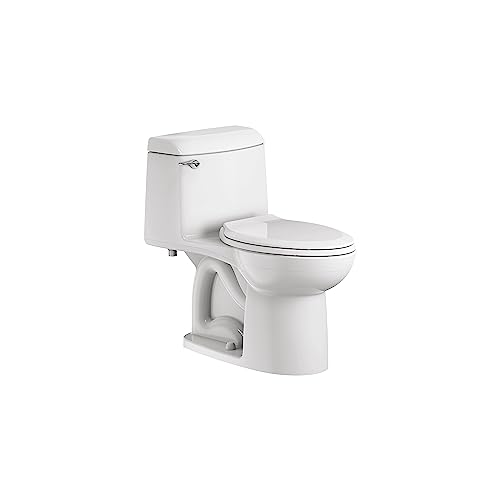
INDUSTRY-LEADING POWER: Equipped with a large 4-in. flush valve (102 mm) and 2-3/8-in. (60 mm) fully-glazed trapway this one-piece toilet is virtually clog-free EASY-CLEAN...
Pros and Cons of Comfort Height Toilets

Although comfort height toilets are designed with enhanced accessibility in mind, they offer a range of benefits and considerations that can greatly impact user experience. Typically measuring between 17 to 19 inches, these toilets facilitate easier use for taller individuals and those with mobility issues. They comply with ADA standards, promoting safety for elderly users and individuals with physical disabilities by reducing strain on knees and backs. Additionally, comfort-height toilets often minimize the need for toilet risers, thereby simplifying bathroom modifications. However, they may come at a slightly higher price point compared to standard height toilets. Despite the cost, the long-term usability benefits make them a valuable investment, particularly for households accommodating diverse mobility needs. For enhancing bathroom experience, incorporating toilet step stools for both kids and adults can further improve accessibility and comfort.
Factors to Consider When Choosing a Toilet Height

When choosing a toilet height, several factors must be considered to ascertain the selected model meets the needs of all household members. Standard height toilets typically range from 14-1/2 to 16 inches, providing accessibility for children and shorter users. In contrast, comfort height toilets measure between 17 to 19 inches and cater to taller individuals and those with mobility challenges. Choosing the right toilet height greatly enhances user comfort and reduces strain on the back and knees during sitting and standing. Additionally, families should account for the physical needs of elderly individuals and people with disabilities, as comfort height toilets comply with ADA standards. Measuring the distance from the floor to the seat ensures the optimum fit, promoting a restful seating posture. Elongated toilet seats are designed specifically for elongated toilet bowls, offering a more comfortable seating experience for users with diverse needs.
Recommended Products
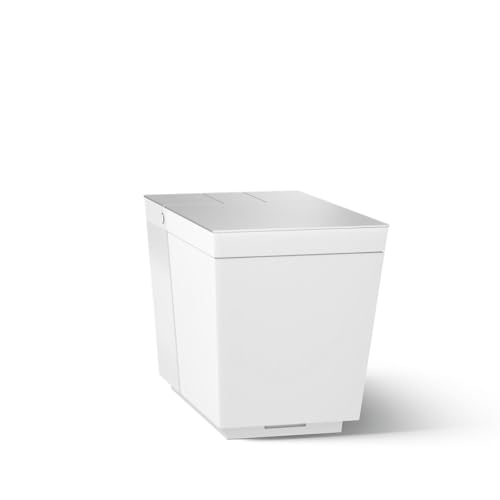
Compact, streamlined one-piece smart bidet toilet with integrated personal cleansing. Elongated bowl offers added room and comfort
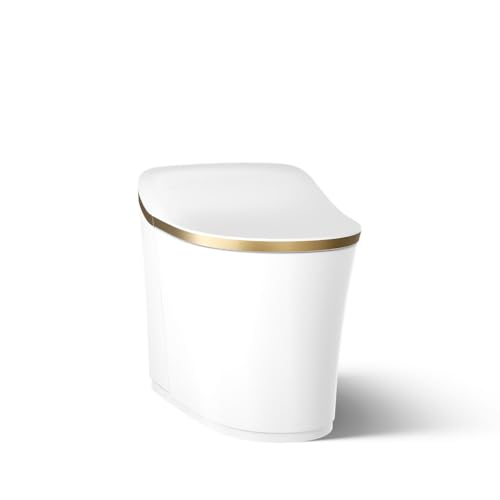
Compact, streamlined one-piece smart toilet with integrated personal cleansing; a bidet toilet seat and elongated bowl offer added room and comfort

Compact, streamlined one-piece smart toilet with bidet built in for integrated personal cleansing; elongated bowl offers added room and comfort
Comfort-Height Toilet Cost vs. Standard Toilets
The cost of comfort-height toilets often reflects their increased design specifications and accessibility features, which are becoming more favorable among consumers. On average, comfort-height toilet cost aligns closely with that of standard toilets, offering various styles and price ranges to suit various budgets. Both types generally share similar professional installation fees, making the overall expenditure of upgrading to a comfort-height toilet relatively easy to manage for most homeowners. While comfort-height models usually come with enhanced user experience features—such as sturdier materials and better ergonomics—they remain accessible for individuals seeking affordability. Homeowners often find quality options near them that accommodate their needs without greatly inflating costs, providing a practical balance between comfort and expenditure. Additionally, WaterSense certified models are available in both comfort-height and standard toilets, promoting water efficiency and environmental responsibility.
Should You Upgrade to a Comfort-Height Toilet?
Is upgrading to a comfort-height toilet worth considering for households with varying needs? These toilets, standing at 17 to 19 inches in height, offer significant accessibility advantages, particularly for older adults or those with mobility challenges. They reduce the strain associated with sitting and standing, making them easier to use. Additionally, comfort-height toilets comply with ADA standards, promoting safety and inclusivity, ideal for homes with diverse family members, including children and seniors. Although they typically come with a higher initial cost, the investment enhances user experience and contributes to better posture. For those seeking a universally approachable bathroom experience, a comfort-height toilet serves as a sensible, long-term solution that effectively balances comfort and accessibility. Moreover, pairing a comfort-height toilet with durable materials like aluminum or stainless steel grab bars can further enhance bathroom safety and stability.
Why Choose Davis Plumbing & Heating, Inc
For homeowners in Riverside County seeking reliable plumbing services, choosing Davis Plumbing & Heating, Inc. guarantees access to a wealth of knowledge and expertise specifically tailored to toilet installations. Specializing in both comfort-height and standard toilets, the company facilitates seamless toilet replacements, ensuring precise installations that minimize potential leaks and plumbing problems. Their extensive experience covers regions including Riverside, Menifee, and Perris, resulting in timely service that meets the community’s specific needs. Additionally, customers can expect friendly interactions from skilled professionals who prioritize transparent communication about costs prior to commencing any work. By focusing on bathroom safety and comfort, Davis Plumbing & Heating, Inc. emerges as a trustworthy choice for homeowners contemplating upgrades, particularly when considering the benefits of professional installation.
Frequently Asked Questions
Should I Get a Standard or Comfort Height Toilet?
Maneuvering the waters of toilet height considerations can be nuanced. Personal preference factors and specific accessibility needs play essential roles; ultimately, choosing between standard and comfort height toilets depends on individual comfort levels and household dynamics.
What Are the Disadvantages of a Comfort Height Toilet?
Comfort height drawbacks include potential discomfort for users accustomed to standard toilets, installation challenges for DIY enthusiasts due to larger dimensions, and accessibility issues for shorter individuals, leading to varied user preferences.
What Is the Healthiest Height for a Toilet?
The healthiest toilet height, symbolizing comfort and ease, ranges from 17 to 19 inches. This ergonomically designed elevation considers user accessibility needs, ultimately fostering well-being by minimizing strain and enhancing functional movement during use.
What Are the Benefits of a Comfort Height Toilet?
A comfort height toilet offers ergonomic design that enhances user comfort and promotes accessibility benefits, particularly for individuals with mobility challenges. Its increased height supports better posture, reducing strain on the body during use.


