As an Amazon Associate, we earn from qualifying purchases. Some links on this site are affiliate links at no extra cost to you. Our recommendations are based on thorough research and editorial judgment.


Preventing Wobble: Flanges, Shims, and Anchoring

To prevent toilet wobble, secure flanges should be installed, ensuring they are level and properly anchored. Using plastic shims can help stabilize uneven surfaces, providing a solid base for the toilet. Standard T-bolts, which secure the toilet to the flange, must be tightened without over-torquing to prevent damage. Additionally, applying caulk around the base not only enhances stability but also helps prevent moisture from seeping underneath. For more advanced solutions and installation tips, other options are available.
Key Takeaways
- Ensure proper installation of flange bolts to secure the toilet base and prevent wobbling.
- Use plastic shims to level the toilet on uneven floors, enhancing stability.
- Regularly inspect and tighten any loose T-bolts to maintain a secure connection.
- Replace deteriorated wax rings to eliminate gaps that cause leaks and instability.
- Caulk around the base after repairs to provide additional stability and moisture protection.
Understanding the Importance of a Stable Toilet
Toilets require a solid foundation to function effectively, as a stable toilet minimizes the risk of leaks and water damage, which can lead to expensive repairs and structural issues within the bathroom. Instability often indicates problems like loose T-bolts or uneven flooring, necessitating prompt attention. A wobbly toilet not only risks leaks but can also lead to mold and mildew growth, adversely affecting indoor air quality and household health. Regular inspections of the toilet’s stability are vital; these checks can prevent safety hazards and enhance user comfort. Utilizing flanges, shims, and proper anchoring techniques during installation guarantees long-term durability, making maintenance a simpler and more effective task for homeowners, ultimately safeguarding their investment in bathroom fixtures. Most toilet repair kits are designed for user-friendly installation, allowing homeowners to address stability issues easily without needing professional help.
Consequences of a Loose Toilet

The consequences of a loose toilet can greatly affect both the integrity of a bathroom environment and the health of its occupants. A wobbly toilet can lead to water leaks around its base, which may cause significant floor damage and deterioration over time. Furthermore, unstable toilets often promote the growth of mold and mildew, adversely impacting indoor air quality and overall health. Additionally, the presence of a loose toilet increases the risk of accidents, as users may experience fractures or injuries during use. Addressing this issue promptly is essential for preventing repair costs related to water damage and structural problems that may arise, ultimately highlighting the importance of secure flange bolts and quick fixes to maintain toilet stability. Ensuring proper installation of toilet components, such as flush valves, is crucial for preventing future leaks and maintaining overall functionality.
Recommended Products

Premium solid brass construction

Kit Includes: QWall-5 Backwalls and Single Threshold SlimLine Base; Kit Size: 30 in. D x 60 in. W x 76 3/4 in. H; Drain Location: Center; Color: White

UNIQUE FINISH: Oil-Rubbed Bronze finish delivers a rich, dark brown, Old World finish with striking light and dark accents
Identifying Signs of a Wobbly Toilet

Signs of a wobbly toilet can often be subtle at first, requiring careful observation to identify underlying issues before they escalate. A toilet that rocks on its base may indicate loose or improperly secured T-bolts, necessitating the use of shims for stabilization. Additionally, pooling water around the toilet base is a strong indication of leaks, often originating from a compromised wax seal. Homeowners should also be alert for unusual noises during flushing or continuous running water, which may point to further problems related to instability. Regular inspections for moisture and visible cracks in the toilet base can help detect wobbly issues early, ensuring prompt attention to avert potential damage and maintain ideal toilet functionality. To ensure a leak-free bathroom experience, consider using extra thick toilet wax rings which provide robust, long-lasting connections preventing leaks and odors.
Recommended Products
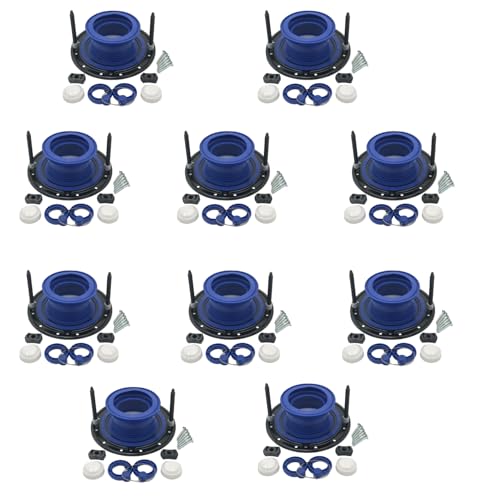
Save Time & Money | No wax ring for toilet required. The One N Done toilet flange repair kit fits over a broken toilet flange (or low toilet flange) and toilet screws attach through toilet flange openings. Universal Toilet Repair Kit for flanges 1/8 Inch ABOVE the floor to 1 ½ inches BELOW. Toilet flange repair kit seals ALL flange depths with one toilet gasket. Easy toilet flange repair ring and wax free toilet seal kit is the ultimate toilet gasket replacement kit.

No Guess / Mess | Eliminate leaky wax toilet ring seal with the One n Done toilet seal that self-adjusts to ANY toilet flange depth. No toilet flange extension kit, toilet spacer, wax ring for toilet, toilet flange reamer, or additional sealants required. The toilet seal ring grips the bottom (horn) of the toilet for the ultimate toilet sealer around toilet base. For a perfect seal that is much better than wax toilet seal.

#5 toilet bowl wax gasket for floor mount toilets
Diagnosing the Root Cause and Fixing Methods

Diagnosing the root cause of a wobbly toilet requires methodical investigation, as multiple factors can contribute to this common household problem. Often, loose T-bolts securing the toilet base can lead to instability; these can typically be tightened with an adjustable wrench. Additionally, uneven bathroom floors may cause a rocking toilet, making the insertion of small plastic shims necessary to create a steady installation. Moreover, if the wax ring, which seals the toilet to the flange, has deteriorated, it may create gaps, leading to leaks and wobbling. Finally, a cracked toilet base should be evaluated, as it may compromise stability and cause further issues if left unaddressed. Thorough diagnosis is essential for future stability and effectiveness in repairs. For enhanced efficiency and performance, using modern toilet fill valves like those from top brands can also contribute to a stable toilet system.
Recommended Products

HIGH QUALITY- Fine Fixtures bathtub is constructed of acrylic material with fiberglass reinforcement, glossy porcelain finish, won't crop or crack, also safe against salts and oils.

SLEEK BUILT-IN BATHTUB: Modern built-in tub made from durable acrylic and fiberglass. Recessed design ensures stable installation and resists cracking, chipping, and damage from salts and oils.

SLEEK BUILT-IN BATHTUB: Modern built-in tub made from durable acrylic and fiberglass. Recessed design ensures stable installation and resists cracking, chipping, and damage from salts and oils.
Steps to Fix a Wobbly Toilet

Addressing a wobbly toilet involves several methodical steps that can restore stability and prevent further complications. First, inspect and tighten the flange bolts at the base, ensuring not to over-torque and crack the porcelain. If gaps are present, insert plastic shims beneath the toilet to level the toilet effectively, providing a stable foundation. After the shims are properly placed, use a utility knife to trim them close to the toilet base for a clean appearance. Once adjusted, apply caulk around the base to secure the shims and prevent water damage. This caulk should be smoothed out for a neat finish. Regular inspections around the base for moisture and leaks can help catch potential issues early, preventing costly repairs. Additionally, adjustable height options on toilet seat risers can further enhance stability and user comfort, especially for those with mobility challenges.
Recommended Products

LEVELING FOR HOME IMPROVEMENTS: These versatile plastic wedges are ideal for stabilizing uneven furniture, tables, and shelves. Use them to correct tilted furniture and ensure your home fixtures stay level and sturdy.

【Size】Fits a nominal standard 6"x 6" post (actual 5.5"x 5.5" dry post on market). Quantity: 4 Pack. Make sure the outer dimensions of your Post or Post+Sleeve is equal or less than 5.5" X 5.5" ( =< 140mm X 140mm). ★ Sanding / trimming may be required depending on post type and minor size discrepancies.★ POST HEIGHT LIMIT: 96" (8 feet) ★ NOT suitable for ROOF support.

No Guess / Mess | Eliminate leaky wax toilet ring seal with the One n Done toilet seal that self-adjusts to ANY toilet flange depth. No toilet flange extension kit, toilet spacer, wax ring for toilet, toilet flange reamer, or additional sealants required. The toilet seal ring grips the bottom (horn) of the toilet for the ultimate toilet sealer around toilet base. For a perfect seal that is much better than wax toilet seal.
Upgrading to Modern Solutions: HOROW Toilets
For homeowners seeking to eliminate persistent issues like wobbling toilets, upgrading to modern solutions such as HOROW toilets presents a compelling option. These toilets, like the HOROW T37, T38, and T32 models, feature innovative installation methods that promote a stable base, considerably reducing the likelihood of wobbling. The advanced materials used in HOROW toilets enhance durability, ensuring long-lasting performance and minimizing risks of leaks commonly associated with unstable installations. Additionally, the installation process often requires fewer adjustments and repairs compared to traditional toilets, lowering both time and maintenance costs. By investing in a modern HOROW toilet, homeowners can not only improve bathroom aesthetics and functionality but also increase their home’s overall value with reliable, stylish solutions. One key advantage of modern toilets is the pressure balancing features that enhance user experience by maintaining stable water temperatures.
Frequently Asked Questions
Can Shims Fix a Wobbly Toilet?
Shims effectively enhance toilet stability solutions, addressing wobbly toilets through various shim material types. Appropriate toilet leveling methods and flange adjustment techniques, combined with plumbing repair tips and bathroom renovation advice, guarantee secure installation and prevent future issues.
How to Stop a Toilet From Rocking Back and Forth?
To stop a toilet from rocking, one must embrace secure toilet installation tips, consider diverse bathroom flooring options, and heed plumbing maintenance advice—aiming to conquer common toilet issues by properly securing fixtures in place. Irony may ensue.
How to Shim a Toilet Flange?
To shim a toilet flange, guarantee proper flange height adjustments using suitable shim material options. Avoid common shim mistakes by utilizing the right tools, and consider flange replacement procedures if adjustments fail to stabilize the toilet.
Do Offset Toilet Flanges Cause Problems?
Offset toilet flanges often lead to plumbing alignment troubles, creating offset flange issues during installation. Without proper toilet support methods, leveling surfaces becomes vital. Flange replacement solutions and careful installation tips can mitigate these common risks.


