As an Amazon Associate, we earn from qualifying purchases. Some links on this site are affiliate links at no extra cost to you. Our recommendations are based on thorough research and editorial judgment.


Comfortable Vanity Heights and Clearances Explained

Comfortable vanity heights typically range from 30 to 36 inches, with standard options catering to individuals between 5’4″ and 6’0″. Taller users benefit from heights of 34 to 36 inches, while those under 5’4″ may prefer 30-inch or 32-inch vanities. Important clearances include 5 to 10 inches below mirrors for ideal use. Accessibility standards dictate a maximum height of 34 inches for ADA compliance. Exploring various sink styles can further influence the best choices for personal needs and preferences.
Key Takeaways
- Standard bathroom vanity heights range from 30 to 36 inches, accommodating various user preferences and physical needs.
- Comfort height vanities, typically 34 to 36 inches, are ideal for taller individuals and promote ergonomic use.
- ADA-compliant vanities must not exceed 34 inches in height, ensuring accessibility for wheelchair users and those with mobility challenges.
- Clearances of 5 to 10 inches below mirrors enhance comfort and usability, allowing users to see themselves easily.
- Sink styles significantly impact vanity height; vessel sinks require lower heights (30-32 inches) compared to undermount sinks (34-36 inches).
Understanding Standard Vanity Heights
Understanding standard vanity heights is important for creating a functional and comfortable bathroom space. Standard bathroom vanity heights typically range from 30 to 34 inches, accommodating shorter individuals and children. However, comfort height vanities, which measure between 34 and 36 inches, align more closely with kitchen counter heights, making them preferred by taller individuals. The average height of modern vanities has now shifted to approximately 36 inches, enabling a broader range of usability. For ADA compliance, it is vital that the height of the vanity does not exceed 34 inches, allowing necessary knee clearance for wheelchair users. Additionally, vessel sinks often require lower vanities, approximately 31 inches, to guarantee comfortable usability while maintaining stylish bathroom design. Pedestal sinks, such as the DeerValley Ally U-Shape, offer compact designs ideal for small spaces while maintaining style and functionality.
Recommended Products

SLIM PROFILE FOR SMALL SPACES: This 36 inch bathroom vanity with sink features an 18 inch shallow depth design, perfect for narrow powder rooms and small bathrooms where space is a premium. Maximize your floor area without compromising on high-end modern style and function.

【Premium Vanity Construction】 The Hepburn 66-inch bathroom vanity crafted from premium solid hardwood and plywood for superior strength and durability. Ariel White 66" bathroom vanity with sink provides a longer lifespan than MDF or particle board cabinets and resists moisture, warping, cracking, and paint peeling. A Sherwin-Williams PU coating delivers a durable finish that withstands daily wear and tear. Hidden leveling feet deliver a stable, wobble-free fit on uneven floors.

Faucet not included
Importance of User Height in Vanity Selection

How does user height impact the selection of a bathroom vanity? User height plays a vital role in determining the appropriate vanity height, as standard heights typically accommodate individuals between 5’4″ and 6’0″. For taller users, comfort height vanities, which range from 34 to 36 inches, enhance ergonomic comfort by minimizing the need to bend while performing grooming tasks. Conversely, individuals under 5’4″ may find 30-inch or 32-inch vanities more accessible and comfortable. Households with diverse heights should prioritize the most common user to achieve usability for all family members. In addition, the Americans with Disabilities Act (ADA) recommends a maximum vanity height of 34 inches, emphasizing the importance of accessibility in bathroom designs. Non-slip designs are crucial for bathroom safety, ensuring stability in wet environments and reducing the risk of accidents.
Recommended Products

Spacious Double Sink Design: This double sink bathroom vanity, with an integrated ceramic sink, is not only beautiful, but also easy to clean. The double sink design can meet the needs of many people at the same time, whether it is a rush in the morning or daily washing, it can calmly cope with and improve life efficiency.

EASY ENTRY SECURITY: Low entry threshold and built-in Safe Reach grab bar reduce stepping height and offer stable support for secure transitions. Slip-resistant textured flooring enhances footing to help minimize falls during bathing routines.
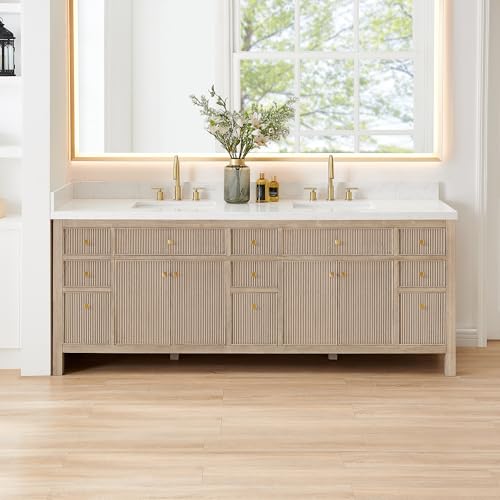
Durable Materials: Constructed of high-quality, solid wood and plywood, ensuring sturdiness and longevity.
Evaluating Current Vanity Height and Space Considerations

Evaluating the current vanity height and space considerations in a bathroom requires a careful assessment of existing conditions, from the physical dimensions of the vanity to the surrounding area. Standard vanity height typically ranges from 30 to 36 inches, accommodating average user comfort. Taller individuals may benefit from heights closer to 34 or 36 inches, enhancing ergonomics. Additionally, maintaining a clearance of 5 to 10 inches below the mirror is essential for user experience, ensuring comfortable access. Existing plumbing should also be evaluated, as modifications can be costly if misaligned with the current vanity height. Overall design must incorporate ample bathroom space around the vanity for efficient workflow, particularly in relation to doors, drawers, and fixtures for ease of use. It’s also important to consider the energy-efficient bulbs you use in your bathroom lighting, as these can significantly reduce electricity usage while providing ample illumination.
Sink Styles and Their Impact on Vanity Height

Various sink styles considerably impact the appropriate height of a bathroom vanity, with each design requiring specific adjustments to optimize user experience. Vessel sinks, which sit atop the counter, typically necessitate a lower vanity height of around 30 to 32 inches to maintain a comfortable height. In contrast, undermount sinks are installed beneath the countertop, allowing for taller vanities between 34 to 36 inches, which can accommodate taller users. Tabletop sinks function similarly to vessel sinks and also demand lower vanity heights, ideally around 31 inches. Additionally, for accessible design, particularly in ADA-compliant projects, sink depth should not exceed 6.5 inches, ensuring comfortable usability while considering the plumbing layout and overall height alignments. Many modern bathroom designs now incorporate non-slip surfaces to enhance safety, which is an essential consideration for ensuring a functional and secure environment.
Recommended Products
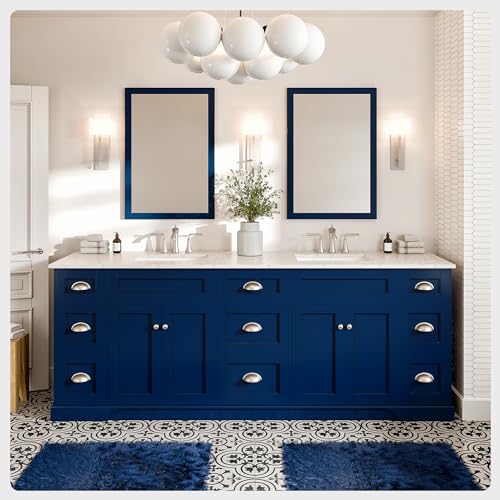
Contemporary bathroom decor: The 213.4 cm blue bathroom vanity by Eviva encapsulates the essence of modern bathroom decoration. This bathroom vanity unit embodies a harmonious blend of avant-garde design and practical utility.

【Premium Vanity Construction】 The Cambridge 66-inch bathroom vanity crafted from premium solid hardwood and plywood for superior strength and durability. Ariel White 66" bathroom vanity with sink provides a longer lifespan than MDF or particle board cabinets and resists moisture, warping, cracking, and paint peeling. A Sherwin-Williams PU coating delivers a durable finish that withstands daily wear and tear. Hidden leveling feet deliver a stable, wobble-free fit on uneven floors.

【Premium Vanity Construction】 The Hepburn 66-inch bathroom vanity crafted from premium solid hardwood and plywood for superior strength and durability. Ariel White 66" bathroom vanity with sink provides a longer lifespan than MDF or particle board cabinets and resists moisture, warping, cracking, and paint peeling. A Sherwin-Williams PU coating delivers a durable finish that withstands daily wear and tear. Hidden leveling feet deliver a stable, wobble-free fit on uneven floors.
Customizing Vanity Heights for Unique Needs

What factors contribute to the necessity of customizing vanity heights in a bathroom? Custom height vanities accommodate individual needs, particularly for taller users or those with specific ergonomic requirements. Standard vanity height typically measures 30 to 36 inches, but the ideal customized vanity height may differ to enhance comfort and accessibility based on elbow-bend positions. Households featuring children benefit from lowered vanity heights or pull-out step drawers that facilitate easier access. Additionally, unique plumbing and electrical layout challenges can require tailored solutions, allowing for maximum utilization of space. To achieve ADA compliance, a maximum vanity cabinet height of 34 inches and adequate knee clearance guarantees improved accessibility for wheelchair users, creating a more inclusive bathroom experience. Incorporating rustproof materials like stainless steel ensures durability and longevity, especially in moist bathroom environments.
Recommended Products
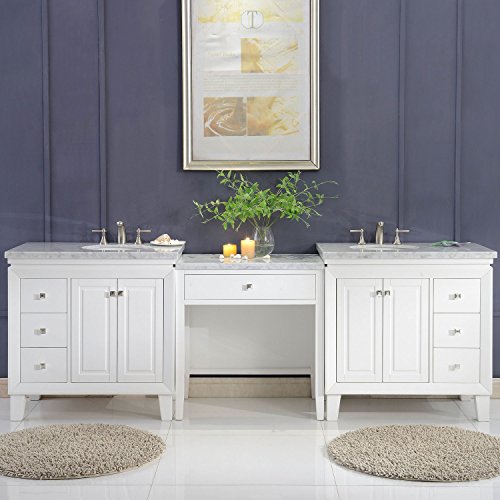
Transitional bathroom Vanity single sink cabinet with brushed nickel Finish Knobs/handles

【Premium Vanity Construction】 The Stafford 84-inch bathroom vanity crafted from premium solid hardwood and plywood for superior strength and durability. Ariel Grey 84" bathroom vanity with sink provides a longer lifespan than MDF or particle board cabinets and resists moisture, warping, cracking, and paint peeling. A Sherwin-Williams PU coating delivers a durable finish that withstands daily wear and tear. Hidden leveling feet deliver a stable, wobble-free fit on uneven floors.
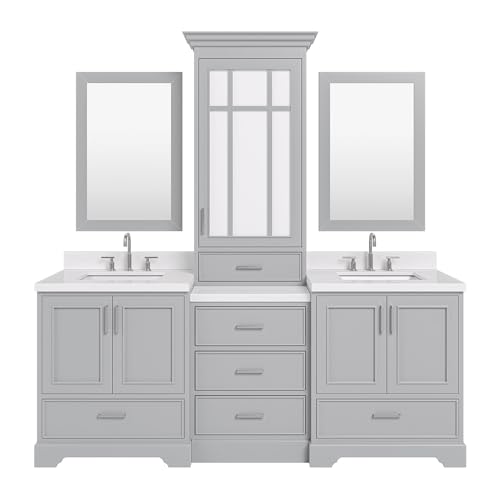
【Premium Vanity Construction】 The Stafford 84-inch bathroom vanity crafted from premium solid hardwood and plywood for superior strength and durability. Ariel Grey 84" bathroom vanity with sink provides a longer lifespan than MDF or particle board cabinets and resists moisture, warping, cracking, and paint peeling. A Sherwin-Williams PU coating delivers a durable finish that withstands daily wear and tear. Hidden leveling feet deliver a stable, wobble-free fit on uneven floors.
ADA Compliance and Accessibility Requirements
Understanding the importance of ADA compliance and accessibility requirements is essential for designing inclusive bathrooms that cater to a diverse range of users. The Americans with Disabilities Act (ADA) stipulates a maximum countertop height of 34 inches for accessible vanities, ensuring comfort for wheelchair users. In addition, the minimum knee clearance beneath an ADA-compliant vanity must be 27 inches high, 30 inches wide, and 19 inches deep, facilitating easy access for individuals facing mobility challenges. Adjustable interior shelves within bathroom storage cabinets can provide added flexibility and organization for users with varying needs. Additionally, sink depths should not surpass 6.5 inches to guarantee usability for diverse mobility devices. Exposed plumbing must be insulated to prevent injuries, reinforcing safe access. Adhering to ADA standards enhances overall usability and fosters an inclusive design in bathroom layouts, making them suitable for all users.
Practical Tips for Measuring Vanity Heights
When measuring vanity heights, it is crucial to take into account the distance from the floor to the bottom of the user’s elbows while standing, as this measurement will provide a solid foundation for determining a comfortable vanity height that accommodates individual preferences. The standard height for bathroom vanities ranges from 30 to 36 inches, with 34 inches often selected for maximum comfort and functionality. Additionally, verify that the vanity height is 5 to 10 inches lower than the height of the mirror for better usability during grooming. ADA recommendations suggest that vanity heights should not exceed 34 inches for sufficient clearance, allowing for accessibility. When measuring, remember to factor in the height of the countertop and existing plumbing, as they will impact overall measurements in a custom bathroom setup. Bathroom vanity tops come in various dimensions, which is crucial to ensure a proper fit for your vanity height and overall bathroom design.
Recommended Products

Wood Vanity w/ Handcrafted Intergrated Sink in Aged Copper

Covered under Signature Hardware's 25 year limited
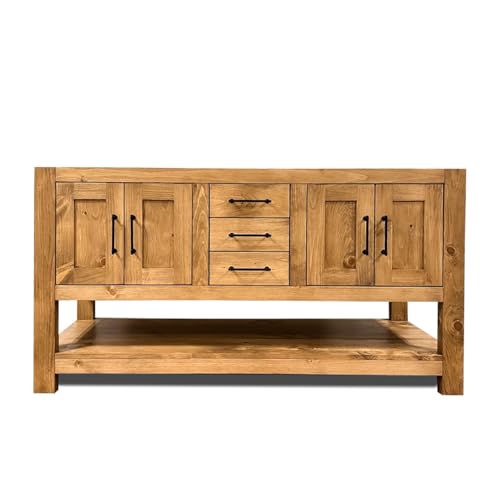
VERSATILE VANITY FOR ANY BATHROOM STYLE: Our rustic vanity blends beautifully with modern, farmhouse, or classic decor. Whether you need a bathroom sink cabinet or a makeup vanity desk, this multipurpose piece adds charm and function. It features a practical layout for everyday use, offering both storage and visual appeal in one elegant solution.
Frequently Asked Questions
What Is a Comfortable Bathroom Vanity Height?
A comfortable bathroom vanity height typically ranges from 34 to 36 inches, balancing ergonomic design and personal preference. Adjustable height options cater to family-friendly needs, while ADA compliance guarantees functionality in smaller spaces with luxurious finishes.
What Is the Trend Height of a Bathroom Vanity Now?
The current trend height for bathroom vanities is 36 inches, reflecting modern vanity styles. This aligns with floating vanities’ popularity, supports minimalist trends, and accommodates rustic decor while embracing eco-friendly materials and affordable design ideas.
What’s the Best Vanity Height for Back Pain?
The ideal vanity height for back pain solutions typically ranges from 34 to 36 inches, incorporating ergonomic design tips and height customization options to accommodate user preferences while considering sink style impact and accessibility in installation.
What Is a Comfort Height Sink?
Echoing the height of ancient craftsmanship, a comfort height sink ranges from 34 to 36 inches, embodying ergonomic design principles while ensuring water efficiency, ADA compliance, and enhanced usability for various user preferences and requirements.


