As an Amazon Associate, we earn from qualifying purchases. Some links on this site are affiliate links at no extra cost to you. Our recommendations are based on thorough research and editorial judgment.


Single-Hole Vs Widespread Faucets: What’s the Difference?

Single-hole faucets feature a compact design that combines the spout and handle into one unit, requiring just one hole for installation and offering a minimalist look ideal for modern spaces. In contrast, widespread faucets necessitate three separate holes, spaced 8 to 16 inches apart, allowing for independent temperature control with separate hot and cold handles. While single-hole faucets are easier to clean and install, widespread options provide greater design flexibility and more precise temperature adjustments. Exploring these facets reveals more distinctions.
Key Takeaways
- Single-hole faucets combine spout and handle in one unit, while widespread faucets have separate hot and cold handles requiring more installation space.
- Single-hole options are space-efficient, making them ideal for smaller sinks, whereas widespread faucets require three holes and occupy more countertop space.
- Widespread faucets offer greater design flexibility with various styles, while single-hole faucets typically present a minimalist and modern aesthetic.
- Temperature control is simpler with widespread faucets, as they feature individual handles for precise adjustments, unlike single-holes with a single lever.
- Maintenance is easier with single-hole faucets due to fewer components; widespread faucets, however, allow for simple parts replacement when repairs are needed.
Overview of Single-Hole Faucets
Single-hole faucets are increasingly popular in modern kitchen and bathroom designs, as they streamline installation through a single hole in the countertop or sink, combining both the spout and handle into one unified unit. Their compact, streamlined design is especially beneficial for smaller sinks, maximizing space efficiency. Installation is typically simpler and requires less labor, contributing to a budget-friendly option for homeowners. Additionally, single-hole faucets are easier to maintain, with fewer nooks and crannies where grime can accumulate, addressing maintenance concerns effectively. However, the single-handle design may impose limitations on temperature control, as adjustments need to be made carefully. Despite these trade-offs, single-hole faucets offer a contemporary aesthetic ideal for modern spaces. FORIOUS Black Bathroom Faucet’s sophisticated matte black design exemplifies the aesthetic appeal and functionality that make these types of faucets a popular choice.
Advantages of Single-Hole Faucets

An impressive array of advantages makes single-hole faucets an attractive choice for homeowners seeking efficiency and modern design in their kitchens and bathrooms. The streamlined design offers a minimalist aesthetic, ideally suited for contemporary spaces, while also providing a compact option that fits well in smaller environments. Single-hole faucets consist of fewer components, which leads to fewer leak points and enhances their durable design, ensuring longevity with minimal maintenance. Additionally, their installation is straightforward, requiring less labor compared to widespread models, consequently saving time and costs. The design also promotes cleaning convenience by minimizing crevices where dirt can accumulate. Models with WaterSense certification ensure compliance with efficiency standards, conserving water without sacrificing performance. This combination of practicality and style makes single-hole faucets a popular choice for efficient home design.
Recommended Products

Kohler is a recognized global leader in kitchen and bath design.

Single hole floor-mount installation

COMPLETE SHOWER SYSTEM: The Ara shower system includes the shower head, shower arm, shower handle, 3-setting diverter, slide bar handheld shower, wall elbow and all required valves for installation
Disadvantages of Single-Hole Faucets

While single-hole faucets offer numerous benefits, they are not without drawbacks that may influence a homeowner’s decision. One primary disadvantage is their limited style options, which can restrict aesthetic choices compared to widespread faucets. Additionally, if a homeowner decides to switch to a widespread design, countertop or sink modifications may be required, incurring extra costs. Users may also encounter difficulties with temperature control, as adjusting water flow using a single lever can be less intuitive than multiple handles. The integrated design of single-hole faucets limits customization regarding handle placement, which may not cater to individual ergonomic needs. Moreover, while easier to clean, the absence of separate handles can lead to sudden temperature fluctuations, complicating user adjustments during operation. For those considering a switch, it’s important to note that installation may require additional support due to weight, especially for wall mount options.
Recommended Products
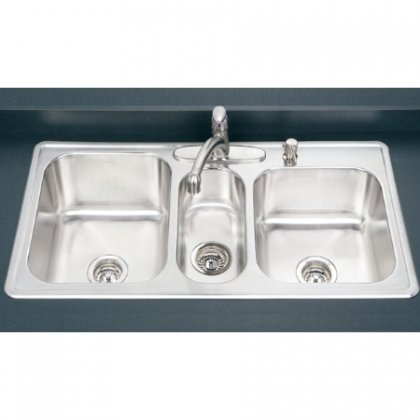
STURDY STAINLESS STEEL CONSTRUCTION: Made from premium-grade stainless steel, this sink offers superior durability and resistance to rust, water, food stains, and harsh chemicals, making it a reliable, long-lasting addition to any kitchen or bar.

STURDY STAINLESS STEEL CONSTRUCTION: Made from premium-grade stainless steel, this sink offers superior durability and resistance to rust, water, food stains, and harsh chemicals, making it a reliable, long-lasting addition to any kitchen or bar.

Finish - Matte Antique Copper
Exploring Widespread Faucets

Widespread faucets, distinguished by their three-component setup requiring individual holes for installation, typically demand a spacing of 8 to 16 inches between the spout and dual handles, offering a user-friendly configuration that allows precise temperature adjustments. These faucets provide separate hot and cold handles, enhancing temperature control and ensuring a comfortable user experience. An array of styles, from vintage to contemporary, allows homeowners to find a design that fits their aesthetic preferences. While installation can be straightforward, maintenance is simplified since individual components can be easily replaced without disassembly. However, the larger footprint of widespread faucets means they may not be ideal for smaller sinks, where space is limited, making single-hole faucets a more practical choice in such settings. Many stylish faucet finishes like matte black and brushed nickel are available, allowing widespread faucets to complement diverse bathroom decors.
Recommended Products

Kohler Part

Inspired by the luxurious fixtures of Europe’s grand hotels, this sophisticated collection is as authentic in its detail, including slip-fit pipes and porcelain inlays, as it is contemporary in its manufacture.

VALVE INCLUDED: This trim kit includes Moen valve 9000 to complete installation
Weighing the Pros and Cons of Widespread Faucets

When homeowners consider the feasibility of widespread faucets, they encounter a distinct blend of advantages and disadvantages that shape their decision. Widespread faucets necessitate three holes for installation, which not only makes the installation process more labor-intensive compared to single hole models but can also elevate costs considerably. However, this configuration allows for greater design flexibility and improved temperature control, catering to diverse aesthetic preferences, from classic to contemporary. Additionally, repairing widespread faucets tends to be easier, as individual components can be replaced independently, contrasting with single hole designs. Nevertheless, they generally occupy more countertop space, making them less suitable for smaller bathrooms or limited vanity areas, compelling homeowners to weigh these pros and cons carefully before choosing their faucet style. Some pedestal bathroom sinks offer compact designs that can accommodate widespread faucets without compromising on space efficiency.
Recommended Products

✅ Two-handle widespread lavatory faucet for 8- to 16-inch centers

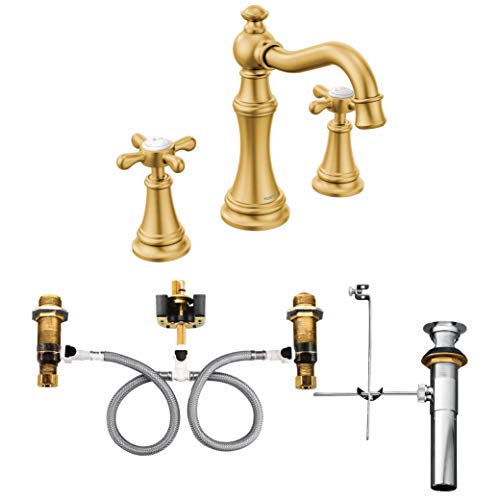
VALVE INCLUDED: This trim kit includes valve # 9000 to complete installation
Frequently Asked Questions
What Are the Disadvantages of a Single Handle Faucet?
Single handle faucets exhibit design limitations, complicating temperature control and user preference. Their installation complexity, aesthetic appeal, and style versatility often lack, alongside durability concerns and maintenance issues, impacting water pressure and overall functionality.
Are Single Hole Faucets in Style?
Single hole faucets are in style, featuring trendy designs that embody modern aesthetics and minimalist appeal. They provide space-saving solutions, easy installation, and versatile usage, with functional elegance and budget-friendly options from popular brands in various color options.
What Faucets Do Plumbers Prefer?
Plumbers often prefer widespread faucets due to their superior durability and ease of repair services. Installation difficulties and cost considerations come into play, alongside maintenance requirements and design aesthetics, ultimately enhancing water efficiency and flow rates.
What Does a Single Hole Faucet Mean?
A single hole faucet refers to a streamlined fixture requiring one installation point, combining spout and handle. It favors modern design aesthetics, simplifies maintenance, and suits smaller spaces, though it may limit style options and user experience.


