As an Amazon Associate, we earn from qualifying purchases. Some links on this site are affiliate links at no extra cost to you. Our recommendations are based on thorough research and editorial judgment.


Preventing Mold Around Tub Surrounds and Caulk Lines

To prevent mold around tub surrounds and caulk lines, maintain proper ventilation to reduce humidity levels. Utilize mildew-resistant caulk, ensuring a tight seal around fixtures while regularly inspecting for cracks. Clean surfaces routinely, removing moisture and soap scum, and employ squeegees post-shower to eliminate excess water. Consider applying deep-penetrating sealers for grout lines to offer additional protection against moisture. Additionally, consistent seasonal maintenance and early detection practices can greatly enhance mold control, with more preventative strategies available for exploration.
Key Takeaways
- Regularly inspect caulk lines and tub surrounds for cracks or gaps to prevent moisture accumulation and mold growth.
- Use mildew-resistant caulk and high-quality sealants for enhanced protection in high-humidity areas.
- Establish a consistent cleaning schedule to keep surfaces free from moisture, soap scum, and mold spores.
- Utilize squeegees after showers to remove excess water, reducing condensation and moisture in the bathroom.
- Maintain proper ventilation through exhaust fans and open windows to lower humidity levels and curb mold development.
Why Bathrooms Are Prone to Mold
Although bathrooms are commonly considered personal sanctuaries, they are often hotspots for mold growth due to several environmental factors that create ideal conditions for fungal proliferation. High humidity levels frequently exceed 60%, creating damp environments that foster mold. Daily activities like hot showers produce constant moisture, contributing to condensation on surfaces. Poor ventilation further exacerbates this issue, allowing humidity to linger and facilitate a continuous breeding ground for mold. Mold is notorious for thriving in hidden areas, such as grout lines, behind fixtures, and within caulk seams, where moisture can accumulate undetected. Common bathroom materials, particularly porous grout and drywall, easily absorb water, increasing susceptibility to colonization, hence highlighting the necessity for proactive mold prevention strategies. To effectively prevent mold, it is crucial to use mold resistant caulk options that offer lasting protection in high-moisture areas.
Where Mold Grows and How to Stop It

Mold tends to flourish in high-risk zones within bathrooms, particularly in areas where water accumulation and inadequate ventilation coexist, such as shower corners, tub surrounds, and grout lines. To effectively combat mold growth, it is vital to guarantee watertight seals around tubs and showers, which prevent moisture seepage that can lead to hidden mold behind panels. Improving air circulation by utilizing exhaust fans and opening windows greatly reduces standing moisture levels. Regular inspection and maintenance of caulk lines are important; replacing deteriorated caulk with mildew-resistant alternatives can help thwart mold development. Additionally, employing non-porous materials for tub surrounds and sealing grout lines with high-quality sealants enhances resistance to mold, ultimately creating a healthier bathroom environment. A great option for preventing water spots and mineral buildup on fixtures is to choose a faucet with Touch-Clean features, as these simplify cleaning and maintenance.
Recommended Products

American Standard 3060SH.LW 30-Inch By 60-Inch By 37-Inch Seated Shower with Drain, White, Left Hand
Allows for easy transfer into and out of the shower

Easy to Install and Easy to Clean

White Caulk for Invisible Joints: Achieve seamless finishes in kitchens, bathrooms, and more with our white silicone caulk. Perfect for invisible joints, this waterproof solution blends effortlessly with any surface for a sleek, polished look.
Understanding Mold and Mildew in Bathrooms

Understanding the dynamics of mold and mildew in bathrooms is vital, particularly since these fungi thrive in environments characterized by high humidity and persistent moisture. Mold and mildew flourish in areas with poor ventilation, where dampness accumulates from daily activities such as showers. These fungi commonly settle in grout lines, caulk seams, and behind fixtures, creating hidden breeding grounds. The use of porous materials like grout exacerbates moisture absorption, increasing the risk of health issues including allergic reactions. Routine maintenance, such as regular cleaning and resealing, is important for limiting mold growth. Implementing watertight seals and non-porous materials for tub surrounds not only mitigates moisture intrusion but also facilitates easy cleaning, further preventing mildew buildup in bathrooms. For individuals with reduced mobility, using bathroom fixtures designed for safety, such as toilet grab bars, ensures a secure and accessible environment while maintaining cleanliness.
Best Practices for Bathroom Maintenance

To maintain a mold-free bathroom environment, implementing best practices for maintenance is crucial, as these strategies can greatly reduce the risk of moisture-related issues. Regular inspections and timely maintenance of caulk lines around tubs and showers prevent moisture accumulation. The use of mildew-resistant caulk, like GE Advanced or Supreme Silicone, enhances protection in high-humidity areas. Proper ventilation is achieved through an exhaust fan, which should be activated during and after showers to effectively mitigate humidity levels. Establishing a routine cleaning schedule, supplemented with an appropriate bathroom cleaner, guarantees surfaces remain free from standing moisture and soap scum. Additionally, using a squeegee post-shower eliminates excess water, further aiding in the effort to prevent mold and mildew growth. Furthermore, selecting rust-resistant materials for cabinetry hardware ensures longevity and reduces the likelihood of moisture-induced deterioration in bathroom environments.
Recommended GE Sealants for Mold Resistance

When it comes to preventing mold in bathrooms, selecting the right sealant is essential for effective moisture management. GE Advanced Silicone Kitchen & Bath Sealant provides a remarkable 10 years of mold resistance, making it suitable for high-moisture areas. In contrast, GE Supreme Silicone Kitchen & Bath Sealant features Class 50 flexibility, enabling it to endure temperature changes without cracking or peeling. Both sealants are particularly effective for vulnerable areas like sinks and shower corners, where moisture accumulates and fosters mold growth. Available in clear and white finishes, these sealants blend well with various bathroom designs, while considerably reducing water seepage. Proper installation of these high-quality sealants can enhance your home’s defenses against mold-related issues, ensuring lasting protection. Additionally, using rust-resistant materials like stainless steel in your bathroom can further prevent mold development by reducing moisture retention and enhancing overall durability.
Importance of Proper Ventilation
Proper ventilation plays an essential role in maintaining a mold-free bathroom environment, particularly following moisture-intensive activities like bathing. Effective ventilation can greatly reduce humidity levels, diminishing the conditions favorable for mold growth. For example, running an exhaust fan during and after showers can decrease humidity by up to 50%, thereby aiding in surface drying. When windows are opened, natural airflow accelerates moisture reduction, enhancing the drying process. Regular maintenance of ventilation systems guarantees efficient air circulation, which is vital for keeping areas around tub surrounds dry and mold-free. In bathrooms with inadequate airflow, humidity levels can be up to 30% higher, increasing the likelihood of mold and mildew settling in vulnerable areas such as caulk lines and tub surrounds. Using dehumidifiers with HEPA filters can further enhance air quality by removing excess moisture and capturing airborne particulates, thus contributing to a healthier bathroom environment.
Daily Mold Prevention Tips
Implementing daily mold prevention tips markedly enhances the long-term health and cleanliness of any bathroom, particularly around tub areas where moisture can accumulate. One effective practice is running the bathroom exhaust fan during and for at least 30 minutes after showers to lower humidity levels dramatically. Immediate use of a squeegee to remove excess water from the tub surrounds minimizes moisture retention, greatly reducing the likelihood of mold proliferation. Regular inspections of caulk around seams are essential, as reapplying it guarantees a watertight seal against potential water seepage. Daily wiping of bathroom surfaces, including the tub and walls, with a microfiber cloth promotes rapid drying. Additionally, opting for mildew-resistant products offers an extra layer of protection against mold or mildew. For efficient bathroom heating solutions, consider installing electric mini tank water heaters, which are designed for quick heating in compact spaces.
Seasonal Maintenance for Long-Term Mold Control
Seasonal maintenance plays an essential role in safeguarding bathrooms from mold growth, as proactive measures against moisture and humidity create an inhospitable environment for spores. Regular inspections of caulk lines and tub surrounds every season allow homeowners to identify cracks or gaps, which, if untreated, facilitate moisture ingress, promoting mildew in your bathroom. Applying a high-quality, mildew-resistant sealant, like GE Advanced Silicone, fosters tight seals, considerably reducing mold risks. Cleaning grout lines with specialized mildew cleaners aids in eradicating spores, preventing potential mold development. Additionally, ensuring proper ventilation during bathing, whether by using exhaust fans or opening windows, effectively lowers humidity. Incorporating squeegee drying practices enhances moisture control, contributing to a healthier, mold-free environment in the long run. To further protect grout lines, deep-penetrating sealers can be applied to provide maximum durability while maintaining the natural appearance of the surface.
Detecting and Addressing Mold Issues Early
Detecting and addressing mold issues early can considerably mitigate long-term damage and health risks associated with prolonged exposure. Routine inspections of caulk lines and tub surrounds, focusing on cracks or missing grout, serve as effective detection methods for potential water intrusion and mold growth. Signs, such as persistent musty odors, discoloration around caulk seams, and visible mildew on shower walls, should trigger immediate remediation efforts. Utilizing a moisture meter can help accurately measure the moisture levels within drywall, allowing property managers to identify hidden mold issues within walls surrounding tub areas. Timely reporting of visible mold or moisture problems is essential, as proactive maintenance and repair can greatly reduce remediation costs and health concerns related to harmful mold spores. Proper lighting conditions in a bathroom can help illuminate potential issues, like mold, that might otherwise go unnoticed in dim areas.
Refreshing and Protecting Grout Lines
Restoring and safeguarding grout lines around tubs is essential for maintaining not only the aesthetic appeal of bathrooms but also a hygienic environment free from mold. Discolored grout often indicates moisture absorption and therefore susceptibility to mold growth. To refresh grout lines, utilizing a grout whitening pen can effectively restore their appearance and prevent mold accumulation. Regular cleaning with a mild bleach solution can eliminate existing mold, followed by ensuring full drying before applying a new sealant for optimal protection. Additionally, selecting non-porous grout minimizes water absorption, while routine inspections can identify cracks or improper seals that may harbor mold. Finally, ensuring proper air circulation can help maintain the integrity of grout lines, considerably reducing mold risks. Using eco-friendly options with biodegradable and non-toxic ingredients can further ensure a safe and effective cleaning process.
Recommended Products
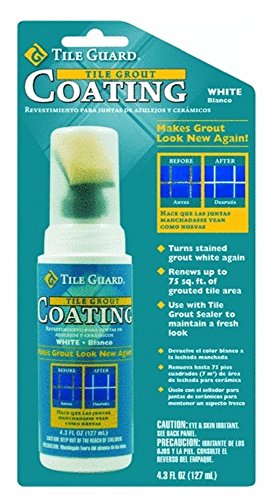

Easy to Use: This grout pen makes refreshing your grout simple and hassle-free, with no special tools or skills required.
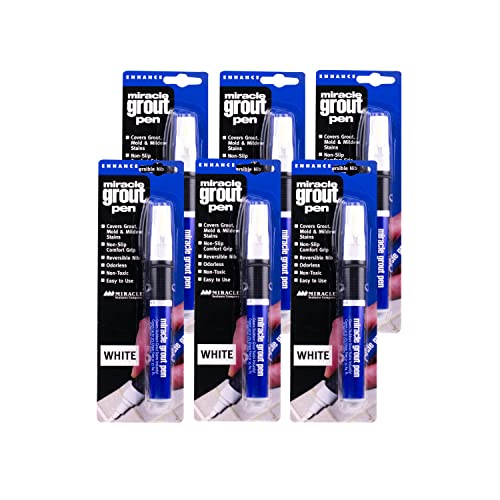
Use indoors or out, apply over existing grout or mold and mildew stains to renew grout lines
Frequently Asked Questions
Why Does the Caulk Around My Tub Keep Molding?
In a crowded apartment, dampness raised mold in tub caulk, requiring regular caulk maintenance tips. Implementing mold prevention strategies and bathroom ventilation solutions proved essential, thwarting persistent moisture and protecting the seal from further deterioration.
How to Get Rid of Mold Around Bathtub Caulking?
To eliminate mold around bathtub caulking, utilize effective mold cleaning methods, consider caulk replacement tips for deteriorated areas, and implement mold prevention strategies like enhancing ventilation and sealing gaps to inhibit future growth.
Why Is the Caulk Around My Tub Turning Black?
The caulk around the tub turns black due to mold thriving in damp, poorly ventilated bathrooms. Following mold prevention tips and performing regular caulk maintenance can help keep the blackness at bay—because nobody wants a gothic bathroom aesthetic!
Will Spraying Vinegar in the Shower Prevent Mold?
Spraying vinegar in the shower demonstrates significant effectiveness in mold prevention. Its antifungal properties make it an excellent choice for shower cleaning, helping to inhibit mold growth and maintain a healthier bathroom environment over time.


