As an Amazon Associate, we earn from qualifying purchases. Some links on this site are affiliate links at no extra cost to you. Our recommendations are based on thorough research and editorial judgment.


Drain and Overflow Positions: Planning for Rough-Ins

When planning drain and overflow positions during bathtub rough-ins, it is vital to maintain precise measurements. The standard drain hole diameter is 1 ½ inches, with a ¼-inch slope per foot to guarantee effective water flow. The overflow must be positioned above the tub’s edge to prevent spills, and the vertical drain shoe must align with the p-trap. Choosing compatible drain types, such as cable-driven or toe-touch, is also critical. Learn about potential installation challenges and solutions.
Key Takeaways
- Ensure the drain hole diameter is precisely 1 ½ inches to align with standard bathtub drains for effective water flow.
- Position the overflow system above the tub’s rim to prevent spills and ensure proper operation of the overflow feature.
- Maintain a ¼-inch slope per foot in drainage pipes to facilitate efficient water flow and minimize clogging risks.
- Verify vertical measurements from the tub drain to the p-trap and horizontal distances to the waste tee for accurate rough-in alignment.
- Consult local plumbing codes and engage a professional to ensure compliance and reliability of the drain and overflow installation.
Understanding Drain and Overflow Systems
Understanding drain and overflow systems is essential for effective bathroom management, as these components play an important role in ensuring water is appropriately directed away from the tub. A tub drain, usually sized at 1 ½ inches in diameter, must conform to local plumbing codes to maintain compatibility with fixtures and prevent flooding. The strategically located overflow directs excess water back into the waste line, safeguarding against potential spills. During rough-in, accurate measurements, such as the vertical drain shoe measurement and the horizontal distance from the tub drain center to the waste tee, are crucial. Various assembly types—cable-driven, trip lever, and toe-touch—offer different operational methods to regulate water flow during installation, impacting overall bathroom functionality. Choosing a bathtub drain cover that fits standard drain sizes can enhance the effectiveness of the drainage system by preventing clogs and maintaining cleanliness.
Importance of Proper Drain Positioning

Proper drain positioning plays a significant role in bathroom function, influencing both water management and maintenance efficiency. Ensuring correct alignment with a proper slope of ¼ inch per foot minimizes the risk of clogging and facilitates smooth water flow, as dictated by local plumbing codes. The standard drain hole size typically measures 1 ½ inches in diameter, aligning with established requirements for drain lines. Additionally, careful rough-in considerations regarding fixture placements, particularly the vertical drain shoe leading to the p-trap, are essential for compatibility and functionality. An adequately positioned overflow feature, higher than the tub’s edge, prevents water spills, protecting flooring and surrounding fixtures. Choosing liners made from durable materials like PEVA helps ensure longevity and resistance to mildew in the bathroom environment. Overall, thoughtful planning for drain positioning streamlines maintenance and promotes effective drainage throughout the bathroom space.
Overflow Specifications for Bathtubs

While considering the essential function of overflow systems in bathtubs, it becomes evident that these features are meticulously designed to manage water levels effectively, thereby preventing potential spills and water damage. The overflow hole is strategically placed higher than the tub’s edge to redirect excess water into the drain pipes, while the overflow depth, measured from the interior floor to the tailpiece edge, influences the installation of the drain assembly. Compliance with local plumbing codes guarantees that standard bathtub drain holes maintain a diameter of 1 ½ inches, facilitating compatibility across various drain assemblies. Additionally, maintaining effective access for maintenance often necessitates an access panel near adjacent walls, regardless of whether the overflow operates via cable-driven or trip-lever mechanisms. In the context of bathroom upgrades, the ANSI-certified tempered glass used in sliding shower doors ensures enhanced safety and durability, complementing the overall functionality and aesthetic appeal of modern bathrooms.
Standard Measurements for Drain Installation

Effective management of water levels in bathtubs, aided by overflow systems, highlights the significance of precise measurements during drain installation. The standard drain hole size is typically 1 ½ inches in diameter, adhering to local plumbing codes that guarantee functionality. In addition, the vertical drain shoe must be accurately measured to connect the tub’s drain to the p-trap beneath, enabling effective drainage. Careful attention should also be given to the horizontal distance from the center of the tub drain to the waste tee, guaranteeing proper alignment. For overflow installation, the depth from the tub’s interior floor to the tailpiece edge must exceed the tub’s rim to prevent spills, all vital elements in successful plumbing rough-in procedures. Additionally, shatter-proof glass designs are increasingly important for bathroom installations, ensuring durability and safety in high-humidity environments.
Common Types of Bathtub Drains

Bathtub drains come in various designs, each catering to specific functional and aesthetic needs, which is fundamental for both practicality and style in bathroom renovations. Common types of bathtub drains include cable-driven drains, trip lever assemblies, and toe-touch drains, which offer different mechanisms for sealing and releasing water. Drain assemblies must adhere to local plumbing codes, typically designed for standard 1 ½ inch drain hole sizes. Additionally, compatibility with the bathtub style is essential—freestanding models often require unique drain assemblies compared to built-in models. An effective overflow feature is critical, redirecting any excess water back into the waste line, thereby preventing spills and ensuring cleanliness. Each option balances functionality, style, and installation procedures, providing a tailored solution for diverse bathroom settings. Many shower door seals, made from durable materials such as silicone, ensure long-lasting use and aid in maintaining a dry bathroom environment.
Recommended Products

Contemporary European Style: Sleek Look Enhances Any Modern Bathroom Décor


Bronze body construction ensures durability and long life
Selecting the Right Overflow Assembly
Selecting the right overflow assembly is vital for guaranteeing a bathtub functions properly, as it directly impacts water management and overall safety. When choosing an overflow assembly, it is important to match the actuator type—options include cable-driven, trip lever, or pop-up—with the bathtub style for superior performance. Additionally, overflow depth measurements, taken from the tub’s interior floor to the tailpiece edge, must verify proper water displacement to prevent overflows. Local plumbing codes typically require a drain shoe measurement of 1 ½ inches in diameter for compatibility. Aesthetic considerations, such as selecting a drain stopper type like toe-touch or lift-and-turn, can enhance the bathroom’s appearance, alongside various finishes ranging from polished chrome to oil-rubbed bronze. When choosing a drop-in bathtub, consider factors such as tub dimensions, material quality, and installation type to ensure a seamless fit within your bathroom space.
Recommended Products

🛀 OVAL SHAPE: Surround yourself with tranquility and comfort with our FerdY Naha freestanding bath. Combining luxury with simplicity, our ergonomic design conforms to and supports your body as you stretch out and enjoy a deep and relaxing soak. With its gracefully shaped lines, this versatile bathtub complements a wide range of bathroom styles and offers an easy installation
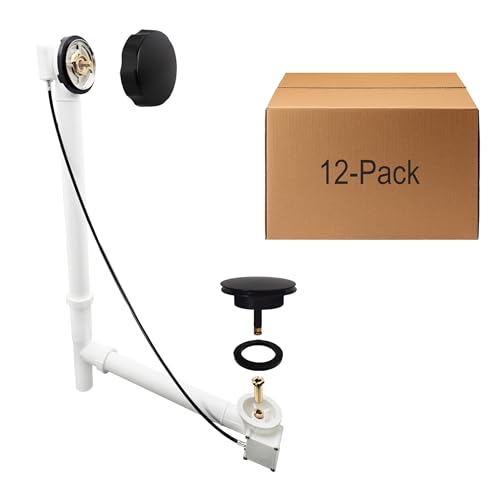
CABLE DRIVE OPERATION WITH ROTARY KNOB: Features a durable 27 inch cable and brass overflow knob for simple twist-control of the pop-up drain from the tub wall

Includes: tub filler with hand shower, waste & overflow, shut-off valves, and supply lines
Key Considerations for Drain Stoppers
Considering the various options available, selecting the right drain stopper is essential for achieving effective water management in a bathtub. Common types, such as toe-touch, lift-and-turn, pop-up, and trip-lever, offer diverse functionality. Compatibility is paramount; ensuring the drain stopper aligns with the drain assembly type, which typically has a standard diameter of 1 ½ inches as mandated by local plumbing codes, prevents future issues. Installation procedures vary; for example, cable-driven assemblies allow quick setup via an overflow knob, whereas trip lever models require rods for operation. Properly functioning drain stoppers maintain the integrity of the tub drain and the overflow system, essential for preventing water spillage and ensuring the bathtub’s longevity, which ultimately protects against potential water damage in the bathroom environment. Some toilet bowl cleaner tablets are safe for septic systems, making them a considerate choice for households aiming to maintain plumbing health.
Recommended Products

Overall dimension: (L)66-7/8" x (W)27-1/2" x (H1)21-1/4" ( 1/2")

Overall dimension: (L)60"x (W)30-1/4" x (H1)19-1/8" x (H2)26" ( 1/2")

Vintage Pop-Up Bath Drain, Vibrant Polished Nickel
Compatibility of Drain Assemblies With Tub Styles
Proper compatibility between drain assemblies and various tub styles, such as built-in or freestanding options, is essential for efficient drainage and ideal performance in any bathroom setting. Standard drain hole sizes, typically measuring 1 ½” in diameter, align with local plumbing codes, ensuring that drain assemblies function correctly regardless of tub design. The distance from the center of the tub drain to the waste tee connection, known as the horizontal drain shoe measurement, is vital for proper installation and functionality. Additionally, overflow depth, which is determined from the interior floor to the edge of the tailpiece, influences the choice of drain assembly. Different drain assembly types, like cable-driven or trip lever systems, are specifically designed for distinct tub styles, optimizing user experience and installation ease.
Recommended Products

Kit includes: Shower Enclosure and Shower Base; Kit Size: 33 in. D x 33 in. W x 74 3/4 in. H; Walk-In Opening: 18 11/16 in.

120-VOLT DRUM MACHINE: Offers reliable power that cleans even the toughest of everyday 1-1/2" to 4" drain line blockages in tubs, showers, and sinks hassle-free with a sleek profile and user-friendly design

Saves water, energy and money: The flow rate is automatically restricted to max. 1.2 GPM, even when the water pressure varies (EcoRight)
Tips for Accurate Rough-In Measurements
Accurate rough-in measurements are essential for guaranteeing seamless installation and ideal performance of tub drain systems. To comply with local plumbing codes, the standard drain hole size should be 1 ½” in diameter, facilitating compatibility with various fixtures. Vertical measurements from the tub drain to the p-trap must be precise to avoid misalignment. For horizontal distance, measure from the tub drain’s center to the waste tee connection, adhering to recommended distances. Additionally, measure the overflow depth from the tub’s floor to the tailpiece edge, guaranteeing the overflow is positioned above the water line. Double-checking all measurements and slope alignments is critical, as inaccuracies may cause drainage issues, leading to costly adjustments in the future. Proper rough-in guarantees a reliable connection for maximum functionality. Considering the durability and corrosion resistance of materials like brass or stainless steel can also contribute to the long lifespan and effective performance of bathroom sink drains.
Recommended Products

DIMENSIONS – Exterior size: 59" L x 28 3/4" W x 27 1/2" D with a 58-gallon effective soaking capacity, providing ample room while fitting most bathroom spaces.
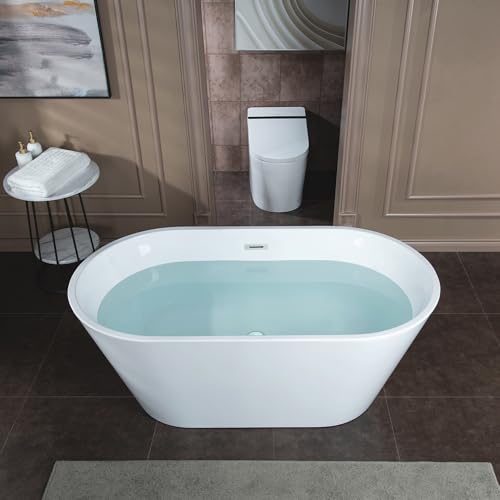
DIMENSIONS – Exterior size: 59" L x 29 1/2" W x 23 1/4" D with a 55-gallon effective soaking capacity, providing ample room while fitting most bathroom spaces.

High quality brass construction
Challenges in Drain and Overflow Installation
Installing drain and overflow systems presents various challenges that require careful attention to detail and precise execution. Proper positioning of the overflow hole above the tub’s rim is essential for effective water redirection, as improper placement may lead to spills. Additionally, ensuring correct alignment of drain and overflow components is critical; misalignment often results in leaks and hinders proper drainage. Standard drain hole sizes typically measure 1 ½ inches in diameter, making compatibility with the selected drain assembly important. Different types of drain assemblies, such as cable-driven or trip lever systems, necessitate specific installation techniques to operate efficiently. Finally, providing adequate access points for future maintenance is essential, as insufficient access complicates repairs within the plumbing system, potentially leading to further issues. Selecting an undermount bathroom sink with a seamless integration can aid in simplifying the installation process, as it reduces the number of visible seams and potential leak points.
Plumbing Code Compliance for Rough-Ins
While maneuvering through the complexities of plumbing rough-ins, compliance with local codes is paramount, as these regulations dictate essential aspects such as pipe sizes, placements, and slopes to guarantee efficient drainage and prevent future plumbing issues. For ideal performance, water supply lines and drainage pipes must adhere to local building codes, ensuring their diameters and drain hole sizes, such as the standard 1 ½ inches for bathtubs, facilitate proper flow. Additionally, toilet rough-ins necessitate positioning the drainpipe 12 inches from the finished wall to enhance installation efficiency. Vent pipes are required to extend above the roofline to maintain airflow, while a critical ¼-inch slope per foot for drainage pipes prevents stagnation and potential clogs during wastewater discharge, emphasizing the importance of precision in plumbing rough-in services. It is also crucial to use durable materials like stainless steel or brass in plumbing fixtures to ensure longevity and resistance to corrosion, as highlighted in top shower head designs.
Choosing a Professional for Plumbing Rough-Ins
Choosing a professional for plumbing rough-ins is vital, as their expertise not only assures compliance with local building codes but also contributes to the overall efficiency and effectiveness of the plumbing system. Hiring a professional guarantees accurate measurement and alignment of pipes, which is essential for a properly functioning drainage system. In addition, experts in plumbing services can read complex plumbing diagrams and identify hidden plumbing issues early, helping to avoid future complications. Experienced plumbers are well-versed in various materials, such as PEX and copper, enabling them to select the most suitable options for specific applications. Most importantly, many professionals offer warranties on their work, providing homeowners with confidence in the reliability and longevity of the installed systems, delivering peace of mind throughout the construction process.
Frequently Asked Questions
What Are the Requirements for Overflow Pipes?
In plumbing, an overflow pipe symbolizes safety—crafted from durable materials and sized according to plumbing code standards. Effective overflow prevention methods and well-designed drainage systems mitigate common overflow issues, necessitating regular inspections to guarantee functionality.
What Is the Code for Drain Height?
Drain specifications typically require height measurements of 14 to 16 inches from the finished floor, adhering to plumbing regulations. Installation guidelines emphasize compliance with building codes to guarantee proper fixture placement and efficient drainage systems.
What Are the Requirements for Rough in Plumbing?
Rough-in plumbing requirements include specified rough-in dimensions, adherence to plumbing codes, appropriate pipe materials, correct drainage slope, accurate fixture placement, and compliance with venting requirements according to local building regulations for efficient system operation.
How to Find Out Which Way Your Drains Run?
Determining the direction of drains can be challenging. Observing plumbing layout and examining pipe angles, installation depth, and drainage systems allows one to infer water flow, while soil composition may reveal hidden drain materials and routes.