As an Amazon Associate, we earn from qualifying purchases. Some links on this site are affiliate links at no extra cost to you. Our recommendations are based on thorough research and editorial judgment.


Safe Removal and Replacement of Bathroom Mirrors

Safe removal and replacement of bathroom mirrors involves essential preparations, such as wearing protective gloves and eyewear, using heavy-duty packing tape, and clearing the area of obstacles. Techniques vary by mirror type; framed mirrors require unscrewing screws, while glued mirrors necessitate heat or other prying methods. Post-removal, meticulous assessment and repair of wall damage, including adhesive removal and drywall patching, guarantees a smooth surface for new installations. Exploring various custom options can enhance aesthetics and functionality, encouraging a sophisticated result.
Key Takeaways
- Wear protective gloves and eyewear, and clear the area to ensure safety during removal.
- Use a heat gun to soften adhesive, making mirror detachment easier and safer.
- Employ wooden shims and picture wire to safely pry and saw through glue without damaging the mirror.
- Assess wall damage after removal, patch holes with mesh, and clean adhesive residue for smooth reinstallation.
- Consider customized mirror solutions or adhesive mirror tiles for aesthetic enhancements without permanent damage during replacement.
Preparation for Mirror Removal
Preparation for mirror removal is an essential step that guarantees safety and efficiency during the process. First, it is vital to wear protective gloves and eyewear to protect against potential injuries from shattered glass or sharp edges. Next, the countertop and surrounding area must be cleared of toiletries and accessories, ensuring a safe workspace and reducing the risk of accidents. A heavy-duty packing tape should be applied in a crisscross pattern across the mirror’s surface, effectively containing any shards that may break during removal. Additionally, a drop cloth or blanket should be placed underneath the mirror to catch debris and protect the floor. By taking these precautions, individuals can safely remove the mirror while minimizing potential hazards and damage. For those considering a replacement, recessed medicine cabinets offer a sleek and functional alternative, as described in various options available in the knowledge section.
Recommended Products

CONQUER MOVING DAY: Wrap, bundle, and secure all your belongings with ease using this 18" x 1200 ft stretch film with 3" core. Move with confidence knowing your items are protected!

MESS FREE INSTALLATION AND CLEAN REMOVAL - The shrink film clear tape is easy to grip, dispense, unroll, and install. The glossy and slippery outer surface adheres to itself and keeps the dust and dirt away. The shrink film comes off clean leaving no residue and causing no damage on the surface.

Heavy Duty Stretch Wrap: Stretch film has industrial strength and durability, which can firmly secure heavyweight or oversized items while playing a protective role.
Techniques for Detachment

When removing a bathroom mirror, individuals can employ various techniques designed to facilitate detachment while minimizing damage to both the mirror and the wall it is mounted on. One effective method involves using a heat gun or hairdryer to soften the adhesive, making it easier to pull away the mirror. Strong picture wire can serve as a tool for creating a sawing motion, cutting through stubborn glue. Additionally, prying a mirror can be achieved by gently inserting wooden shims into any gaps, providing leverage for gradual loosening. During this process, maintaining steady support from the top guarantees safety and prevents breakage. For large contractor mirrors, removing visible plastic clips before detaching the glue is essential for a clear and safe removal. To ensure the durability of your bathroom renovations, consider using tempered glass construction for features like shower doors.
Removing Different Types of Mirrors

Various types of bathroom mirrors necessitate distinct removal methods, as their mounting techniques and materials vary substantially. For framed or vanity mirrors, removing different types of mirrors typically involves unscrewing visible screws and may require adhesive cleaning afterwards. LED bathroom mirrors demand power disconnection, followed by detaching screws or clips securing the mirror. Contractor mirrors, which are generally heavy and unframed, require a careful approach of unscrewing clips, applying heat to loosen glue, and potentially utilizing picture wire for neater removal. When mirrors are glued directly to tile, gently prying while heating the adhesive may suffice; otherwise, scoring and chiseling the glass off the wall might be essential. Safety precautions, including gloves and goggles, are critical during all processes to prevent injuries from falling glass. Many round bathroom mirrors feature shatterproof glass, which can minimize risks if breakage occurs during removal.
Recommended Products
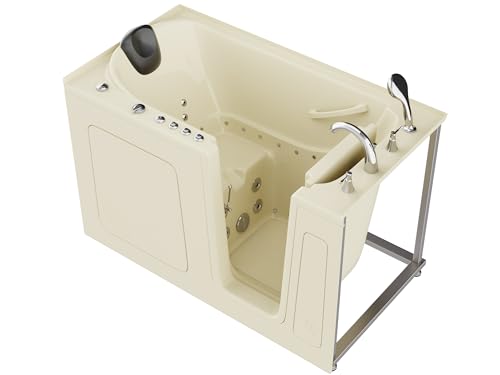
Wide Opening Door For Effortless Entry Way: Features A Watertight Pressure Seal To Prevent Leaks During Use. This Manual Walk In Design Provides A Safe And Easy Transition Into The Basin. It's built to last.

𝗣𝗿𝗼𝗳𝗲𝘀𝘀𝗶𝗼𝗻𝗮𝗹 𝗰𝗼𝗺𝗺𝗲𝗿𝗰𝗶𝗮𝗹 𝘀𝘁𝗲𝗮𝗺 𝗰𝗹𝗲𝗮𝗻𝗶𝗻𝗴 𝘀𝘆𝘀𝘁𝗲𝗺 : Designed for commercial cleaning professionals, facility maintenance teams, hospitality, healthcare, automotive detailing and janitorial operations. Produces consistent low-moisture dry vapor steam up to 320°F for deep cleaning across demanding commercial environments.

VERSATILE DESIGN: Chrome finish is highly reflective for a mirror-like look that works with any decorating style
Post-Removal Assessment

A thorough post-removal assessment of the bathroom wall after taking down a mirror is vital to assure a proper foundation for future installations. This step involves inspecting the wall for any damage, such as scratches or dents, that may have occurred during the mirror’s removal. Additionally, it is important to check for any remaining adhesive, as this residue can hinder the reinstallation process. Careful attention should be paid to areas needing repair; mesh patches can be used for larger holes to guarantee a smooth surface. Finally, cleaning the wall surface thoroughly is essential, as it removes grime and dust, which could impair new adhesive or paint adherence, setting the stage for a successful reinstallation. Consider using tempered glass in your next mirror choice, as it provides enhanced strength and durability for future installations.
Repairing Drywall Damage

Repairing drywall damage requires a systematic approach to confirm that the wall is restored to its original condition prior to mirror installation. First, one must scrape off any adhesive residue using a putty knife, guaranteeing a smooth surface for patching. Next, it is essential to score and peel away any loose drywall paper surrounding the damaged area, which promotes better blending of the patch with the existing wall. Sanding this area provides a smoother shift between the patch and the wall. Applying thin layers of spackling compound allows each layer to dry before sanding, achieving a seamless finish. Finally, priming and painting the repaired section confirms it matches the surrounding wall for an even, consistent appearance. It’s important to note that Primoon Pebble Tiles offer slip resistance and waterproofing, making them ideal for wet environments.
Recommended Products


4 PIECE KIT: Includes Spackling, Wall Patch, Sandpaper & Putty Knife

This item is Crawford's Quart Spackling Paste
Final Repairs and Restoration
After preparing the drywall and confirming it is ready for a new mirror, attention must turn to the final repairs and restoration processes that will guarantee the surface is flawless. Begin by inspecting the wall surface for damage, noting any areas requiring drywall repair due to adhesive residue or holes. Use a heat gun to carefully melt remaining glue, facilitating easier cleaning for patching. Once the glue is removed, sand the wall surface to ascertain smoothness. Apply thin layers of spackling compound to patch any damage, allowing each layer to dry and sanding it before adding more. Finally, prime and paint the patched area to blend seamlessly with the surrounding wall, resulting in a professional finish that prepares it for the new mirror installation. Consider using a specialty brush for grout to effectively clean any tile surfaces nearby, ensuring a pristine and polished appearance.
Custom Mirror Solutions
Enhancing a bathroom’s decor becomes a streamlined process with the introduction of custom mirror solutions, which offer an array of designs tailored to individual preferences and functional needs. These custom mirrors include framed mirror options that can match classic or modern aesthetics, while statement mirrors serve as unique focal points, reflecting the homeowner’s individuality through diverse shapes and designs. Additionally, vanity mirrors can be crafted with specific features like built-in lighting or magnification, enhancing usability. Mirrored backsplashes provide an elegant touch, merging functionality and style in kitchens and bathrooms alike. As hanging mirrors allow for easy repositioning, they enable homeowners to adapt their decor as tastes evolve, ensuring lasting satisfaction throughout renovation projects. One popular choice is the Venlus 1624 Recessed Medicine Cabinet due to its versatility and durability, making it a favored option for various bathroom layouts.
Recommended Products

Dimmable RGB Backlit+Front Lighted - ACEMIRO lighted medicine cabinet integrates fashion and fantasy with 3000k-6000k 3-color temperature adjustment + Colorful RGB backlight modes(11 multi-color selections). The backlight and front light could be stepless dimmable and adjusted from 10% to 100% brightness to match your preferences while provide sufficient light source. Give an artistic touch of luxury to your home décor.

【Upgraded Backlit Illumination】This LED backlit bathroom mirror is built with UL-certified high-density LED strips (120 LEDs/m), delivering brighter and more even illumination than standard bathroom mirrors. The PVC-covered LED light strip softens output to reduce glare, while CRI 90+ provides clear, natural reflection—ideal for daily grooming and makeup.

MIRROR DETAILS: This mirror features premium glass for a clear, undistorted image and is finished with a beveled edge to give the glass a decorative touch. The overall size of this bathroom mirror measures exactly 45.5 x 35.5 inches, including the frame. Its reflective area measures 40 x 30 inches.
What to Expect With Professional Assistance
When engaging professional assistance for mirror removal, homeowners can expect a thorough and respectful service aimed at preserving the integrity of their walls and surrounding areas. Professional mirror removal services, like those offered by Glass Doctor, employ trained experts who utilize the right tools and techniques to guarantee safe and efficient removal that prevents damage. These professionals assess the mirror’s condition and installation type before planning the safest method for removal. Upon completion, they offer customized mirror solutions, selecting alternatives such as framed or statement mirrors to enhance the aesthetics of the space. Additionally, a clean-up service ensures that the area is left tidy and ready for any new installations or renovations, providing comfort amidst change. Homeowners can be assured of a leak-free bathroom experience with the right flapper replacement, ensuring no issues with water wastage after mirror installation.
Additional Resources and Inspiration
How can homeowners enhance their bathroom spaces while maintaining functionality and style? One effective approach is through renter-friendly updates, such as adhesive mirror tiles, which can seamlessly transform a wall without permanent alterations, thereby preventing structural damage. For those seeking creativity, oversized statement mirrors can not only maximize light but also create a stunning visual impact, lending an illusion of spaciousness. Homeowners should explore online renovation blogs for detailed installation tips, DIY kits, and materials catered specifically to small bathrooms. Investigating local retailers can yield custom mirror options that meet specific aesthetic desires, including various finishes and dimensions. By carefully carrying out these strategies, homeowners can achieve a sophisticated and practical bathroom environment that marries form with function. When considering shower upgrades, easy waterproof installation options like Miseno ReadySet Alcove Shower Wall Kits can provide stylish and durable solutions without the mess of grout.
Frequently Asked Questions
How to Safely Remove a Bathroom Mirror?
Ironically, removing a bathroom mirror requires finesse and caution. Employ mirror removal techniques with safety precautions, utilizing tools like pry bars and shims. Consider mirror types and check for wall damage post-extraction for a best possible experience.
How Much Does It Cost to Have Mirrors Removed?
Mirror removal costs typically range from $50 to $150, with average labor charges about $75 to $200 per hour. Professional installation fees and DIY removal expenses vary greatly, while mirror disposal options may incur additional charges.
How to Dispose of a Large Mirror?
Approximately 70% of communities have specific mirror disposal methods. Individuals should research local disposal regulations, consider recycling old mirrors, use safe transport tips like wrapping, or donate usable mirrors to minimize waste.
Can You Replace Bathroom Mirrors?
Yes, bathroom mirrors can be replaced. Important considerations include mirror installation tips, choosing the right mirror size, integrating bathroom decor ideas, observing mirror safety precautions, and selecting appropriate mirror replacement materials for ideal results.


