As an Amazon Associate, we earn from qualifying purchases. Some links on this site are affiliate links at no extra cost to you. Our recommendations are based on thorough research and editorial judgment.


Anti-Fog Solutions: Coatings, Heating Pads, and Ventilation

Anti-fog solutions, including hydrophilic coatings, heated pads, and effective ventilation systems, address fogging by employing distinct mechanisms. Coatings attract water to form a thin film, while heating pads maintain a stable temperature between 95 to 105 degrees Fahrenheit, effectively preventing condensation. Additionally, proper ventilation can reduce humidity levels by up to 50%. Each solution has unique benefits, such as ease of application and durability, which impact user experience considerably, leading to improved visibility in various conditions. Further exploration reveals additional insights into these technologies.
Key Takeaways
- Anti-fog coatings create hydrophilic surfaces, preventing light-scattering droplets but may degrade with frequent cleaning.
- Heating pads maintain consistent temperatures of 95 to 105 degrees Fahrenheit, effectively preventing condensation on mirrors.
- Proper ventilation systems, utilizing exhaust fans, can significantly reduce humidity levels and enhance air quality, minimizing fogging.
- Heated mirrors offer a long-lasting solution with low maintenance needs, unlike temporary anti-fog coatings that require reapplication.
- Combining high-efficiency showerheads with other anti-fog solutions optimizes water flow, further reducing moisture and fog formation.
Understanding Fog Formation on Surfaces
Fog formation on surfaces, a common phenomenon encountered in various environments, occurs when warm, moist air encounters a cooler surface, leading to condensation. When air temperature drops below the dew point, water vapor condenses into tiny droplets. These droplets scatter light, creating a cloudy or “foggy” appearance that obstructs clear reflections and visibility. Several factors influence how fast fog forms, including humidity levels, the temperature of the surface, and the quantity of moisture in the air. For instance, after exposure to steam, fogging typically occurs rapidly, taking about 5 to 15 minutes to clear, depending on the size of the surface and surrounding airflow. Understanding these mechanisms is vital for developing effective anti-fog solutions in various applications. Certain surfaces, much like super absorbent materials in bath rugs, can help manage moisture levels and reduce fogging by quickly soaking up excess moisture.
The Role of Anti-Fog Coatings

Anti-fog coatings play an essential role in enhancing visibility by mitigating condensation on surfaces where moisture is prevalent. These coatings are primarily hydrophilic, attracting water molecules and enabling them to spread evenly into a thin film, which helps to prevent fog formation. By altering the surface tension of the material, anti-fog coatings guarantee that light-scattering droplets do not obstruct visibility. They excel in durability, maintaining effectiveness even after multiple washings due to their robust molecular networks created using amphiphilic compounds. Application methods, such as spraying or dipping, usually follow a recommended 10:1 mixing ratio, and thermal curing is vital, requiring specific temperatures, like 85°C for PMMA or 120°C for polycarbonate, to achieve peak results and performance. Many materials used in corner bathroom vanities also incorporate moisture-resistant properties, ensuring longevity and functionality in humid environments.
Recommended Products

Unrivaled Vision with Oakley Flight Deck L – Designed for both men and women, these goggles offer a sleek, frameless look that maximizes your field of view on the slopes with F3 anti-fogging technology for precise optical vision. Perfect for skiers and snowboarders who demand the best in performance and style. Color code: 7050C6.
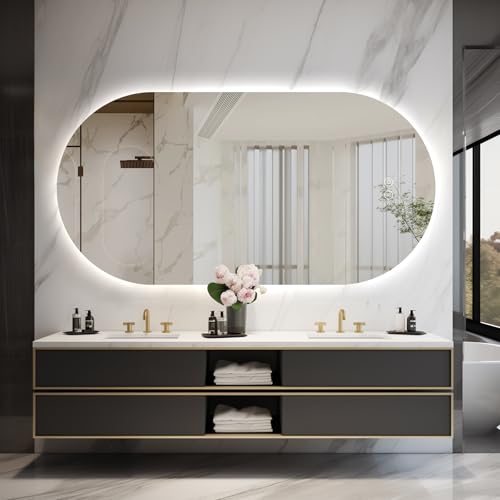
【Adjustable Smart LED Mirror】 Create the perfect ambiance for any moment. The touch-sensitive controls allow you to seamlessly adjust the color temperature from 3000K (warm) to 6000K (cool white) with a long press. Transform your space from a relaxing spa to a brightly lit vanity

PHANTOM, PHOTOCHROMIC LENS REVEAL THE INVISIBLE WITH THE BEST LENS IN THE MARKET Searching for a competitive advantage, superior protection, or an extraordinary visual experience? We thought so. That’s why we created Phantom, Bollé’s first photochromic lens with phenomenal optical clarity.
Advantages of Heating Pads for Fog Elimination

A variety of heating pads offer practical solutions for eliminating fog on mirrors, providing consistent temperatures between 95 and 105 degrees Fahrenheit to effectively prevent condensation. These anti-fog technology devices are energy-efficient, consuming only 15 to 60 watts, making them cost-effective for daily use. With a remarkable lifespan of up to 50,000 hours, heating pads outlast traditional anti-fog sprays, which require frequent reapplication. Their self-adhesive design allows for easy installation on the back of a bathroom mirror without the need for special tools. Homeowners can further enhance convenience by integrating these pads with motion sensors or timers, automating activation to optimize energy usage while ensuring the mirror remains consistently fog-free for an improved visual experience. Wall-mount bathroom sinks, known for their space-saving features, can complement the use of anti-fog heating pads by optimizing the bathroom’s layout and functionality.
Recommended Products

Fog-Free Clarity Every Time – Enjoy a crystal-clear reflection after every shower. This 30" x 40" Rectangular self-adhesive defogger prevents condensation buildup by gently...
Importance of Ventilation Systems

While many homeowners focus solely on anti-fog solutions for mirrors, the importance of proper ventilation systems cannot be overlooked, as these systems play an essential role in maintaining a clear and comfortable bathroom environment. Effective ventilation considerably reduces humidity levels, which helps prevent conditions conducive to mirror fogging. Research indicates that good ventilation can decrease moisture by up to 50%, enhancing indoor air quality while reducing mold and mildew risks. A well-designed ventilation system should achieve air exchange rates of at least 0.35 changes per hour. In addition, utilizing exhaust fans alongside heating solutions can remarkably reduce fog clearance time from 15 minutes to just a few. Consequently, incorporating ventilation systems greatly enhances the effectiveness of anti-fog solutions in humid environments. A quiet bathroom exhaust fan with sound levels below 1.0 sones can ensure a serene and effective ventilation experience, enhancing comfort and peace in your bathroom.
Recommended Products

Versatile Design for Different Window Types: This adaptable Window Exhaust Fan fits seamlessly into various home environments. Ideal for Sliding and Compact Spaces, its adjustable Teles feature accommodates Casement Windows, ensuring effective ventilation solutions. Enhance your indoor air quality while enjoying a comfortable living space with this functional and stylish fan.

High quality pure copper motor, durable and long service life. Strong wind force, allowing you to enjoy the powerful power and efficient performance of the blinds exhaust fan.
Secure Fit Design: The Retractable Window Exhaust Fan features an adjustable frame that fits standard window widths, ensuring a tight, gapless installation. This thoughtful design minimizes air leakage and maximizes stability, keeping the fan securely positioned even at high speeds, making it an ideal choice for effective ventilation in your home.
Comparing Effectiveness of Anti-Fog Solutions

When evaluating the effectiveness of various anti-fog solutions for mirrors, it is crucial to take into account distinct methodologies, operational characteristics, and long-term durability, as these factors greatly influence user satisfaction in high-humidity environments. Anti-fog coatings create a hydrophilic surface, which spreads water into a thin layer to enhance clarity, yet may degrade over time with cleaning. Conversely, heated mirrors, maintaining a temperature of 95-105 degrees Fahrenheit, actively prevent foggy appearances by using 20 to 50 watts continuously without needing much maintenance. While permanent coatings require reapplication only after significant degradation, heated mirrors necessitate regular checks of their heating elements to guarantee effective operation, showing how each solution offers unique benefits and potential limitations for users seeking lasting clarity. Additionally, high-efficiency showerheads are designed to optimize water flow and pressure, contributing to a more balanced and enjoyable shower experience while conserving resources, which can complement the use of anti-fog solutions in maintaining a pleasant bathroom environment.
Recommended Products

【Fully Pre-Assembled & Time-Saving】No assembly needed. This bathroom vanity with sink comes fully pre-assembled before shipping, including the cabinet, ceramic top, smart LED mirror cabinet, faucet, drain kit, and angle valve. Just unpack, mount it on the wall, and it's ready to use. Floating bathroom vanity set, No puzzling over parts – save hours of assembly time and frustration

【Fully Pre-Assembled Bathroom Vanity】This bathroom vanity with sink comes fully pre-assembled, saving you hours of installation time, complicated tools, and confusing instructions (saving you 8–10 hours). With responsive customer support and quick problem-solving, your experience with this bathroom sink and vanity combination will be smooth and satisfying

【Fully Pre-Assembled】Unlike semi-assembled bathroom vanity kits, this double sink bathroom vanity uses industrial-grade integrated construction. The cabinet arrives fully formed – no cutting or joining needed. Save 8-10 hours of DIY work with no complex tools or confusing instructions. This floating bathroom vanity fits American home installation habits, making it easy even for beginners
Applications in Various Industries
In various industries, the application of anti-fog solutions plays a critical role in enhancing visibility and safety, particularly in environments susceptible to moisture and temperature fluctuations. Anti-fog coatings are extensively employed in the automotive sector, considerably improving driver visibility by preventing fogged windshields, which is essential for safety during adverse weather. In healthcare, these coatings maintain clarity on surgical instruments and endoscopes, minimizing errors and promoting ideal patient care. Additionally, industrial and aerospace applications utilize anti-fog designs in control panels and cockpit displays. Heated anti-fog mirrors in hospitality settings provide guests with uninterrupted reflections, enhancing their experience. Overall, these solutions affirm their importance across diverse fields, demonstrating critical functionality and diverse applications in everyday life. In the realm of bathroom accessories, shower door seal strips effectively prevent water leakage, ensuring a dry and stylish environment which contributes to maintaining a clear view even in steamy conditions.
Frequently Asked Questions
Does Anti-Fog Coating Actually Work?
Anti-fog coatings often resemble a shield, enhancing visibility by preventing fog formation. Effectiveness comparisons reveal varied user testimonials, with successful application methods yielding longer-lasting results, despite potential wear from environmental factors and cleaning agents over time.
What Is an Anti-Fog Coating?
An anti-fog coating is a chemical treatment enhancing surface properties using materials like surfactants. Its effectiveness depends on application methods and exposure to cleaning agents, which can diminish performance over time.
How Does Anti-Fog Solution Work?
A cyclist relies on fog prevention methods to keep their helmet visor clear. Anti-fog solutions employ moisture control techniques like hydrophilic coatings, ensuring lens maintenance tips are followed for ideal visibility and safety during rides.
Is There a Permanent Anti-Fog Coating?
Yes, there are permanent anti-fog coatings available as long-lasting options. Commercial products often outperform DIY methods, providing effective, durable solutions. These coatings bond strongly to surfaces, ensuring consistent clarity with minimal maintenance needed over time.