As an Amazon Associate, we earn from qualifying purchases. Some links on this site are affiliate links at no extra cost to you. Our recommendations are based on thorough research and editorial judgment.


Tank Vs Tankless Water Heaters: How Each System Works

Tank water heaters store 30-80 gallons of preheated water, heating it using electricity or gas, with standby heat loss impacting efficiency. In contrast, tankless water heaters use heat exchangers to provide on-demand hot water, eliminating shortages and reducing energy costs considerably—by up to 34% for smaller households. While tank systems have a lifespan of 8-12 years, tankless models last 15-20 years. Understanding these features reveals essential information about choosing the right system for specific needs.
Key Takeaways
- Tank water heaters store 30-80 gallons of preheated water while tankless systems heat water on demand without storage.
- Tank water heaters can run out of hot water, whereas tankless units provide continuous hot water supply.
- Energy savings for tankless systems range from 24-34%, unlike tank systems which incur standby heat loss.
- Tankless water heaters typically have a longer lifespan of 15-20 years compared to 8-12 years for tank models.
- Initial installation costs for tankless systems may be higher, but they offer lower long-term operational expenses.
Understanding Tank Water Heaters
A tank water heater serves as a common household appliance designed to store and heat water for various domestic needs, holding between 30 to 80 gallons within an insulated tank. These devices utilize energy sources such as gas, propane, or electricity to heat cold water, ensuring hot water is readily available when needed. However, they can run out of hot water, necessitating time to refill and reheat the tank, which can impact household comfort. With a lifespan averaging 8 to 12 years, regular maintenance is essential; procedures include flushing the tank to eliminate sediment buildup, inspecting the temperature and pressure relief valve, and checking the anode rod to prolong functionality and manage operating costs effectively. In contrast, propane tankless water heaters offer on-demand hot water and are more energy-efficient, reducing utility costs significantly.
Recommended Products
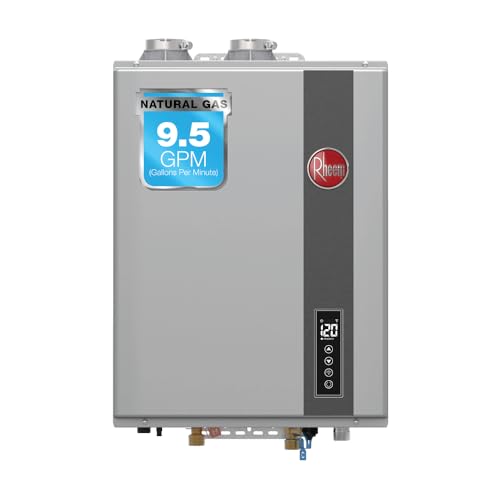
Delivers up to 9.5 GPM and 199,900 BTUs, supporting large homes with 3–4 bathrooms for simultaneous showers and appliance use without running out of hot water.

Commercial, Industrial, And Personal Use: Ideal for removing damp and moisture from Flood & Restoration, Carpet Cleaning, Basements/Cellars, Laundries, De-Flooding, up to 3,000 sq. ft... Built-in Pump. Drying work hard overnight or continuously for days at a time without you worrying about it.

Provides ample hot water for households with 3-5 people or homes with 3+ bathrooms
How Tank Water Heaters Operate

Heating water efficiently is the primary function of tank water heaters, which operate by allowing cold water to enter a storage tank that typically holds between 30 to 80 gallons. These systems utilize various energy sources, such as natural gas, propane, or electricity, to heat water in advance, keeping it ready for immediate use. Once heated, the water is maintained at a preset temperature, but this leads to standby heat loss, which can constitute about 10-15% of overall heating costs. The typical lifespan of a tank water heater ranges from 8 to 12 years, necessitating regular maintenance to prevent issues like sediment buildup and potential leaks, ensuring reliable performance over time while minimizing long-term expenses. Modern electric water heaters offer improved energy efficiency with self-modulating technology, which optimizes energy use and reduces standby losses.
Recommended Products

Intelligent control system with LCD display

Intelligent control system with LCD display

Meets or exceeds the thermal efficiency and/or standby loss requirements
Overview of Tankless Water Heaters

Tankless water heaters revolutionize the way residential hot water is supplied, utilizing advanced technology to heat water on demand without the need for a bulky storage tank. By activating a heat exchanger, these systems provide hot water at consistent flow rates, meeting household demands efficiently. Available in both gas and electric models, gas units generally yield higher flow rates than their electric counterparts. Homeowners can enjoy significant energy savings, typically ranging from 24% to 34% on their energy bills, translating to annual savings of $100 to $200. With a lifespan of approximately 15 to 20 years, these systems require less maintenance, though regular descaling may be necessary to combat mineral buildup, particularly in hard water regions. Energy Efficiency Ratings for modern tankless units can indicate potential reductions in electricity consumption, making them a cost-effective choice for reducing energy bills.
Recommended Products
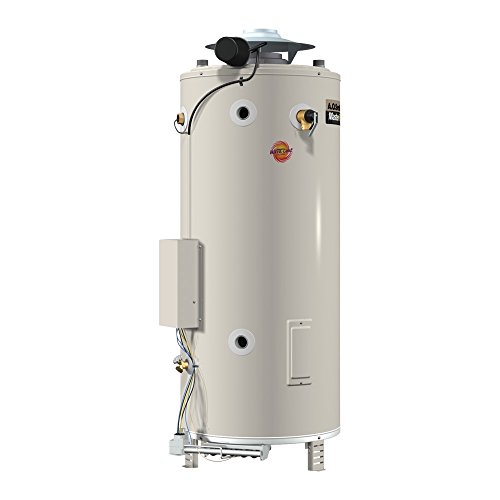
Meets or exceeds the thermal efficiency and/or standby loss requirements

Discontinued. Please see new model EX38DTN
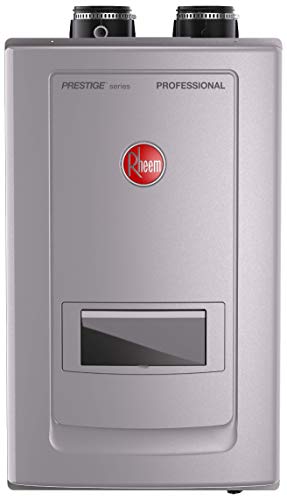
Hot water without the wait - or the waste
How Tankless Water Heaters Function

In order to provide an efficient hot water supply, the functioning of tankless water heaters relies on advanced technology that heats cold water directly as it moves through the unit. A heat exchanger plays an essential role in this process, quickly warming the water when a hot water faucet is turned on. This method allows for a continuous supply of hot water without the need for a storage tank. Tankless water heaters typically have an output flow rate ranging from 2 to 5 gallons per minute, with gas-fired units generally offering higher rates than electric models. To guarantee long-term efficiency and to prevent issues like mineral buildup, regular maintenance, including descaling and periodic flushing, is highly recommended for peak performance. Additionally, some models incorporate advanced temperature controls to optimize user comfort and safety.
Recommended Products

175,000 max input (BTU)

Condensing Technology for Greater Efficiency and Significant Energy Savings

Endless hot water, On-demand usage, Compact, Space saving, Energy conservation
Key Differences in Operation

Often overlooked, the operational differences between tank and tankless water heaters profoundly influence consumers’ choices, particularly regarding efficiency and convenience. Tank storage water heaters heat cold water in a storage tank, typically holding 30 to 80 gallons, and maintain it at a set temperature. When hot water is needed, these systems draw from the preheated supply, often running out during high-demand periods until the tank refills and reheats. In contrast, tankless models heat water on demand as it flows through a heat exchanger, allowing for a continuous supply of hot water. Utilizing either gas models or electric elements, tankless heaters can heat water at a rate of 2 to 5 gallons per minute, typically providing quicker access without storage limitations. For those interested in enhancing their bathroom experience alongside heating upgrades, considering high-pressure designs in shower accessories can contribute to an overall luxurious and efficient home environment.
Energy Sources for Both Systems
When considering energy sources for water heaters, both tank and tankless systems present various options that greatly influence their efficiency and overall operational costs. Gas models, often preferred for their higher flow rates, may suit larger households with greater hot water demands. Conversely, electric tank models tend to be cheaper to install but might result in increased operating costs due to fluctuating energy prices and extended recovery times. Additionally, tankless systems powered by gas typically have more complex water heater installation due to necessary venting requirements, raising overall costs. The availability of fuel types, whether natural gas, propane, or electricity, plays a significant role in determining both the performance and overall efficiency of the selected water heater type. High flow rates of around 6 GPM are a key feature in many modern bathroom fixtures, optimizing water usage efficiency.
Efficiency Considerations
Efficiency considerations represent a key aspect in the evaluation of tank versus tankless water heaters, as these systems exhibit distinct performance characteristics that directly influence both energy consumption and cost-effectiveness. Tankless water heaters provide significant energy efficiency by eliminating standby heat loss, typically ranging from 10-15% in traditional tank systems. Their on-demand heating capability results in 24-34% less energy use for households utilizing 41 gallons or less daily, translating into average annual energy savings of $100 to $200. In addition, tankless models generally offer a longer lifespan of 15-20 years compared to 8-12 years for their traditional counterparts, leading to reduced operational costs and replacement expenses, thereby better accommodating household needs and enhancing overall financial viability over time. Additionally, energy-efficient water heaters like the Rinnai RX199iN achieve an impressive UEF rating of 0.98, which significantly reduces energy bills by optimizing performance and minimizing waste.
Application Scenarios for Each Type
How can households determine the most suitable type of water heater for their specific needs? Tank water heaters are advantageous for larger families needing hot water daily, as they provide a continuous supply capable of serving multiple people simultaneously. Conversely, tankless water heaters are beneficial for smaller households with moderate usage, offering instant hot water on demand and eliminating the risk of running out, coupled with a compact design for limited spaces. Installation costs may vary, often favoring tanks for high-demand scenarios. Additionally, tankless systems excel in long-term energy efficiency, reducing energy expenses by 24-34% over their lifespan, lasting up to 20 years compared to 10-12 years for traditional tanks, making them a wise investment for future savings. For those considering eco-friendly options, solar water heaters offer significant reductions in energy bills and align with sustainability goals, though they may require a higher initial investment.
Recommended Products

A REFRESHING CLEAN - Gentle yet powerful rear and front oscillating warm water cleansing; Adjustable temperature and pressure settings; Warm air dryer; Automatic air deodorizer uses powerful filters to neutralize odors.


Frequently Asked Questions
Is It Better to Have a Tank or Tankless Water Heater?
Choosing between a tank or tankless water heater depends on factors like household size, installation costs, energy efficiency, maintenance requirements, and water flow. Tankless units offer better longevity and environmental impact, while tanks suit larger spaces.
What Are Two Disadvantages of a Tankless Water Heater?
Two disadvantages of tankless water heaters include high initial costs and complex installation processes, impacting overall affordability. Additionally, lower water flow rates can hinder user experience during peak usage, complicating energy efficiency and maintenance requirements.
Will My Electric Bill Go up With a Tankless Water Heater?
In the domain of energy, a dragon of high bills often lurks. Yet, a tankless system, despite its initial cost, promises enhanced energy efficiency and potential savings, depending on usage patterns and maintenance needs, mitigating the dragon’s roar.
Can I Take a Long Shower With a Tankless Water Heater?
A tankless water heater allows for extended shower durations due to continuous flow and heating speed, but hot water capacity and size limitations may impact multiple users. Proper installation and maintenance improve energy efficiency and long-term savings.


