As an Amazon Associate, we earn from qualifying purchases. Some links on this site are affiliate links at no extra cost to you. Our recommendations are based on thorough research and editorial judgment.


Water Heater Safety: TPR Valves, Pans, and Seismic Straps

Water heater safety depends on the effective function of TPR valves, drain pans, and seismic straps. TPR valves, releasing pressure at 150 psi or above 210°F, are essential to prevent explosive pressure buildup. Drain pans, at least 1½ inches deep and made from corrosion-resistant materials, catch leaks, while their discharge pipes must be a minimum of ¾ inches in diameter. Seismic straps, required in earthquake zones, secure the heater to prevent tipping. Further insight into compliance and maintenance practices can enhance safety and efficiency.
Key Takeaways
- TPR valves prevent dangerous pressure and temperature buildup, requiring maintenance and replacement every five years to ensure safety.
- Drain pans catch leaks to prevent extensive water damage and must meet specific depth and drainage requirements.
- Seismic straps are essential in earthquake-prone areas to prevent water heater tipping, installed according to precise guidelines for safety.
- Compliance with California Plumbing Code ensures the proper installation of TPR valves, drain pans, and seismic straps to enhance safety and efficiency.
- Professional installation and regular maintenance are crucial for the safe operation and longevity of water heaters, adhering to local plumbing codes.
The Importance of TPR Valves in Water Heater Safety
Temperature and Pressure Relief (TPR) valves are crucial components in ensuring the safety of water heaters, effectively preventing dangerous pressure and temperature build-up that could result in catastrophic failures. These safety devices automatically release excessive pressure or high temperatures, triggered when thresholds of 150 psi or 210°F are reached. Proper installation is critical; TPR valves must not connect to other relief devices, ensuring direct discharge. Sizing must align with the water heater’s input rating, while discharge pipes require approved materials, terminating 6-24 inches above ground for clear visibility. Regular maintenance, through lever testing and timely replacements every five years, is essential for their function, preventing failure during thermal expansion. Compliance with safety regulations is paramount, avoiding non-compliant substitutes like high PSI pressure-reducing valves. A full port design in shut off valves allows for faster drainage and minimizes the risk of clogging, enhancing the overall safety and efficiency of water heater systems.
Recommended Products
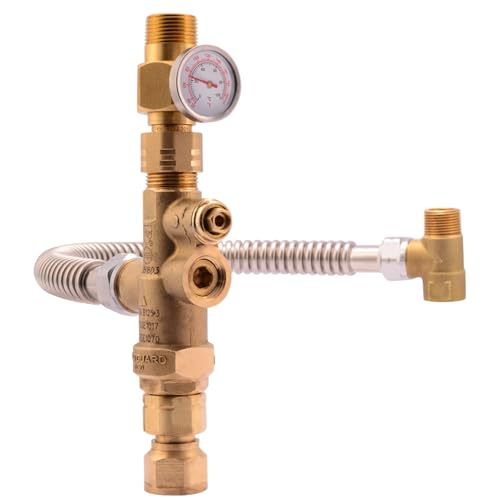
HOT WATER TANK BOOSTER: Water heater booster with temperature actuated mixing valve and gauge mixes hot water with cold to deliver tempered water at a controlled temperature; works with gas, power vent, electric, and tankless heaters

【Rapid Heating & High Efficiency】Equipped with a high-performance heating element 1440W that achieves up to 99% thermal efficiency, this water heater ensures instant hot water in just 6-8 minutes. Whether you need it for rinsing dishes or washing hands, the adjustable temperature range (86°F up to 167°F) gives you precise control for the perfect comfort—eliminating the long wait for hot water under the sink.

Note : This is a gas control valve and should be installed by a professional and not by homeowner as that potentially voids any warranty by not including professional installation.
Understanding Drain Pans and Their Role in Protection

Following the discussion on TPR valves, understanding the role of drain pans offers another layer of protection for water heaters, especially in areas where leaks could cause extensive damage. Drain pans are designed to catch leaks, preventing water damage in sensitive locations such as attics or closets. These pans must be at least 1½ inches deep and constructed from durable, corrosion-resistant materials to guarantee long-term effectiveness. The discharge piping connected to the pan should have a diameter of no less than ¾ inch to facilitate proper water flow and avoid overflow situations. Proper installation requires drain pans to terminate into an adequate drainage system, enabling safe water disposal. Regular inspections and maintenance are essential to detect potential leaks before they escalate into significant problems. A water heater drain pan is an effective tool for leak management, capturing leaks efficiently to prevent costly water damage in your home.
Recommended Products
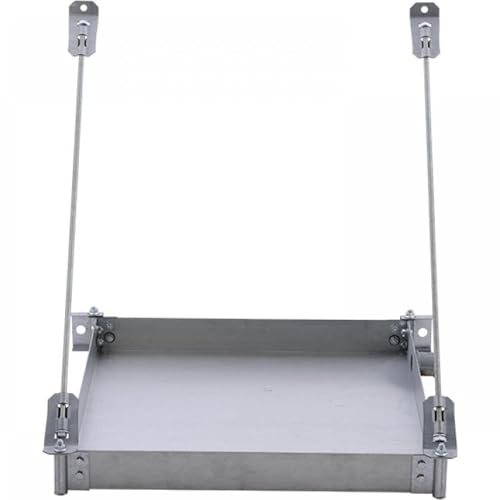
WATER HEATER WALL MOUNT: Hot water heater stand is ideal for suspending water heaters in schools, offices, restaurants, and small businesses; pre-assembled and watertight

COMPLETE OIL FILTERING STARTER KIT - MirOil's 30-liter (6-gallon) oil disposal caddy with secure lid lock is your all-in-one deep fryer oil storage and filtration solution. Designed for restaurants, catering businesses, and commercial kitchens, this starter kit includes everything needed to keep fryer oil clean, extend oil life, and reduce disposal costs while improving fried food quality.

【Safety Protection】: Rounded edges protect your hands from sharp cuts. Easy to carry and use for daily use, it's safer and more reliable during cleaning, eliminating unnecessary hassles
Seismic Straps: Preventing Tipping During Earthquakes

Seismic straps are an essential safety feature for water heaters, particularly in regions prone to earthquakes, as they effectively secure the tank and prevent it from tipping over during seismic events. These straps should be installed in two key locations: the upper and lower third of the tank. The lower strap must be at least four inches above the water heater’s controls to maintain functionality for sensitive components. Proper placement of seismic straps guarantees that the integrity of control equipment is protected, thereby reducing the risk of leaks or damage during shaking. Following guidelines from the Plumbing Code, using specifically designed fasteners and materials optimizes the safety of water heater installations, considerably mitigating the risk of tipping during earthquakes. Incorporating shower filters can significantly improve health by reducing exposure to harmful chemicals, which complements the safety measures implemented by seismic straps.
Recommended Products

Item:-Water Heater Straps

Safety:If you need to install a water heater expansion tank and are worried that the expansion tank is too heavy and unsafe, you can use our water heater expansion tank, this water heater expansion tank mounting bracket can directly and securely install a water tank up to 80gallon water tank in the location where you want to place the tank, the water heater bracket makes the water heater safer to use.

HOLDRITE WATER HEATER RESTRAINT STRAPS: Water heater earthquake/seismic restraint kits secure your water heater in the event of seismic activity
Key California Plumbing Code Regulations

In California, specific plumbing regulations govern the safe installation and operation of water heaters, ensuring they function effectively while minimizing safety hazards. Temperature and Pressure Relief (TPR) valves must be appropriately sized according to the water heater’s input rating to prevent dangerous pressure build-up. The discharge pipe from TPR valves must be constructed from approved materials, terminating between 6 to 24 inches above the ground for safe drainage. Additionally, water heater pans need to be at least 1½ inches deep, with a drainage line of a minimum ¾ inch in diameter. Seismic straps are mandatory, requiring one strap in the upper third and another in the lower third of the tank, profoundly enhancing stability during seismic events. Many energy-efficient water heaters lead to reduced energy bills and lower carbon footprints, promoting sustainability and energy conservation.
Risks Associated With Improperly Installed Water Heaters

Improperly installed water heaters present significant risks, particularly when critical components such as Temperature and Pressure Relief (TPR) valves are not configured correctly. When TPR valves are improperly installed, dangerous water pressure can build up, leading to potential tank bursts that pose risks of significant water damage and personal injury. Additionally, configurations that involve tying multiple TPR valves together can violate safety regulations, further complicating emergency pressure relief. Failure to discharge TPR water properly through an air gap can result in flooding, damaging surrounding structures. Moreover, neglecting seismic strap placement increases the likelihood of the tank tipping during earthquakes, causing catastrophic spills or gas leaks. Regular testing and maintenance of TPR valves is essential to detect these hidden and hazardous failures. Integrating mixing valves with scald protection into the plumbing system can further enhance safety by maintaining water temperatures at safe levels, reducing the risk of burns.
Essential Components for Optimal Water Heater Safety
Ensuring ideal water heater safety involves a thorough understanding of key components that contribute to a reliable and secure operation. Temperature and Pressure Relief (TPR) valves are vital as they activate at pressures exceeding 150 psi or temperatures above 210°F, preventing hazardous pressure buildup. Properly constructed discharge pipes, which must flow by gravity and adhere to specified termination heights, protect against system failures. In areas prone to leaks, drain pans are imperative, requiring a minimum depth of 1½ inches and a drainage line with at least a ¾-inch diameter to manage potential leaks effectively. Additionally, seismic straps secure water heaters against tipping during earthquakes, with strategic placement guidelines ensuring a safe installation that minimizes disaster risks. PVC wall panels, with their waterproof materials, can be an excellent choice for areas around water heaters, providing durable and low-maintenance protection against moisture-related issues.
Recommended Products

Industrial Performance: Easy-to-start with its CRX 420 direct drive engine, this hot-water gas powered pressure washer is perfectly suited to power wash the toughest grease and oil stains from industrial equipment, factory floors, and fleet vehicles
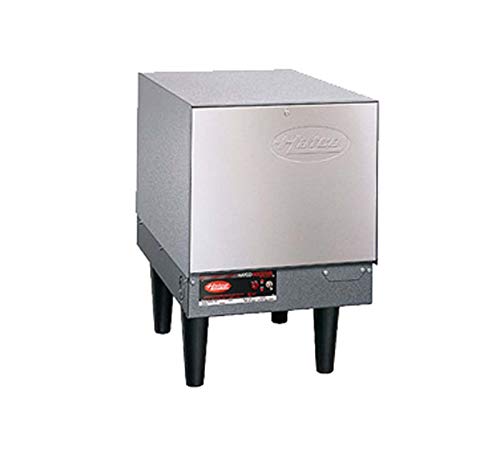
Compact Booster Heater - 15 KW - 208 Volt/3 Phase

Simple 110V/115V Plug-and-Play Setup: No electrician required, simply plug into a standard 110V/115V outlet and enjoy — perfect for patios, backyards, and small outdoor spaces.
Maintenance Tips for Longevity and Safety
While many homeowners appreciate the convenience of a water heater, recognizing the importance of regular maintenance is crucial to guarantee longevity and safety. Regularly testing the Temperature and Pressure Relief (TPR) valves involves lifting the lever to confirm proper spring response, preventing dangerous pressure buildup. Flushing the water heater annually to remove sediment buildup enhances heating efficiency and reduces the risk of tank corrosion. Inspect the TPR discharge pipe, confirming it is constructed from approved materials and terminates safely between 6-24 inches above ground. For closed plumbing systems, installing a thermal expansion tank absorbs excess pressure, relieving strain on the water heater. Additionally, regularly check seismic straps, confirming one is positioned in the upper third and another in the lower third of the tank for stability. Automatic air fresheners present low maintenance fragrance solutions, ideal for busy households looking to keep spaces smelling fresh without manual intervention.
Identifying and Addressing Common Safety Hazards
Regular maintenance of water heaters not only prolongs their lifespan but also safeguards households from potential hazards that may arise from neglect. TPR valves, which are critical for managing temperature and pressure, can pose serious dangers if malfunctioning, particularly if multiple valves are improperly connected. Moreover, discharge piping must use approved materials and terminate between 6-24 inches above ground level to mitigate risks associated with hot water leaks. Additionally, seismic straps need to be installed in the bottom and upper thirds of the tank, positioned at least 4 inches from controls to avoid interference. Compliance with safety codes is essential, as improper installation of drainage pans can lead to unnoticed leaks, resulting in costly water damage or rust issues. One way to ensure safety and efficiency is by choosing electric tankless water heaters that offer advanced safety features and energy-saving capabilities.
Enhancing Energy Efficiency Through Proper Installation
When water heaters are properly installed according to Title 20 and Title 24 standards, they can greatly enhance energy efficiency, making homes more cost-effective and reducing their carbon footprint. Compliance with these standards improves the Uniform Energy Factor (UEF), which minimizes energy waste. Utilizing approved materials for T&P valves and discharge piping, such as galvanized steel, minimizes heat loss and guarantees effective venting. Proper installation includes effective drainage pans in at-risk areas, preventing leaks that could lead to costly repairs. Adequate clearance in seismic zones not only enhances safety but also supports peak functioning. Regular maintenance, encompassing sediment flushing and valve testing, sustains efficient operation, ultimately heightening energy efficiency and prolonging the lifespan of water heating systems. Flow rates exceeding 2.5 GPM are recommended for effective simultaneous hot water supply, which is crucial for maintaining efficiency in larger households.
Professional Installation: Why It Matters for Safety and Compliance
Professional installation of water heaters is essential for ensuring both safety and compliance with local regulations, as improper setups often result in hazardous conditions and inefficiencies. Licensed plumbers have the expertise necessary to properly configure TPR valves and seismic straps, both critical for managing pressure and safeguarding against seismic activity. Inadequate installation practices, such as utilizing flexible piping or improperly combining relief devices, can lead to significant safety hazards that a qualified plumber can mitigate. Following local plumbing codes and manufacturers’ specifications enhances overall system efficiency and maintains warranty protections. Additionally, certified professionals conducting regular inspections can identify compliance issues early, ensuring that essential safety components, like TPR valves and expansion tanks, function correctly in adherence to evolving safety standards. Furthermore, having a dedicated 240V electrical supply is crucial for the optimal operation of modern tankless water heaters, as it ensures energy efficiency and performance.
Frequently Asked Questions
What States Require Seismic Straps for Water Heaters?
California regulations mandate seismic straps for water heaters due to earthquake preparedness. Similar building codes exist in Alaska and Washington, emphasizing seismic safety for homes in regions prone to seismic activity, ensuring units remain secure during earthquakes.
What Is a Tpr on a Water Heater?
The TPR valve serves as both protector and sentinel in water heaters, preventing dangerous pressure buildup through efficient installation. Regular maintenance guarantees proper function, balancing safety against potential hazards, reflecting its critical pressure management role.
What Is the Purpose of Installing Seismic Straps for a Water Heater?
Seismic straps enhance water heater stability during earthquakes, adhering to installation guidelines and local regulations. These straps minimize risks of tipping, prevent equipment damage, and comply with safety requirements to protect homes effectively from seismic activity hazards.
Do Electric Water Heaters Need Earthquake Straps?
Electric water heaters indeed require earthquake straps, weaving layers of earthquake preparedness into plumbing safety, enhancing water heater stability. Insurers often favor such measures, recognizing their role in safeguarding homes and minimizing disaster-related claims.


