As an Amazon Associate, we earn from qualifying purchases. Some links on this site are affiliate links at no extra cost to you. Our recommendations are based on thorough research and editorial judgment.


Trap Types Explained: P-Trap, Bottle Trap, and Codes

Plumbing traps, essential in drainage systems, include P-traps and bottle traps. P-traps, shaped like a U, effectively manage heavy water flow and comply with building codes, typically made from PVC or metal materials. In contrast, bottle traps, with a cylindrical design, fit compact spaces but may face compliance issues due to limited capacity. Proper installation requires a slight slope, secure connections, and regular maintenance to prevent odors and clogs. More details on installation processes and maintenance can be revealed further.
Key Takeaways
- P-Traps are U-shaped and efficient for drainage while maintaining indoor air quality, complying with building codes.
- Bottle Traps feature a compact design and polished finish but may not meet modern codes due to maintenance challenges.
- Drum Traps have become less common due to their complexity in cleaning, while S-Traps are discouraged for potential siphoning issues.
- Proper installation requires a downward slope and secured connections to prevent leaks and maintain trap effectiveness.
- Regular maintenance, including cleaning and inspections, is essential to prevent odors, slow drainage, and ensure functionality of traps.
What Is a Plumbing Trap?
A plumbing trap is an essential component of modern drainage systems, designed to prevent the escape of unpleasant odors and harmful gases from sewer lines into living spaces. Typically located below fixtures like sinks and toilets, traps retain a small amount of water, creating a water seal that effectively blocks sewer gases. The most common type, the P-trap, has a distinctive curvature that allows it to function efficiently. In contrast, bottle traps, although compact, may not comply with contemporary plumbing codes. Proper installation and routine maintenance are critical, as a malfunctioning plumbing trap can lead to drainage issues and health risks associated with gas exposure. Regular cleaning is recommended to prevent buildup and ensure effective performance of these traps. Understanding these traps guarantees safe and sanitary home environments while adhering to established regulations.
How Does a Plumbing Trap Work?

Understanding how a plumbing trap operates reveals the intricate mechanics behind a seemingly simple device, which plays an essential role in maintaining the hygiene of a home. A plumbing trap retains a small volume of water, creating a seal that prevents sewer gases from infiltrating living spaces. As wastewater drains, this water barrier blocks odors and harmful gases. Various trap types exist, such as P-traps and bottle traps, both utilizing the same fundamental principle, yet differing in design and maintenance needs. The effectiveness of these traps relies heavily on proper venting and the installation of components like air admittance valves. When water evaporates due to lack of use, the trap may fail, requiring routine maintenance to avoid plumbing issues. It is crucial to ensure that the pressure balancing features of your plumbing system are functioning correctly to maintain a safe and efficient water flow.
Common Types of Plumbing Traps

Plumbing traps serve a significant function in residential systems, with various types designed to meet specific needs and constraints. The most prevalent, P-traps, possess a U-shaped configuration that effectively maintains a water seal, preventing sewer gases from entering living spaces. Conversely, bottle traps offer a compact alternative for tight spaces but fall short of building codes due to risks of hidden failures that may allow gas passage. While drum traps were once utilized for bathtubs, their complex cleaning requirements have led to their decline in new constructions. S-traps, although historically noted, are discouraged by modern plumbing codes due to potential siphoning issues that can compromise the water seal, making adherence to plumbing regulations essential for health and safety. Round mirrors are popular in bathroom decor due to their aesthetic appeal and ability to enhance ambient light, which can make areas feel larger and brighter.
Recommended Products

Durable construction stands up to tough environments
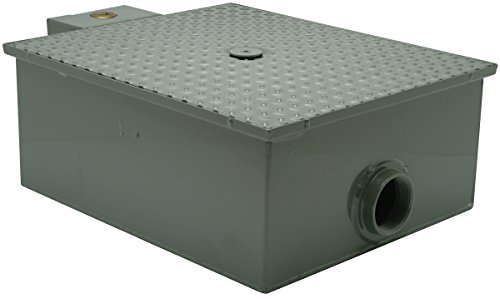
Durable construction stands up to tough environments

P-Trap: Design and Functionality

The P-trap, characterized by its unique P shape, plays an essential role in modern drainage systems, effectively creating a water seal designed to block harmful sewer gases from infiltrating living areas. This component consists of a curved pipe that allows for efficient drainage while ensuring the water seal remains intact. Commonly made from materials such as PVC, ABS plastic, or metals like chrome or brass, P traps are typically installed behind cabinetry, maintaining aesthetics without compromising space. Their design can manage heavy water flow effectively, making them ideal for various plumbing fixtures like kitchen and bathroom sinks. Importantly, their use complies with building codes, which help safeguard indoor air quality by preventing foul odors from permeating living spaces. Acrylic shower walls, with their non-porous surfaces, are similar to P-traps in that they prevent the buildup of mold and bacteria, ensuring a hygienic environment.
Recommended Products

E-CAP321 Thermoplastic Vent Cap for PVC and ABS Vent Pipes: The E-Cap is a hemispherical thermoplastic cover that can be easily installed over the open end of a high-efficiency gas furnace PVC or ABS flue pipe. Exterminators everywhere are installing E-Caps to protect PVC and ABS vent and flue pipes from debris and small animals such as birds, squirrels, rodents, tree frogs, and even snakes!

Dimensions: 60 inches L x 32 inches W x 4 inches H, featuring a side drain. Please confirm drain location for proper alignment before purchase.
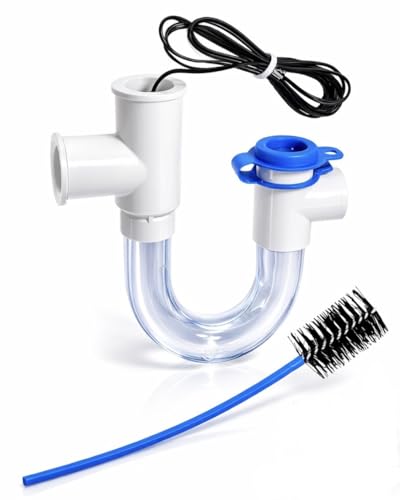
* Smarttrap Float Switch adds an extra level of security low voltage normally closed shuts down the system when clogged.
Bottle Trap: Design and Functionality
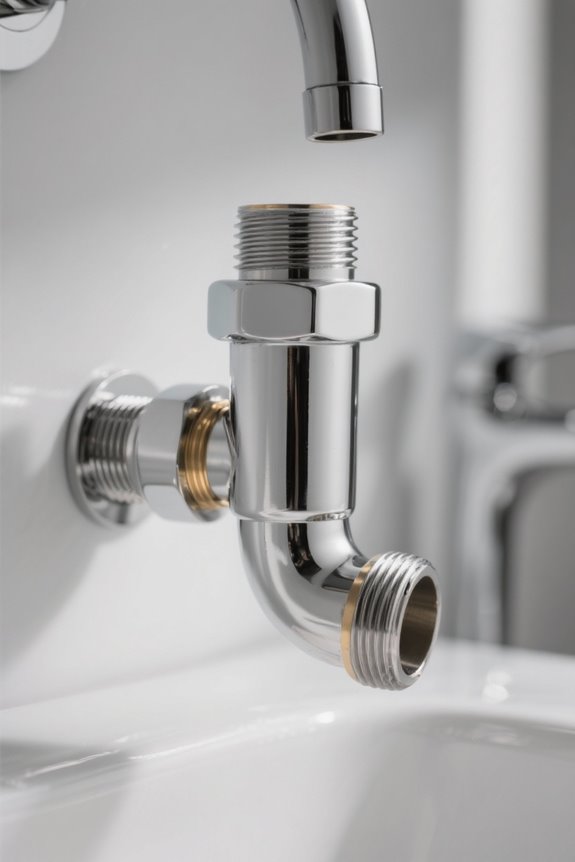
Compact and functional, the bottle trap is ingeniously designed to meet the needs of modern bathrooms where space is at a premium. Featuring a cylindrical shape reminiscent of a baby bottle, this trap retains water in its chamber, effectively forming a barrier against sewer gases, thereby ensuring indoor air quality. Its compact design allows for convenient installation under sinks, frequently found in bathrooms with limited space. Additionally, bottle traps are aesthetically appealing, often available in polished finishes like chrome or brushed brass, making them suitable for visible applications. However, maintenance can be challenging due to limited internal volume, potentially restricting cleaning and debris removal. While bottle traps are useful, they may also violate modern building codes, raising concerns over hidden failures. Some of the best motion sensor trash cans feature efficient battery life allowing for over 40,000 openings per battery set, which enhances convenience in waste management.
Recommended Products

Quick Overview of Our Upgraded Smart Features: The upgraded CANEST smart bidet toilet delivers a whole new level of modern comfort, including ultra micro bubble rear and feminine wash, foam shield splash protection, 0.1s instant warm water, and automatic seat and water temperature adjustment based on room temperature. Built with a tank system delivering a powerful 1000g MaP flush that ensures thorough, clog-free cleaning every time.
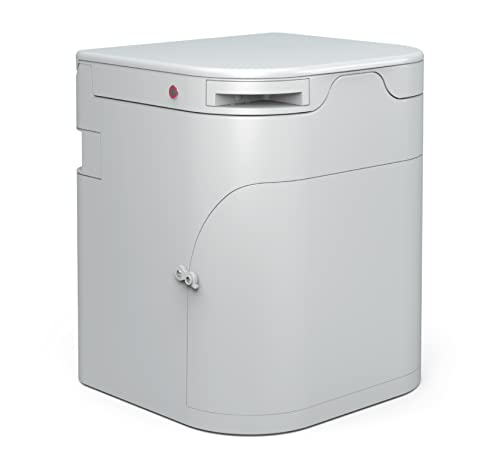
SMALLEST FOOTPRINT FOR TIGHT BUILDS (15"x16") Designed for Sprinter/Transit vans, tiny homes & boats where space is everything. The OGO fits corners other composting toilets can’t—no bulky side crank, no redesigning your bathroom. More legroom, cleaner layout, modern appliance look.

Offers a decorative alternative to the traditional P-trap fittings in the exposed area under the lavatory
Key Differences Between P-Traps and Bottle Traps
Understanding the distinctions between P-traps and bottle traps is essential for anyone involved in plumbing or home improvement. P-traps feature a U-shaped design that guarantees a deeper water seal, effectively blocking sewer gases and complying with plumbing codes. In contrast, bottle traps possess a compact design, making them suited for tight spaces and aesthetically pleasing, but they fail to meet modern building standards. While P-traps facilitate ideal drainage and are easier to maintain due to their effective structure, bottle traps can obstruct proper flow and complicate cleaning, as their limited internal volume collects debris. Consequently, for reliable performance and adherence to safety regulations, P-traps are generally the preferred choice in drain installations. Additionally, ensuring that bathroom lighting fixtures have energy-efficient LED bulbs with a high Color Rendering Index (CRI) can enhance the visual appeal and functionality of the space.
Why Plumbing Traps Are Legally Required
Legally required in most building codes, plumbing traps play a critical role in preserving indoor air quality by preventing harmful sewer gases from infiltrating living spaces. These traps create a water seal, effectively blocking odors and toxic gases from entering the home through the drainage system. Compliance with safety standards is essential, ensuring that traps are designed to meet specific requirements, such as adequate flow capacity and self-scouring abilities to prevent blockages. While bottle traps are space-efficient, they often lack code-compliance due to design flaws that could allow gas passage. Additionally, regular inspections and maintenance are critical, particularly in jurisdictions where bottle traps are installed, reflecting a commitment to safety and sanitation in plumbing systems. Additionally, PVC wall panels are crafted from durable materials that reduce waste and support eco-friendly renovation efforts.
Installation Processes for P-Traps and Bottle Traps
Installing P-traps and bottle traps requires careful attention to detail and proper technique to guarantee peak functionality and prevent leaks. For P-traps, the installation begins by aligning the trap with the basin’s waste outlet, ensuring it maintains a slight downward slope for ideal drainage. Connections are secured with a compression nut and washer, emphasizing compatibility with the outlet configuration. In contrast, bottle trap installation involves connecting the trap to the basin outlet similarly, but allows for necessary height adjustments in confined spaces. Essential to both methods is tightening all connections to avoid leaks, followed by a thorough leak test. Proper installation greatly eases future maintenance, promoting convenient access for cleaning and ensuring efficient water flow. When selecting a repair kit for a toilet flange, corrosion resistance is crucial to ensure longevity and durability, especially in harsh bathroom environments.
Recommended Products

Solid brass construction

1.25" Inlet and Outlet Size: Designed to fit standard 1.25" diameter plumbing pipes for both the inlet and outlet, providing a secure and seamless connection.

High-Quality Material:Made of high-quality brass material,Sturdy Construction with champagne bronze electroplating surface. Rust-proof, durable,low maintenance, guarantees worry-free bathroom experience for years.
Maintenance and Cleaning Best Practices
Effective maintenance and cleaning of P traps and bottle traps are vital practices for preserving the efficiency of plumbing systems in residential settings. Regular maintenance includes cleaning the interiors of these traps to prevent standing water, which can lead to foul odors and clogs. Homeowners should periodically flush P traps with hot water to dissolve grease, while bottle traps may require a flexible brush for internal access. It’s important to inspect the seals and connections of both trap types for leaks, ensuring that any loose fittings are tightened to prevent water damage. Addressing any signs of slow drainage or persistent odors will help maintain peak function and hygiene within the plumbing systems, ultimately extending the lifespan of these critical components. Regular inspections and cleaning of toilet flappers can prevent issues associated with continuous running water, which is a common sign of flapper deterioration.
Signs Your Plumbing Trap Needs Replacement
While plumbing traps are designed to last for several years under normal usage conditions, certain signs indicate that replacement may soon be necessary. A persistent foul odor emanating from the drain often signifies a malfunctioning trap, suggesting it may need to be replaced to restore a proper seal. Furthermore, slow drainage or frequent backups can point to a failing trap, which warrants inspection and potential replacement to guarantee maximum water flow. Visible corrosion, such as cracks or rust, can compromise a trap’s integrity, necessitating replacement. Additionally, recurring clogs despite regular maintenance may suggest internal structural failure. Frequent adjustments or repairs could also indicate the trap has reached the end of its usable life and should be replaced to mitigate plumbing issues. For enhanced safety and stability in wet environments, consider using non-slip rubber backing bath mats to prevent slips and falls.
Recommended Products


Two 1/2"-14 NPT inlet x 3/8" O.D. comp quarter turn angle stop valves

Contemporary design offers an attractive alternative to traditional P-trap fittings.
Frequently Asked Questions
What Is the Difference Between a Bottle Trap and a P-Trap?
A performance comparison reveals that P-traps, complying with plumbing codes, offer superior drainage and maintenance advantages. In contrast, bottle traps, while aesthetically pleasing and ideal for tight spaces, face common issues including odor escape and more difficult upkeep.
Do Bottle Traps Meet the Code?
Bottle traps do not meet plumbing regulations due to common issues such as ineffective self-scouring and potential sewer gas leaks. Alternative trap options are recommended, emphasizing proper materials and maintenance tips for reliable trap installation.
What Is the Code for Bottle Traps?
Bottle traps generally fail to meet residential plumbing codes due to their materials and design, lacking compliance with bathroom plumbing standards and trap performance regulations, which prioritize efficient waste disposal systems and proper plumbing installation guidelines.
Are There Different Types of P-Traps?
There are various types of P-traps, differing in materials, sizes, and designs. Their benefits include preventing leaks and facilitating maintenance, with installation options available. Alternatives exist, but P-traps are often preferred for reliable plumbing solutions.


