As an Amazon Associate, we earn from qualifying purchases. Some links on this site are affiliate links at no extra cost to you. Our recommendations are based on thorough research and editorial judgment.


Accessible Bathing Options: Benches and Transfer Considerations

Accessible bathing options, such as tub transfer benches, play a critical role in enhancing safety for individuals with mobility challenges by minimizing slip and fall risks. These benches typically support weights between 250 and 300 pounds, with bariatric models exceeding 400 pounds. Adjustable heights can improve comfort and usability, while durable, water-resistant materials guarantee longevity. Some designs feature commode openings for hygiene ease, making them versatile. Exploring the various options available can provide ideal solutions tailored to individual needs.
Key Takeaways
- Tub transfer benches enhance safety and independence for individuals with mobility challenges, minimizing slip and fall risks.
- Choose benches that fit the tub dimensions, with weight capacities ranging from 250 to over 400 pounds for bariatric options.
- Opt for adjustable height benches and those with backrests for added comfort and ease during transfers.
- Consider padded versus non-padded options based on skin sensitivity, with some benches featuring commode openings for added convenience.
- Incorporate safety features like grab bars, slip-resistant surfaces, and regular inspections to maintain a safe bathing environment.
Understanding the Importance of Accessible Bathing Options
Accessible bathing options play an essential role in enhancing safety and independence for individuals with mobility challenges, particularly as these products are designed to minimize the risks associated with slips and falls in wet environments. Transfer benches, often equipped with safety features like adjustable heights and non-slip surfaces, provide stable support for users when entering and exiting bathtubs. Most models accommodate weights up to 300 pounds, ensuring a broad range of suitability, while heavy-duty variants offer enhanced stability for those requiring additional support. Padded seats also increase comfort, particularly for users with sensitive skin. A consultation with an occupational therapist is advisable, as it can help individuals select the most appropriate accessible bathing option tailored to their unique needs, promoting dignity during personal care. Certain shower head extension arms also offer adjustable height and angle settings, which can further enhance accessibility by allowing users to customize their shower experience to their specific needs.
Choosing the Right Tub Transfer Bench

Selecting the right tub transfer bench can considerably impact the safety and comfort of individuals with mobility challenges, especially when the correct dimensions and weight capacities are considered. It is essential to guarantee that the bench dimensions fit well within the tub’s space, particularly for walls exceeding 18 inches. Standard benches typically have a weight capacity between 250 and 300 pounds; however, bariatric models accommodate users over 400 pounds. Adjustable height features are imperative, allowing customization to user needs and enhancing safety during transfers. When evaluating options, durable materials are essential for water resistance and overall longevity. In addition, benches with backrests may provide additional comfort and stability, although users should avoid leaning excessively against these supports. Folding shower seats are a space-saving solution that can support up to 400 lbs while offering easy installation and anti-slip features for enhanced safety.
Recommended Products

Wrap around grab bar system
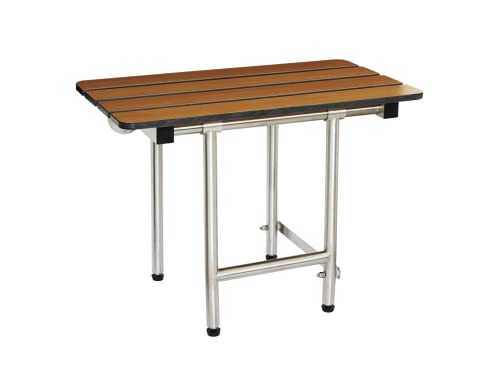
DIMENSIONS: This ADA Bariatric Folding Shower Seat measures 30” L x 13.5” W or 15"W from the wall and includes #304 stainless steel swing down legs that allow a seat height adjustability from 17” to 19”
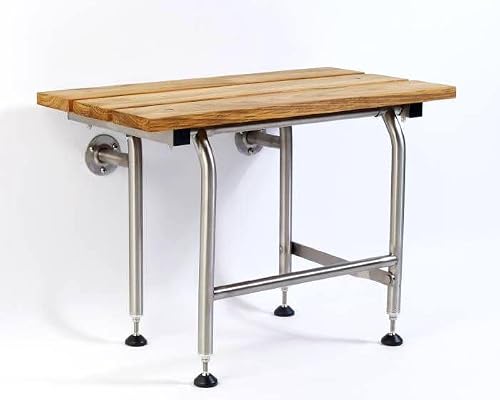
✅ Compact and ADA Compliant Design: This shower seat features an 34.5" width on the wall and an adjustable height between 17" to 19", ensuring comfort and compliance with ADA standards. When folded up, it measures just 2.25" from the wall. Constructed with a 1" teakwood seat and supported by a durable 18-gauge, Type 304 stainless steel framework, this seat offers both functionality and style with a satin #4 finish and sturdy 12-gauge wall brackets.
Types of Tub Transfer Benches Available

A variety of tub transfer benches are available to accommodate different user needs, each offering unique features that enhance safety and comfort in the bathing experience. Padded tub transfer benches, designed for users with sensitive skin, provide additional support, while non-padded options deliver a firmer surface, promoting better mobility assistance. Most models exhibit a weight limit ranging from 250 to 300 pounds, whereas bariatric models, capable of supporting over 400 pounds, guarantee enhanced stability. Popular choices such as the Homecraft Padded Transfer Bench and Drive Medical Transfer Tub Bench are known for their reliability and practicality. Some benches even include commode openings, facilitating hygiene without requiring users to change positions, ultimately offering convenience for individuals with limited mobility. Many bathroom rug sets, such as the OLANLY 3 Piece Bathroom Rugs Set, incorporate non-slip designs essential for safety in wet environments.
Recommended Products

DIMENSIONS: 32" L x 22.5" W, Swing down legs have seat height adjustability from 17" to 19." Design for Left-Handed configurations.

DIMENSIONS: This seat is designed with a soft white padded cushion, measures 32" L x 13.5" W, provides a 1-1/2" wall clearance with an overall projection of 15", has one fixed flange and one adjustable flange for easy installation, and includes #304 stainless steel legs offering height adjustability from 17" to 19"

DIMENSIONS: This shower seat measures 32" L x 21" W with a 1-1/2" wall clearance, resulting in an overall seat projection of 22.5" from the wall to the seat edge; it features an L-shaped Naugahyde-padded cushion and includes one fixed flange and an adjustable flange for easy installation; designed for right-handed configuration
Enhancing Safety With Tub Transfer Benches

Enhancing safety in the bathing environment is a primary function of tub transfer benches, which facilitate a smoother shift in and out of the bathtub while considerably reducing the likelihood of slips and falls. Designed to accommodate weights of at least 300 pounds, many models include bariatric options that provide additional support for users who need it. Features such as adjustable heights allow for customization, enhancing comfort during use. Furthermore, padded seating and integrated grab handles offer further assistance and reassurance, facilitating easier maneuvering during bathing routines. By utilizing tub transfer benches, individuals with mobility challenges can maintain greater independence and confidence, ultimately improving their safety and overall quality of life during personal hygiene activities. For those considering additional safety measures, anti-slip surfaces on grab bars prove crucial in wet environments, providing enhanced grip and stability.
Recommended Products
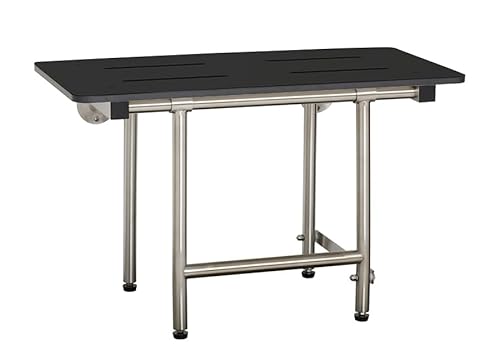
DIMENSIONS: This shower seat measures 28” L x 13.5” W. The seat measures 15” from the edge of the seat to the wall and measures legs have seat height adjustability from 17” to 19.”
✅ Compact and ADA Compliant Design: This shower seat features an 26" width on the wall and an adjustable height between 17" to 19", ensuring comfort and compliance with ADA standards. When folded up, it measures just 2.25" from the wall. Constructed with a 1" teakwood seat and supported by a durable 18-gauge, Type 304 stainless steel framework, this seat offers both functionality and style with a satin #4 finish and sturdy 12-gauge wall brackets.

✅ Compact and ADA Compliant Design: This shower seat features an 28" width on the wall and an adjustable height between 17" to 19", ensuring comfort and compliance with ADA standards. When folded up, it measures just 2.25" from the wall. Constructed with a 1" teakwood seat and supported by a durable 18-gauge, Type 304 stainless steel framework, this seat offers both functionality and style with a satin #4 finish and sturdy 12-gauge wall brackets.
Keeping Your Bathroom Floor Dry

Maintaining a dry bathroom floor is essential for ensuring safety and comfort during bathing activities, especially for individuals with mobility challenges. To keep in mind effective methods, using the Splash Defense Transfer Bench can confine water effectively, while a hand-held showerhead enables precise control of water spray direction. Additionally, modifying the shower curtain to fit snugly reduces water escape; tutorials available on EquipMeOT provide valuable guidance for accomplishing this. Tucking the curtain under the user can redirect water flow back into the tub, enhancing containment. Moreover, strategically positioning towels outside the tub absorbs excess water, helping keep the bathroom dry. These measures collectively promote a safer environment while reinforcing the functionality of bathing spaces. For maintaining cleanliness, using an eco-friendly product like the Method Daily Shower Cleaner can help prevent the need for scrubbing or rinsing, contributing to a consistently clean bathroom environment.
Alternatives to Tub Transfer Benches
Various innovative alternatives to tub transfer benches cater to the diverse needs of individuals seeking enhanced bathing experiences. Bath boards, commonly referred to as tub benches, allow users to sit at the edge of the tub, maximizing space while reducing transfer requirements. For those who require stable seating without transferring, stationary shower chairs offer a secure spot within the shower. Mountable folding tub seats provide practicality in smaller bathrooms, folding away when not in use. The Etac Fresh Bath Board is a popular option, prioritizing accessibility and safety. Interestingly, energy efficiency ratings are crucial when selecting modern electric water heaters, as they offer both economic and environmental benefits. Individuals who need a bathing solution should carefully consider factors such as mobility, energy conservation, and personal preferences to determine the best alternative to tub transfer benches for their specific needs.
Recommended Products

American Standard 3060SH.LW 30-Inch By 60-Inch By 37-Inch Seated Shower with Drain, White, Left Hand
Allows for easy transfer into and out of the shower

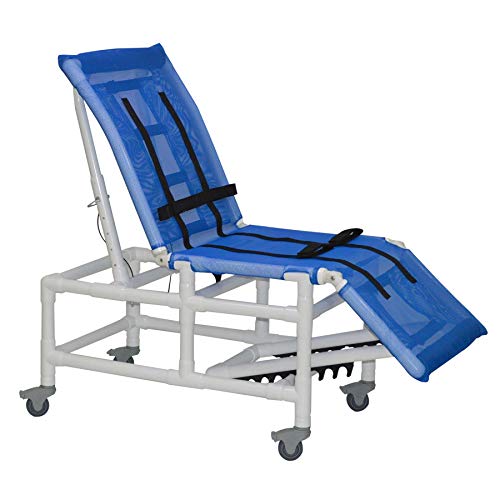
50" long with leg extension down and backrest fully reclined
Design Specifications for Accessible Bathing
When designing accessible bathing facilities, it is essential to adhere to specific design specifications that guarantee usability and safety for individuals with mobility challenges. A transfer bench is designed to assist users during shifts into and out of bathtubs or showers, while grab bars must support loads of at least 250 lbs, necessitating a clearance of 1½ inches between the bars and the wall for effective use. Spacious roll-in showers are recommended, allowing room for shower chairs and mobility aids, enabling individuals who cannot stand to bathe comfortably. To enhance safety, a minimum water temperature of 120°F should be maintained. Additionally, it is advisable to consult an occupational therapist, whose expertise can guide the selection and installation of appropriate accessible bathing features. Many toilet grab bars feature non-slip rubber pads to ensure stability and prevent accidental slips during use.
Compliance and Accessibility Requirements
To guarantee compliance with existing regulations and standards, accessible bathing facilities must meet specific accessibility requirements outlined by plumbing and building codes. These codes mandate that accessible bathing rooms include features such as a shower transfer chair, a lavatory, and units designed for privacy, while also adhering to the ADA Standards. Importantly, at least 5% of portable units in clusters must be compliant and display the International Symbol of Access. When modifying existing bathing rooms, the scope of work dictates that if one room is altered, it must comply entirely, while if all are changed, they must meet new construction standards. Compliance is essential to enhance the bathing experience, providing usable and safe options for all individuals. An important aspect of accessible designs is ensuring that ergonomic shapes in bathtubs provide optimal back support and thorough immersion for a comforting soak.
Tips for Maintaining Bathroom Independence
Maintaining bathroom independence is vital for individuals with mobility limitations, as it allows them to perform personal hygiene tasks with confidence and dignity. Selecting an appropriate tub transfer bench, which generally supports at least 300 pounds, guarantees safety during transfers. Incorporating safety features, such as grab bars and slip-resistant surfaces, greatly reduces fall risks. Additionally, using a handheld showerhead facilitates better control over spray direction, minimizing water spillage and enhancing safety. Regular oiling is recommended to maintain moisture resistance and durability of teak shower benches, ensuring they remain a reliable support during bathing. Regular inspections and maintenance of safety equipment, including transfer benches, are imperative to secure their continued effectiveness. Consulting occupational therapists can provide tailored recommendations to support individual needs, fostering a sustainable approach to maintaining independence in the bath environment, while addressing mobility challenges effectively.
Recommended Products


38" H x 25.5" W x 21" D (includes push bar)
Frequently Asked Questions
What Are the ADA Requirements for Shower Benches?
The ADA requires shower benches to be between 17 to 19 inches in height, made of non-slip surfaces, with adjustable features. Space-saving designs are encouraged, ensuring adequate support and safety for all users.
What Things Should You Take Into Consideration When Transferring a Client to a Tub or Shower Room in a Facility?
When transferring a client to a tub or shower, considerations include client comfort, adherence to safety protocols, appropriate equipment selection, thorough caregiver training, and effective space planning to guarantee safe and efficient transfers.
How Do You Keep Water in a Bathtub With a Transfer Bench?
To prevent bathtub flooding with a transfer bench, effective water retention methods and thoughtful transfer bench design are essential. Incorporating non-slip surfaces and mobility assistance devices enhances safety while minimizing the risk of water escape.
What Are the Requirements for a Bench in the ADA?
The ADA guidelines mandate specific bench dimensions, ensuring proper weight capacity and suitable materials for durability. Installation requirements include securing the bench for stability and providing adequate space for safe user maneuverability and transfer.