As an Amazon Associate, we earn from qualifying purchases. Some links on this site are affiliate links at no extra cost to you. Our recommendations are based on thorough research and editorial judgment.


ADA Basics for Sinks: Knee Clearances and Handles

ADA compliance for sinks requires specific measurements to guarantee accessibility. Sinks must not exceed 34 inches in height, with at least 30 inches of clear floor space in front and a minimum knee clearance of 27 inches high, 30 inches wide, and 11 to 25 inches deep. Faucet controls should be operable with one hand and require less than 5 pounds of force. By understanding these specifications, individuals can better navigate sink accessibility for varied uses, discovering essential details that enhance usability.
Key Takeaways
- Sink height must not exceed 34 inches above the finished floor to comply with ADA guidelines.
- Minimum knee clearance beneath sinks should be 27 inches high, 30 inches wide, and 11 to 25 inches deep.
- Clear floor space in front of the sink must measure at least 30 inches wide by 48 inches long for accessibility.
- Faucet controls must be operable with one hand and require less than 5 pounds of force for ease of use.
- Touchless faucets are preferred for hygiene and accessibility but are not mandatory under ADA standards.
Required Compliance for Sinks
Compliance with the Americans with Disabilities Act (ADA) for sinks encompasses specific requirements to guarantee accessibility for all individuals, particularly those with disabilities. Sinks must have a maximum height of 34 inches above the floor, ensuring ease of use. Additionally, there must be a clear floor space of at least 30 inches wide by 48 inches long in front of the sink, facilitating maneuverability. Knee clearance beneath sinks should measure a minimum of 27 inches high, 30 inches wide, and 11 to 25 inches deep, allowing proper positioning for wheelchair users. Faucet controls must be operable with one hand, necessitating less than 5 pounds of force and preventing tight pinching. Many bathroom sink stoppers feature a tool-free installation, making them accessible and user-friendly for all, including individuals with disabilities. These specifications highlight the importance of accessible design in achieving ADA compliance for sinks.
Clear Floor Space Specifications

Specifying clear floor space in front of sinks is essential for guaranteeing accessibility, particularly for individuals who utilize mobility aids such as wheelchairs or walkers. To meet the necessary standards, the clear floor space must consist of a minimum amount of 30 inches in width and 48 inches in length, remaining free of obstructions. Additionally, a minimum of 15 inches of clear space should be maintained directly in front of the sink to facilitate maneuverability. For maximum accessibility, such areas must also guarantee unobstructed knee space beneath the sink, with a required clearance of at least 24 inches. Adhering to these specifications is critical in making both kitchens and bathrooms fully accessible and accommodating for all users, promoting independence and safety. Adjustable shelving benefits in bathroom cabinets provide flexibility for accommodating various item sizes, which can enhance usability and maximize storage efficiency in compact areas.
Recommended Products

ADA-ACCOMMODATING BOWL DEPTH: Sink bowls are 5½" deep for ease of reach and accessibility.
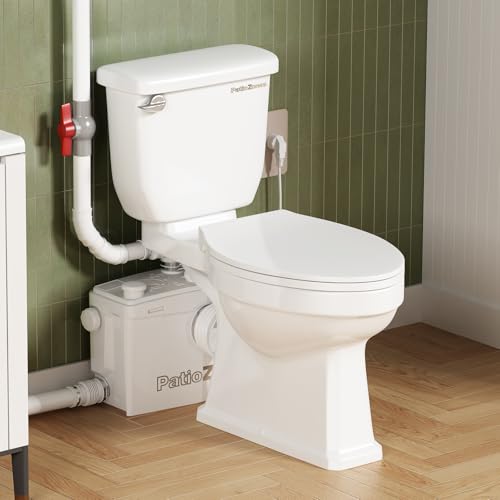
【Powerful 900W Macerator Pump】Our 900W Basement Upflush Toilet System delivers unmatched flushing power, effortlessly grinding waste and toilet paper into a fine slurry for smooth, clog-free drainage. With a high lift capacity of up to 39.3 feet and long horizontal reach (up to 328 ft), this system is perfect for basement bathrooms, garage toilets, or any space where traditional plumbing isn’t feasible. Unlike weaker competitors (typically 500W-600W), our 900W motor ensures reliable performance even with heavy use, preventing backups and odors.

ADA-ACCOMMODATING BOWL DEPTH: Sink bowls are 5½" deep for ease of reach and accessibility.
Knee Clearance Requirements

Guaranteeing adequate knee clearance underneath sinks is vital for enhancing accessibility, particularly for users who rely on wheelchairs or other mobility aids. The minimum knee clearance required for ADA compliance mandates an unobstructed height of 27 inches, a width of 30 inches, and a depth ranging from 11 to 25 inches under the sink. Additionally, clear space must extend at least 19 inches deep beneath the sink to promote comfort while allowing greater maneuverability. It is important that the floor area fully under the sink measures a minimum of 30 inches by 48 inches, providing ample room free from obstructions. Moreover, plumbing components below the sink must be insulated or designed to eliminate sharp edges, promoting user safety and accessibility. Including modern chandeliers in bathroom designs can enhance elegance and functionality, complementing the accessibility features while providing adequate illumination.
Recommended Products
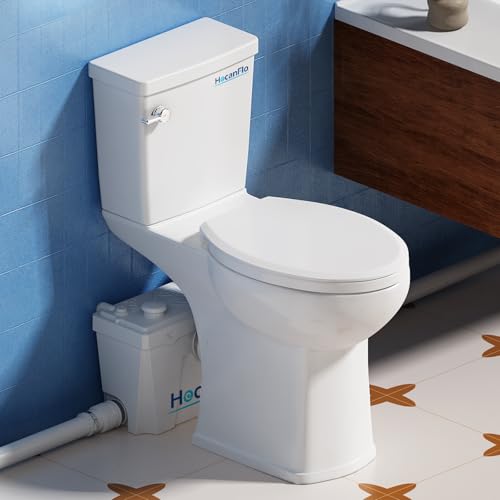
【Powerful 4-in-1 Whole-Bathroom Solution】 Transform any space with this complete upflush system. Unlike standard units, this macerating toilet features 4 water inlets: a 3/4" toilet inlet, plus three 1½" inlets for connecting a sink, shower, or laundry line to a single powerful pump. With an impressive 23ft vertical lift and up to 230ft horizontal run, it easily handles basement installations and remote bathroom additions.

【Premium Acrylic Construction for Lasting Comfort】This bathtub is crafted from 4 mm thick, high-gloss acrylic and reinforced with fiberglass, ensuring a smooth surface that’s easy to wipe clean and resists scratches, fading, and daily wear. The double-layered construction helps to retain heat, allowing you to enjoy consistently warm soaks. Its glossy finish brings a modern, elegant look that elevates any bathroom style while offering comfort every time you bathe.

【Premium Acrylic Construction for Lasting Comfort】This bathtub is crafted from 4 mm thick, high-gloss acrylic and reinforced with fiberglass, ensuring a smooth surface that’s easy to wipe clean and resists scratches, fading, and daily wear. The double-layered construction helps to retain heat, allowing you to enjoy consistently warm soaks. Its glossy finish brings a modern, elegant look that elevates any bathroom style while offering comfort every time you bathe.
Toe Clearance Guidelines
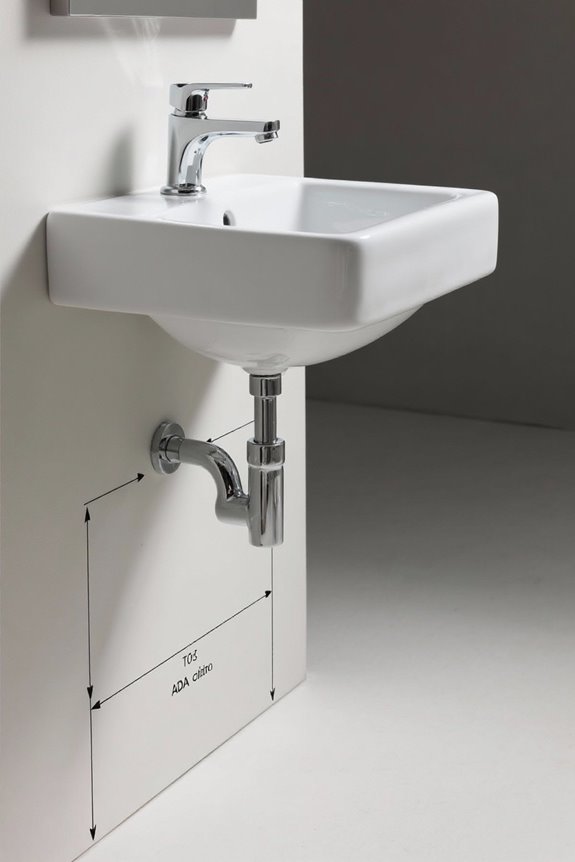
Toe clearance is a critical component in the design and installation of sinks, particularly in settings where accessibility is paramount. The minimum toe clearance required for sinks is 9 inches in height, extending no more than 6 inches from the back wall, ensuring that the space remains unobstructed by equipment or furniture. This design feature is essential for facilitating wheelchair access and mobility, greatly enhancing usability for individuals with disabilities. Adhering to toe clearance guidelines not only meets ADA compliance but also promotes accessibility in both public and private restrooms. By implementing adequate toe clearance, designers create an environment that fosters comfort and supports independence for users with mobility limitations, aligning with the broader goals of universal design in accessibility. Additionally, integrating ceramic and porcelain materials in sink design can contribute to long-lasting durability and ease of maintenance, supporting the needs of diverse users.
Recommended Products

KIT INCLUDES: workstation kitchen sink, cutting board, roll-up dish rack, bottom grid, drain assembly and cover; OUTER SINK DIMENSIONS: 33 in. L x 22 in. W x 6 in. D – BOWL DIMENSIONS: 31 in. L x 16 in. W x 5 1/2 in. D – MINIMUM CABINET SIZE: 36 in.

Made out of white ceramic

BATHROOM SINK: Our bathroom sink has a rectangular shape that provides enough space to be used by any person. This rectangular-shaped sink fulfills all your requirements and gives your bathroom a decent look.
Maximum Sink Height

When designing sinks for accessibility, the maximum height is a significant consideration that complements the previously discussed toe clearance standards. According to ADA compliance, the maximum height for an accessible sink should not exceed 34 inches above the finished floor. This height guarantees individuals can comfortably use the sink without excessive strain. Proper installation is critical, as every accessible restroom must feature at least one sink adhering to this height standard. Fireclay construction for durability is often recommended for such installations due to its robust nature. In addition to maintaining the 34-inch maximum, sinks must also provide knee clearance with a minimum height of 27 inches from the ground, promoting usability. This combination of height and clearance enhances accessibility, making restrooms more inclusive for all users—a crucial aspect of modern design in public facilities.
Faucet Accessibility Standards
In the domain of accessible design, faucet accessibility standards play a pivotal role in making certain users can engage with sinks effortlessly and independently. Faucets required in ADA-compliant kitchens must have controls that are easily operable with one hand, requiring no more than 5 pounds of force, and must avoid tight grasping or twisting. It is recommended to utilize single-handle lever faucets or touchless options for improved accessibility. Moreover, all faucet controls must be positioned within a maximum height of 40 inches to make certain that all users, including those in wheelchairs, can reach them comfortably. Additionally, other operable parts, such as soap dispensers, must also adhere to the same maximum height requirement to maintain ADA compliance and enhance overall usability. High-quality materials, like lead-free stainless steel, enhance faucet longevity and comply with health standards.
Recommended Products

STURDY STAINLESS STEEL CONSTRUCTION: Made from premium-grade stainless steel, this sink offers superior durability and resistance to rust, water, food stains, and harsh chemicals, making it a reliable, long-lasting addition to any kitchen or bar.
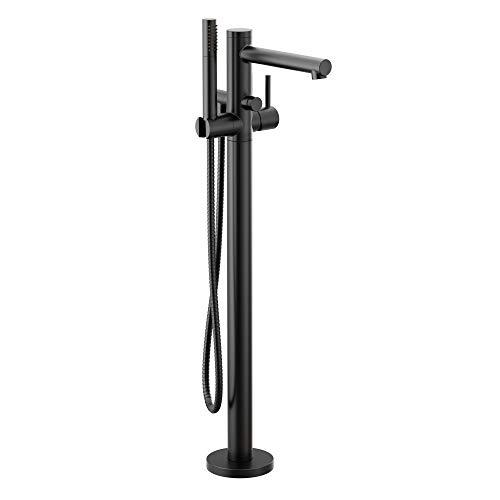
LONGSTANDING FLEXIBILITY: Built on the Moen M-PACT common valve system, allowing you to update the faucet style in the future without replacing any plumbing

LONGSTANDING FLEXIBILITY: Built on the Moen M-PACT common valve system, allowing you to update the faucet style in the future without replacing any plumbing
Operable Parts for Ease of Use
Operable parts of sinks are essential in enhancing usability, particularly for individuals with disabilities who require simple and efficient designs. Faucet controls must be operable with one hand and should not require more than 5 pounds of force, reducing frustration during use. Accessible sink designs prioritize single-handle or touchless faucets, enabling seamless operation. A critical component of these designs is ensuring that operable parts are within reach for users seated in wheelchairs, with a maximum recommended height of 40 inches. Additionally, manual faucet controls should mitigate the need for tight grasping or pinching, aligning with accessibility requirements focus. Proper insulation of pipes beneath sinks contributes to overall safety, preventing injuries from sharp or abrasive elements during everyday tasks. Many waterfall faucets feature a flow rate of 1.2 GPM, emphasizing water efficiency and eco-conscious design.
Recommended Products

WARM AND INVITING: Brushed Nickel finish provides a lightly brushed warm-grey metallic look

VERSATILE DESIGN: Chrome finish is highly reflective for a mirror-like look that works with any decorating style

VOICE ACTIVATED FAUCET: Use your Alexa or Google Assistant to power this Delta touchless kitchen faucet. Command the smart faucet to turn on, pour metered amounts of water like 1 cup, or even set custom commands to fill your coffee pot
Importance of Insulation Under Sinks
Ensuring proper insulation under sinks is an essential component of creating safe and accessible environments for all users, particularly individuals with mobility limitations. Insulating plumbing pipes is necessary to prevent injuries from sharp surfaces and extreme temperatures, which can pose hazards. ADA guidelines emphasize that surfaces under sinks must be free from sharp or abrasive elements, thereby enhancing accessibility. Additionally, insulation aids in maintaining water temperature to prevent burns, which is important for users with reduced sensitivity. Compliance with the National Fire Protection Association’s standards for insulation not only protects users from potential injuries but also contributes to a welcoming atmosphere. Overall, effective insulation supports compliance with accessibility standards, making facilities safer for everyone. Wall-mounted cabinets are beneficial in maximizing vertical storage and freeing up floor space in bathrooms, which is especially useful for creating more accessible environments.
Mirror Height Regulations
Mirror height regulations are an essential aspect of creating accessible restroom facilities, aimed at accommodating individuals of varying abilities and heights. According to the Americans with Disabilities Act, the bottom edge of a wall-mounted mirror must be no higher than 40 inches from the floor, guaranteeing compliance for accessible lavatories. Only one mirror in any toilet room needs to meet these height requirements, yet its placement is crucial for significant functionality. This height accommodates users of varying heights, including wheelchair users and those of shorter stature, enhancing usability. Frameless shower doors, with features like tempered glass construction, also offer safety and aesthetic benefits, reflecting a commitment to quality and accessibility. Public facilities must guarantee that mirrors adhere to these regulations, as they not only promote independence but also reflect a commitment to accessibility for all individuals, regardless of their physical abilities.
Considerations for Kitchen and Bathroom Sinks
When designing accessible kitchen and bathroom spaces, the considerations for sinks greatly influence both functionality and user experience. According to ADA guidelines, sink height must not exceed 34 inches above the finished floor, ensuring accessibility for users with disabilities. Underneath the sink, a minimum knee clearance of 27 inches high, 30 inches wide, and 11-25 inches deep is necessary for wheelchair access. Adequate clear floor space of at least 30 inches by 48 inches must be provided in front of the sink, facilitating movement. Faucet handles should be easy to operate with one hand and require less than 5 pounds of force, therefore minimizing the need for tight grasping or pinching, enhancing usability across varied user needs. For enhanced bathroom experience, selecting exhaust fans with low noise levels can significantly contribute to a more serene atmosphere.
Common Misconceptions About Sink Compliance
How often are sink compliance misconceptions overlooked in the design process? Many believe that all sinks must adhere to ADA Standards; however, only sinks that are accessible to the general public or used by residents require compliance. A widespread misconception is that the maximum height of compliant kitchen sinks can exceed 34 inches, whereas ADA indicates it must not surpass this measurement. Additionally, the clear space must be free underneath, measuring at least 30 inches by 48 inches, not just centered. While some think touchless faucets are mandatory, manual faucet controls are acceptable if operable with one hand, requiring less than 5 lbf of operating force. Moreover, knee clearance specifications necessitate at least 27 inches high, 30 inches wide, and 19 inches deep.
Additional Recommendations for Accessibility
To enhance accessibility in sink design, it is essential to integrate several key recommendations that align with ADA guidelines, ensuring ease of use for individuals with disabilities. To start, a minimum knee clearance of 27 inches high, 30 inches wide, and 11-25 inches deep must be maintained. Ensuring a clear space measuring at least 30 inches wide by 48 inches long in front of sinks is vital for unobstructed access. Additionally, faucet handles should require one-handed operation, necessitating less than 5 pounds of force for accessibility. Installing touchless faucets, though not mandatory, can further improve user experience and hygiene. Finally, the rim height of sinks should not surpass 34 inches to comply with ADA standards, promoting an inclusive environment for all.
Frequently Asked Questions
What Is the Knee Clearance for ADA Sinks?
Knee clearance dimensions for ADA sinks include 27 inches high, 30 inches wide, and 11-25 inches deep, fulfilling knee space requirements. Accessible sink designs must adhere to sink height regulations and other ADA compliance features for safe installation.
What Is the ADA Clearance for a Sink?
The ADA clearance for a sink includes specific sink dimensions, accessibility features, and design guidelines ensuring plumbing standards are met. A compliance checklist assists in installation considerations to enhance user experience for individuals with disabilities.
What Are the ADA Requirements for Under Sinks?
The ADA requirements for under sinks emphasize specific dimensions, ensuring vertical clearance and accessible design. Compliance with plumbing regulations and maintenance requirements enhances usability, fostering an environment that meets essential accessibility standards for individuals with disabilities.
What Are the ADA Requirements for Faucet Handles?
ADA compliance guidelines stipulate that user-friendly faucets utilize lever handle designs or touchless faucet technology for easy operation. Faucet handle types should guarantee accessible faucet placement, requiring no more than 5 pounds of effort for operation ease.


