As an Amazon Associate, we earn from qualifying purchases. Some links on this site are affiliate links at no extra cost to you. Our recommendations are based on thorough research and editorial judgment.


Backsplash Height and Waterproofing Behind Sinks

Backsplash height in bathrooms typically ranges from 4 to 6 inches, providing essential moisture protection behind sinks and enhancing cleanliness. Under-counter sinks may require lower heights, while over-counter models necessitate taller installations for effective splash mitigation. Using non-porous materials like quartz, glass tile, or ceramic guarantees durability, while proper waterproofing, including sealing edges, is crucial to prevent moisture damage. Factors such as sink size, design choices, and custom solutions can influence height decisions. For further information on best practices, continue exploring this topic.
Key Takeaways
- A backsplash height of 4 to 6 inches is recommended to protect walls from moisture and ensure easy cleaning.
- For under-counter sinks, closer placements are critical, while over-counter sinks need taller installations to prevent splashing.
- Non-porous materials like quartz and glass tile enhance moisture resistance and reduce wall damage risks.
- Proper installation techniques, including sealing edges, are essential for long-lasting protection and durability.
- Regular maintenance of grout lines is vital to ensure hygiene and extend the backsplash’s lifespan.
The Purpose of a Backsplash in Bathrooms
A well-designed backsplash in a bathroom serves multiple essential functions, acting primarily as a protective barrier against moisture and stains from splashes that occur during daily use. By preventing water damage, it effectively extends the lifespan of walls, particularly in the vanity area where moisture exposure is highest. This waterproofing feature not only simplifies cleaning tasks, thereby promoting hygiene, but also enhances the bathroom’s overall aesthetic appeal. A carefully selected backsplash can complement existing fixtures and fittings, creating a cohesive design that personalizes the space. The installation process involves choosing materials that withstand the humid environment, such as ceramic, glass, or stone, which are all effective in minimizing wear and tear while enhancing the visual impact of the bathroom space. Additionally, iridescent tiles resist fading, discoloration, and damage, making them an excellent choice for moisture-prone environments.
Recommended Backsplash Heights for Sinks

Typically, a backsplash height of 4 to 6 inches behind sinks is recommended to effectively guard against water splashes while providing ample operational space for users. This standard height serves to protect against moisture damage, ensuring the longevity of wall surfaces. In cases of under-counter sinks, a closer placement may suffice, while over-counter sinks may necessitate additional height to mitigate splash potential. Homeowners should also prioritize cleaning ease; using smooth, non-porous materials can minimize maintenance and the risk of water penetration. It’s advisable for backsplashes to extend at least to window sills or higher, as this enhances protection and durability. Full-height options are available for those seeking extensive coverage in high-moisture areas, combining aesthetic appeal with functional design. Adjustable shelving benefits can further improve storage efficiency in small bathroom spaces by accommodating various item sizes, thus enhancing usability and organization.
Recommended Products

Luxurious Marble Look: Deep black porcelain tile with elegant white veining that mimics the rich appearance of Nero Marquina marble.

Add an elegant coastal chic to your interior design with our exquisite seashell tile. Cream mosaic chips in a timeless pattern create a sleek pure look, able to lighten up any home. Natural iridescent sheen radiates surrounds and brings up an airy, luminous feel. Each square sheet is mesh-backed to simplify and fasten the installation process. It is a perfect textured tile if you want to visually expand the room or bring a buoyant feel.

For use inside or out on a variety of surfaces including sanded grout, flagstone, terra cotta, limestone, sandstone and more to protect against water, stains and slippage
Importance of Waterproofing Behind Sinks

Ensuring effective waterproofing behind sinks is essential, as it protects wall structures from the damaging effects of persistent moisture exposure, which can lead to considerable deterioration over time. The ideal backsplash height, ranging from 4 to 6 inches, offers adequate protection from splashes and stains during daily use. Choosing non-porous materials, such as quartz, glass tile, or stainless steel, enhances moisture resistance and simplifies cleaning. Matte black finishes in cabinet hardware resist wear and maintain a sleek look, adding both style and practicality to kitchen designs. Successful installation techniques, including sealing edges and employing strong adhesive bonds, are vital for best waterproofing. Additionally, regular maintenance involving sealing grout lines can greatly improve the durability and overall waterproofing performance of the backsplash, thereby extending its lifespan and maintaining a safe, hygienic kitchen environment.
Recommended Products
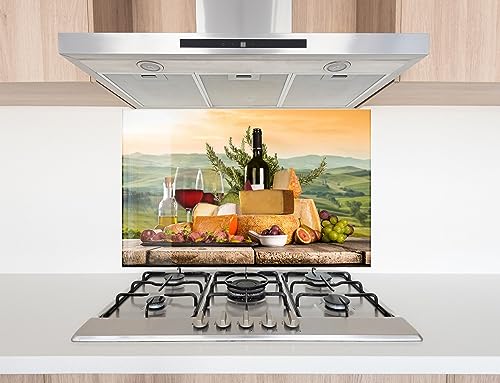
We print your desired art piece on 3/16 inc (4mm) first-class.Strong,resistant and durable.

We print your desired art piece on 3/16 inc (4mm first-class.Strong,resistant and durable.

We print your desired art piece on 3/16 inc (4mm) first-class.Strong,resistant and durable.
Factors Influencing Backsplash Height Decisions

Waterproofing considerations behind sinks naturally lead to an examination of backsplash height, which is substantially influenced by a variety of factors. The type of sink plays a vital role; under-counter sinks allow for a lower backsplash due to reduced splash range, whereas over-counter sinks may require a taller installation for effective water management. Kitchen layout and design further dictate these decisions, as geometric placements determine ideal functionality. Additionally, larger sinks or deeper basins necessitate increased backsplash height to prevent water damage. Personal height must also be factored in, ensuring comfortable cleaning for all household members. In smaller kitchens, balancing practical needs with visual appeal becomes essential, often leading to minimized distances to avoid wasted space while maintaining style. Considering durable materials like stainless steel in sink drains is crucial, as they contribute to the overall effectiveness and longevity of bathroom and kitchen upgrades.
Recommended Products

We print your desired art piece on 3/16 inc (4mm) first-class.Strong,resistant and durable.

We print your desired art piece on 3/16 inc (4mm) first-class.Strong,resistant and durable.

We print your desired art piece on 3/16 inc (4mm) first-class.Strong,resistant and durable.
Ideal Distance Between Sink and Backsplash

A suitable distance of 3 to 5 centimeters between the sink and backsplash is essential for effective water management in kitchen designs, as this range helps considerably reduce the risk of splashes reaching the wall. Maintaining this ideal distance minimizes water accumulation, which can lead to cleaning difficulties and potential damage over time. Distances under 3 cm are less desirable, complicating cleaning due to tight spaces and increasing the risk of damage. Additionally, factors such as the type of sink and kitchen layout influence this distance. An ideal placement not only enhances functionality but also contributes to a visually harmonious design, making waterproofing behind the backsplash more effective while keeping the kitchen neat and appealing. It is important to choose materials that offer high resistance to impact and chemicals, ensuring the longevity and durability of the kitchen design.
Common Issues With Inappropriate Backsplash Height
When backsplash height is improperly designed, particularly when it falls below the recommended range of 3 to 5 centimeters from the sink, significant water splashing onto the surrounding walls can occur, leading to moisture damage and a labor-intensive cleaning process. Insufficient backsplash height may fail to adequately protect against stains and splatters, consequently resulting in long-term deterioration of wall finishes. Conversely, a backsplash positioned higher than 5 centimeters can create gaps that accumulate debris, complicating sanitation and potentially causing hygiene issues. Such inadequate height can disrupt visual harmony within the kitchen, impacting overall kitchen aesthetics and leading to a cluttered appearance. As a result, proper height and coverage are critical not only for protection but also for reducing ongoing cleaning effort and maintaining a visually appealing environment. Additionally, the use of rust-resistant materials like stainless steel in bathroom fixtures can contribute to longer service life and reduced maintenance requirements.
Recommended Products

Quartz backsplash adds beauty and long-lasting durability to bathroom vanity

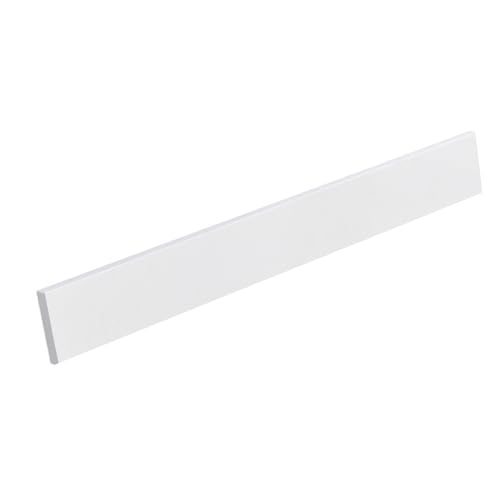
Perfect Fit: The 36 in. W x 0.75 in. D x 4 in. H universal backsplash is designed to fit most standard bathroom vanity tops. It can be installed on the back to help protect your walls from water splashes.
Material Considerations for Backsplashes
Selecting the right materials for backsplashes is vital to secure both functionality and aesthetic appeal in kitchens and bathrooms, where moisture and stains are prevalent. Non-porous backsplash materials such as glass, quartz, and stainless steel offer superior moisture resistance, making them ideal for areas behind sinks. Waterproof laminates and acrylic panels, known for their sleek surfaces and easy maintenance, are also effective choices. When using tiles, special installation considerations, such as reinforcing walls, are necessary to guarantee durability. Proper grout sealing is essential to prevent water infiltration and prolong the lifespan of tiled backsplashes. Additionally, maintaining visual continuity between the backsplash and countertop enhances the overall design cohesion, contributing to an attractive, functional space amidst the challenges of moisture management. For instance, ceramic and porcelain are durable, scratch-resistant materials often used in undermount bathroom sinks that could complement the backsplash aesthetic while ensuring easy maintenance.
Recommended Products

【𝐒𝐩𝐞𝐜𝐢𝐚𝐥 𝐃𝐞𝐬𝐢𝐠𝐧】Faux marble tile. Product is designed to be with Carrara white color, the glossy surface and natural texture make it more realistic. Close-joint tiles with clear edge bevel processed, no grouting required, the seamed design make it just like a real caulked tile

1. Used for decoration of kitchen backsplash, living room walls, bedroom walls,laundry rooms metal wall tile , bathroom wall tile, accent walls etc.

Super Strong Adhesive: Stronger backing glue than ordinary vinyl backsplash tile, not only stick firmly to the smooth & clean surface, but also available on lightly textured wall.
Custom Solutions for Different Bathroom Configurations
Custom solutions for different bathroom configurations are crucial to maximize both functionality and aesthetic appeal, particularly when considering the unique dimensions and usage patterns of each space. Main bathrooms often require taller backsplashes to provide adequate moisture protection, while decorative powder rooms benefit from shorter backsplashes that emphasize style rather than height. Compact bathrooms can incorporate taller backsplashes for vertical design, which creates an illusion of openness while ensuring waterproofing. Utilizing non-porous surfaces like glass or ceramic is essential in areas prone to high moisture exposure. In addition, evaluating vanity height in relation to backsplash size enhances visual balance, promoting a cohesive design throughout. Incorporating recessed medicine cabinets can further optimize space and storage, while maintaining the aesthetic integrity of the bathroom. Ultimately, tailored designs cater to the individual needs of bathroom layouts, resulting in superior performance and beauty.
Frequently Asked Questions
Do I Need to Waterproof Behind the Backsplash?
“An ounce of prevention is worth a pound of cure.” Waterproof materials and proper backsplash installation are essential for moisture prevention. Choosing the right tile styles, wall treatments, and grout sealing guarantees effective sink protection and kitchen maintenance.
Can You Put a Backsplash Just Behind the Sink?
Yes, a backsplash can be installed just behind the sink. Selecting appropriate backsplash materials, like tiles, enhances kitchen aesthetics, while design trends suggest color combinations and grout choices that guarantee both counter protection and low maintenance for a DIY backsplash.
What Is the Rule of Thumb for Backsplash?
Typically, backsplashes range from 4 to 6 inches in height, with materials and design styles influencing installation techniques. Color coordination and grouting options are crucial for aesthetics, while maintenance tips and cost considerations guarantee longevity.
What’s the Average Height of a Backsplash?
The average height of a backsplash typically ranges from 4 to 6 inches, although design trends impact choices. Factors like backsplash materials, tile patterns, and color coordination influence kitchen aesthetics and installation, along with maintenance advice and cost factors.


