As an Amazon Associate, we earn from qualifying purchases. Some links on this site are affiliate links at no extra cost to you. Our recommendations are based on thorough research and editorial judgment.


Aerated Vs Laminar Flow: Which Feels Better and Why?

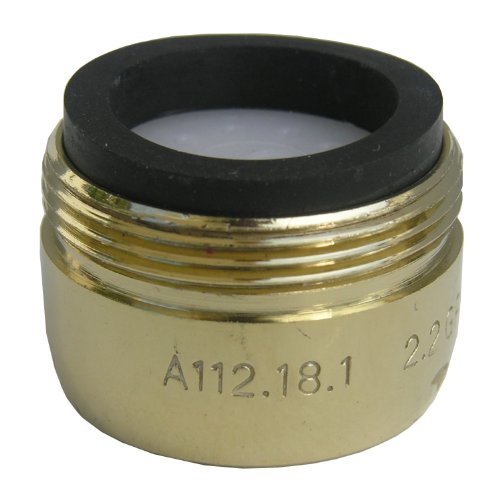
Aerated flow faucets provide a soft, bubbly stream, perfect for general use and comfort, often delivering up to 2.2 gallons per minute. In contrast, laminar flow faucets deliver a focused, vortex-free water beam at approximately 0.5 gpm, making them ideal for hygiene-sensitive areas like hospitals due to their lower risk of contamination. While aerators need regular maintenance every few months, laminar systems typically offer lower upkeep requirements. Understanding these differences can help users make informed choices about their water flow preferences.
Key Takeaways
- Aerated flow feels soft and gentle, ideal for casual activities like handwashing, enhancing user comfort.
- Laminar flow delivers a focused, robust water stream, making it suitable for precision tasks in hygiene-sensitive settings.
- Users may prefer aerated water’s gentle experience or laminar flow’s consistent pressure, depending on personal comfort and functional needs.
- Aerated faucets typically provide a higher flow rate, perceived as more powerful, while laminar systems offer smoother, vortex-free delivery.
- Ultimately, the choice between aerated and laminar flow comes down to individual preferences for comfort versus hygiene requirements.
Understanding Aerated and Laminar Flow
Understanding the differences between aerated and laminar flow is essential for consumers deciding on the best options for their faucets and fixtures. Aerators, commonly found in general faucets, mix air with water to generate a soft, splash-free stream, greatly reducing water usage by 30-50%. In contrast, laminar flow delivers a clear, non-mixed water stream, which enhances cleanliness and is favored in healthcare environments where hygiene is vital. Unlike aerated faucets, which have a standard flow rate of 2.2 gallons per minute (gpm), water-saving aerators can achieve approximately 0.5 gpm while maintaining performance. Additionally, laminar flow outlets often incorporate antimicrobial coatings, such as silver ions, minimizing bacterial contamination risks, thereby providing a safer choice for areas demanding stringent sanitation standards. Many modern faucets, such as the Pfister Pasadena, offer WaterSense certification to ensure both efficiency and performance.
Key Differences Between Aerated and Laminar Flow

A critical examination of the key differences between aerated and laminar flow reveals distinct operational characteristics that cater to varied consumer needs and preferences. Aerated flow introduces air into the water stream, generating a bubbly experience and reducing splashing, while laminar flow guarantees a smooth, vortex-free delivery without air mixing. Typically, aerators work at lower flow rates of 0.5-2.2 gpm, affecting water pressure, whereas laminar flow devices can maintain higher flow rates. Significantly, aerated fixtures may introduce health risks due to airborne microbes, unlike laminar outlets, which feature a closed-stream design minimizing such concerns. Additionally, aerators can clog from mineral buildup, while laminar flow mechanisms often include antimicrobial coatings, promoting a streamlined maintenance experience in settings such as medical facilities. Additionally, faucets with solid brass construction offer enhanced durability and longevity, resisting corrosion and fading, which is crucial for high-traffic bathroom environments.
Recommended Products
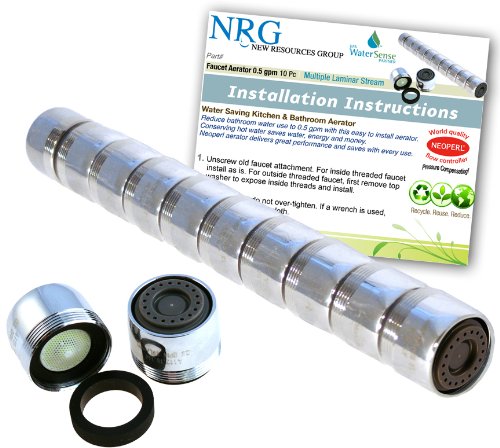
low flow 0.5 gpm pressure compensating PCA Spray lime dome
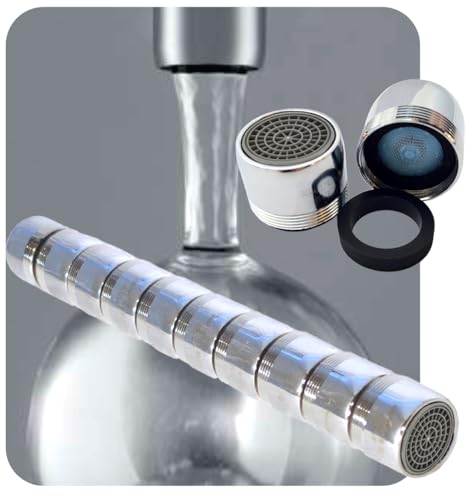
Kitchen Bathroom Aerator Crystal Clear Low Flow 1.8 gpm Dual Standard Threaded Regular 15/64"-27 Male X 55/64"-27 Female - Housing Washer & Insert

💧【3 High Water Flow Desiagn】This swivel faucet nozzle has high flow strong shower flow, laminar flow and rinse flow (this mode is between the laminar flow and strong).You can easily switch between three modes by rotating the bottom part of the faucet aerator. You can now adjust the water output and water pressure according to your actual needs. This helps minimize water splashing and wastes while effectively providing your needs.
Sensation of Water: Which Feels Better?
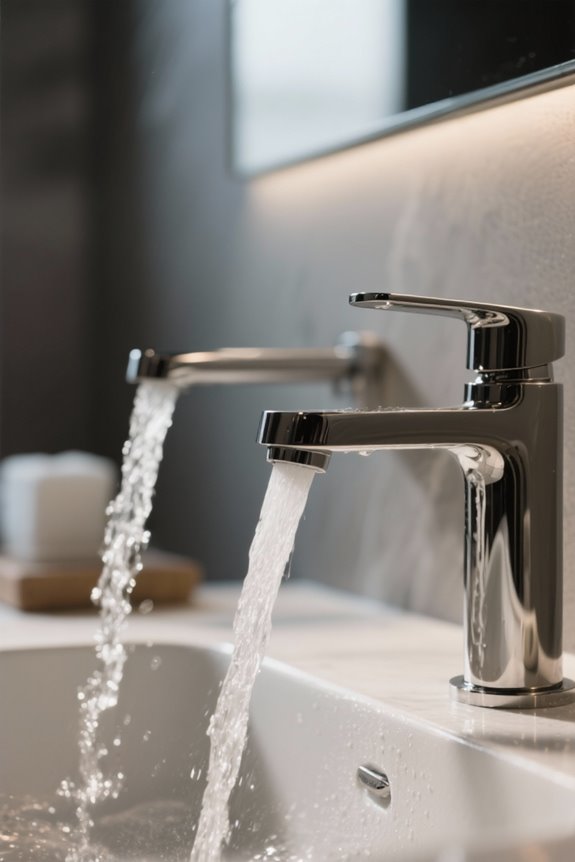
Which water sensation evokes a more satisfying experience for users? Aerated water, with its soft to the touch, bubbly flow, offers a gentle and splash-free experience, making it particularly appealing for casual activities like handwashing or rinsing. Conversely, laminar flow provides a focused, robust stream, reminiscent of a garden hose, ideal for applications requiring precision, such as in medical facilities. While aerated fixtures enhance comfort and can reduce water usage, they may lack the strong pressure delivered by laminar flow. Preferences vary, as some users appreciate the tender embrace of aerated water, while others favor the consistent and powerful delivery of laminar flow, particularly when it comes to drinking water or precise tasks where control is essential. Waterfall faucets create a relaxing and spa-like atmosphere, offering a unique combination of aesthetic appeal and functional water delivery.
Water Efficiency Comparison

In evaluating water efficiency between aerated and laminar flow systems, it becomes apparent that both technologies offer distinct advantages, catering to varying needs and preferences. Aerated faucets generally deliver a flow rate of 2.2 gallons per minute (gpm), yet water-saving aerators can reduce consumption by up to 75%, which aids in significant water savings. Conversely, laminar flow outlets, often around 0.5 gpm for water-saving models, maintain hygiene, minimize splashing, and avoid water waste effectively. While aerators produce softer water, possibly increasing overall consumption, laminar systems provide a more controlled delivery, enhancing water efficiency. Ultimately, organizations upgrading from traditional aerators to laminar systems can not only save water but also reduce maintenance costs and improve overall safety standards. Water-saving shower heads, like those with adjustable flow rates, further demonstrate the potential for significant water conservation while maintaining a comfortable shower experience.
Benefits of Aerated Flow

Aerated flow systems present a variety of benefits that enhance both efficiency and user satisfaction in modern households. By incorporating air into the water, these systems produce a smooth, splash-free flow, markedly reducing water usage to 5-8 liters per minute, unlike traditional taps that consume 12-15 liters. Households can reap annual savings between £100-200 from a 30-50% reduction in water consumption. Additionally, the softer nature of aerated water helps to prevent limescale buildup in pipes and appliances, ensuring better maintenance and the longevity of fixtures. Easy to install on existing plumbing, aerated faucets deliver an attractive return on investment within 2-3 years. Regular cleaning of aerators, typically every 1-3 months, maintains performance while combating limescale effectively using a vinegar solution. Many modern bathroom faucets feature aerators, resulting in water-efficient models that conserve water without sacrificing performance.
Recommended Products

Quick and easy installation perfect for commercial retrofit projects

Electronic faucet with Selectronic proximity operation
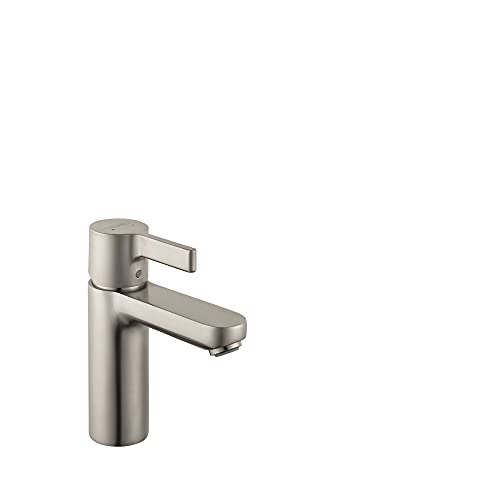
SUPERIOR DESIGN: German design and engineering delivers optimal performance for all of your bath faucet needs
Benefits of Laminar Flow
Laminar flow outlets offer distinct advantages that contribute to a cleaner and more efficient water delivery system, especially in settings where hygiene is paramount. Unlike traditional aerated systems, laminar flow creates a smooth, crystal-clear stream of water, greatly reducing splashing and helping maintain cleanliness in high-usage areas. By not introducing air into the water flow, laminar systems minimize the risk of airborne microbial contamination, addressing serious hygiene concerns. Additionally, many laminar flow outlets feature antimicrobial silver ion coatings, further enhancing safety in residential and medical facilities. These systems are less prone to stagnation, effectively preventing harmful bacteria from thriving in standing water, ultimately ensuring a consistent, high-quality water flow that is vital for environments such as hospitals, where cleanliness and reliability are essential. For those interested in energy efficiency, advanced combustion technology from the propane tankless water heaters offers improved energy savings, which aligns with the goals of maintaining both environmental and operational efficiency.
Recommended Products
Not for sale in California

360 degree swivel

Full force flow aerator - Not for use in California or any state that requires lower flow rates
Installation Considerations for Aerators and Laminar Outlets
When deciding between aerators and laminar flow outlets for installation, several key factors need to be considered to secure ideal functionality and compatibility with existing plumbing systems. The installation of aerators often requires selecting the appropriate threading size—either male or female—to guarantee a proper fit within the plumbing system. Alternatively, laminar flow outlets are particularly recommended for healthcare environments, where minimizing bacterial contamination is crucial. It is important not to remove aerators without having a suitable replacement ready, as inadequate water flow can create puddles, leading to safety concerns. Additionally, understanding the maintenance of aerators, which may involve regular cleaning to prevent clogging, is significant for optimizing the overall flow of water in any setting. For small bathrooms, the compact vanities like Merax 21.6 and LIKIMIO 24 are ideal choices, offering stylish designs that maximize limited space.
Recommended Products


Safe & Efficient Thermostatic Control--Equipped with a high-quality thermostatic cartridge, this free stand tub faucet maintains your desired water temperature precisely, preventing sudden bursts of hot or cold water caused by pressure fluctuations elsewhere in the home. This ensures a safe, comfortable, and scald-proof bathing experience for children and the elderly.

4-Hole installation
Maintenance Requirements for Both Systems
In establishing an efficient plumbing system, understanding the maintenance requirements for both aerators and laminar flow outlets is essential for guaranteeing longevity and performance. Aerators, which often add air to the water flow, require regular cleaning every 1-3 months to prevent limescale buildup, especially in areas with hard water. Soaking the aerator in a vinegar solution can effectively dissolve these mineral deposits. In contrast, laminar flow outlets tend to have lower maintenance needs due to their design, which limits the risk of stagnant water and bacterial growth, thereby reducing replacement frequency. Both systems benefit from routine inspections to guarantee peak water flow and to identify potential issues before they escalate into more significant maintenance concerns. For spaces prone to high humidity, utilizing a small bathroom dehumidifier can prevent moisture buildup and promote a healthier environment.
Health and Safety Implications
While both aerators and laminar flow outlets serve important roles in plumbing systems, their health and safety implications considerably differ, particularly in sensitive environments such as hospitals. Aerators, often providing a mix of air with water, can become breeding grounds for harmful bacteria like legionella, posing serious health risks due to compromised water quality. Hospitals increasingly prefer laminar flow systems, which minimize air mixing and thereby greatly reduce the risk of airborne pathogens contaminating water supplies. Remarkably, standing water associated with aerators creates environments conducive to bacterial growth, further complicating infection control. Continuous microbial monitoring within water systems is essential for maintaining health standards, particularly in facilities catering to vulnerable populations that are susceptible to infection. For bathrooms, opting for exhaust fans with integrated LED lights can enhance both ventilation and illumination, creating a healthier environment by effectively managing moisture.
User Preferences and Experiences
User preferences in faucet technology often center around the differences between aerated and laminar flow systems, highlighting distinct experiences and functionalities. Users frequently favor laminar flow for its smooth, splash-free water stream, providing a controlled sensation that enhances overall comfort. This technology delivers full coverage without introducing air into the stream, creating a more stable experience. In contrast, aerated fixtures, while softer due to the air infusion, can feel less reliable. Laminar flow’s reputation for stronger water pressure fosters a sense of increased efficiency, crucial in sanitation-sensitive environments like healthcare. Eco-conscious consumers appreciate the water-saving capabilities of aerated models, reducing usage by 30-50%, making them popular for residential settings. Ultimately, individual preferences substantially influence faucet selection. Faucets with water-efficient aerators are vital, maintaining flow rates between 1.2 to 2.2 GPM for conservation.
Making the Right Choice for Your Home
Choosing the right faucet for a home requires careful consideration of various factors, including water flow types, user experience, and specific household needs. Aerated flow offers a soft, bubbly stream, enhancing comfort and reducing water consumption by up to 50%, appealing to households focused on efficiency. Conversely, laminar flow provides a clear, unobstructed stream that resembles a garden hose, favored in spaces prioritizing hygiene due to a lack of air mixing that minimizes contamination risks. While aerators can introduce contaminants from standing water, laminar options prevent stagnation, promoting safety despite a slightly higher initial cost. Ultimately, the choice between aerated and laminar flow hinges on personal preferences for water feel and the specific hygiene requirements present in each home environment.
Recommended Products

Ideal for heavy-use installations such as educational and indoor recreational facilities.

Touchless, sensor activation (bottle filler) designed for easy use; easy-to-operate push-bar activation (bubbler).

Touchless, sensor activation (bottle filler) designed for easy use; easy-to-operate push-bar activation (bubbler).
Frequently Asked Questions
What Is the Difference Between Laminar Flow and Aerated Flow?
In fluid dynamics, laminar flow produces smooth water movement akin to a garden hose, while aerated flow creates a bubbly output. These flow characteristics define modern faucet technology, impacting efficiency and user experience in various settings.
What Are the Advantages of Laminar Flow?
Laminar flow offers superior flow characteristics, enhancing water conservation through optimized faucet design. Additionally, its health benefits arise from reduced microbial contamination, making it a safer choice for facilities prioritizing hygiene and water quality.
Why Do Faucets Use Aerated Water?
Faucets use aerated water primarily for aerator benefits, enhancing user preferences through softer water flow and splash reduction. This faucet technology contributes to significant water conservation, lowering consumption and supporting eco-friendly practices in households.
Which Is Better, Laminar or Turbulent Flow?
Which flow offers superior efficiency? In fluid dynamics, laminar flow usually outperforms turbulent flow due to consistent water pressure and enhanced flow efficiency, minimizing splatter while ensuring precise delivery, particularly in specialized environments such as laboratories.


