As an Amazon Associate, we earn from qualifying purchases. Some links on this site are affiliate links at no extra cost to you. Our recommendations are based on thorough research and editorial judgment.


How Hard Water Affects Showers and Simple Fixes

Hard water negatively impacts showers by causing mineral buildup, which clogs showerheads and reduces water flow, resulting in ineffective soap lathering. Users may notice soap scum, white residue, and dry skin. Simple fixes include installing a whole-house water softener, which uses ion exchange to remove calcium and magnesium, or using shower filters with KDF and calcium sulfate to minimize deposits. Regular cleaning with vinegar can also help, helping to restore shower performance and efficiency. Continued exploration may uncover further solutions.
Key Takeaways
- Hard water leads to mineral buildup in showerheads, reducing water pressure and flow over time.
- Soap scum formation complicates cleaning and decreases the effectiveness of soaps and shampoos.
- Signs of hard water include clogged showerhead nozzles and visible chalky films on surfaces.
- Regularly using a vinegar rinse can temporarily alleviate hard water effects on skin and hair.
- Installing a whole-house water softener can effectively remove hard water minerals and improve shower quality.
Understanding Hard Water and Its Effects
Hard water, characterized by elevated concentrations of dissolved minerals, particularly calcium and magnesium, presents several challenges in shower environments. These minerals contribute to the formation of soap scum, making it hard to achieve a thorough clean, which impacts personal care routines. Additionally, the effectiveness of soaps and shampoos diminishes in hard water, resulting in increased product usage, and often leading to dry skin and lackluster hair. Mineral buildup may also obstruct showerheads, reducing water pressure and flow over time. The unsightly stains and filmy residues on tiles and fixtures require frequent cleaning efforts. Implementing a water softener system can mitigate these effects of hard water, protecting plumbing and enhancing the overall shower experience, while preventing costly repairs in the future. Regular maintenance, including cartridge replacements, is essential for optimal performance of shower filters to address hard water issues effectively.
The Impact of Hard Water on Shower Performance

The performance of a shower can be greatly compromised by the presence of hard water, which leads to various functional issues that affect user satisfaction. Hard water effects, stemming from high levels of calcium and magnesium, result in mineral buildup in showerheads, markedly reducing water flow and pressure over time. This accumulation of limescale clogs the tiny holes in the showerhead, causing an uneven spray pattern that diminishes the overall experience. In addition, soap scum develops when hard water reacts with soap, producing a residue that complicates cleaning efforts. Ultimately, regular exposure to hard water can necessitate costly plumbing repairs due to the detrimental impact on fixtures and appliances, thereby underscoring the importance of investing in a water treatment system for improved water quality. Filtered shower heads are an effective solution, as they enhance the shower experience by removing contaminants such as chlorine and heavy metals from water.
Recommended Products
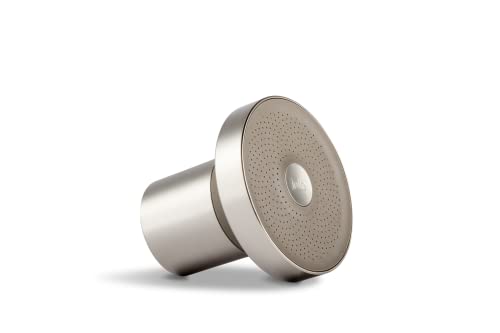
THE ONLY CLINICALLY PROVEN SHOWERHEAD TO FIGHT HAIR SHEDDING- You won’t find the results of our premium product anywhere else. Filtering your shower water with Jolie is clinically-proven to reduce hair shedding and the only shower filter available that is lab tested and verified by 158+ top publications.

Filter Shower Head Built in Solid Metal — Crafted from 304 stainless steel and lead-free brass, this premium filtered shower head uses a proven internal water filter to deliver cleaner water that supports healthier skin and stronger-feeling hair.

[Improve Water Quality] Solves hard water problems without the need for chemicals, salt, or maintenance, while keeping healthy minerals in the water by preventing scale deposits from forming and allowing existing scale to break down.
Visible Signs of Hard Water in Your Shower

Shower surfaces often serve as telltale indicators of hard water‘s impact, presenting visible signs that can enhance or detract from the cleanliness and overall experience of the bathroom. Hard water leaves behind a white, chalky film on surfaces, primarily soap scum formed by reactions of calcium and magnesium with soap. This mineral buildup can clog showerhead nozzles, reducing water flow and disrupting spray patterns. Additionally, water droplets that dry on fixtures create unsightly white or green stains, giving the bathroom a neglected appearance. Users may struggle to lather soap and shampoo, leading to increased product consumption. Persistent dry and irritated skin or hair that feels dull may also suggest hard water’s detrimental effects, highlighting the need for effective water treatment solutions. Using products like CLR Pro Calcium can help remove mineral build-up and restore cleanliness to affected surfaces.
Recommended Products

MADE IN THE USA - Proudly made right here in the USA at our Wisconsin headquarters and formulated with cutting-edge German ingredients, Flitz delivers unbeatable quality you can trust. Our formula easily dissolves bathroom film in just 30 seconds, lifts away stuck-on grime on showers, toilets, and more! Made to last and perform each time

Rust Off removes rust stains from most any surface in sands! Just spray and watch as the rust stains disappear!

AUTHENTICALLY BOTANICAL: All Benefect products are formulated with botanical ingredients. Identified by the EPA as having no known adverse effects to human health or the environment.
Health Implications of Hard Water Exposure

How might exposure to hard water affect overall skin and hair health? Hard water can lead to skin irritation and dryness, stripping natural oils that are essential for maintaining healthy skin. This condition can exacerbate issues like eczema and dermatitis, making showers uncomfortable. Additionally, soap scum forms when minerals in hard water combine with soap, potentially clogging pores and trapping moisture, leading to breakouts and other skin irritations. For hair, hard water diminishes moisture retention, resulting in increased hair breakage and dullness due to mineral residue. An itchy scalp may also develop as the residue negatively interacts with hair products, causing discomfort. Moreover, health risks arise from mineral buildup on surfaces, increasing the chances of slips and falls during shower experiences. It’s important to regularly check for leaks and ensure fittings are secure to avoid water damage and prolong the lifespan of bathroom fixtures.
Effective Solutions for Hard Water Problems

Addressing the challenges posed by hard water involves a variety of effective solutions that aim to improve both water quality and overall user experience. Whole-house water softeners operate through ion exchange, effectively eliminating hard water minerals, consequently preventing scale buildup in plumbing systems. Shower filters, designed to target specific minerals, greatly enhance the lathering of soap and reduce irritation for skin and hair. Additionally, using specialty shampoos can improve cleansing despite hard water’s mineral deposits. For immediate relief from hard water effects, a temporary vinegar and water rinse offers a simple, effective solution. Investing in high-quality shower filter systems containing KDF and calcium sulfate effectively minimizes mineral deposits while ensuring ideal water flow, ultimately promoting better skin and hair care. Self-cleaning technology in showerheads can further reduce maintenance efforts by minimizing grime buildup and ensuring consistent water flow.
Recommended Products

Rainfall 9 inch shower head angle adjustable and height adjustable handheld three spray setting ,Use rain shower head and multi-function handheld shower spa at home

Mineral Mixture (Calcium Sulfide, Zinc, and Copper): Helps to reduce free chlorine, and remove hydrogen sulfide (rotten egg smell), iron oxide (rust water), dirt, sediment, and odors.

HEIGHT ADJUSTABLE SHOWER HEAD SOLID BRASS SHOWER COLUMN: Made column itself is made of sturdy solid brass and finished in an elegant Brushed Nickel, once this column is installed, it will complement any bathroom design. You won't have to modify your current in-wall plumbing to do your installation
Simple Fixes for a Better Shower Experience
Improving the shower experience can be achieved through several straightforward strategies that enhance both comfort and cleanliness. Installing shower head filters effectively reduces hard water minerals, minimizing mineral buildup and promoting better water flow. Regularly cleaning shower surfaces with a vinegar solution aids in dissolving limescale deposits, helping to maintain a pristine appearance. Utilizing specialty soaps formulated for hard water enhances lathering, improving cleanliness by combating the adverse effects of mineral residue. Whole-house water softeners address hard water issues at their source, yielding healthier skin and hair. Additionally, rinsing with diluted apple cider vinegar can remove mineral buildup, restoring the shine to hair. Incorporating Scrubbing Bubbles Foaming Bleach Cleaner can effectively tackle tough stains like mold and mildew, ensuring a thoroughly clean shower environment. These practices work collectively to guarantee a more enjoyable and efficient shower experience.
Recommended Products
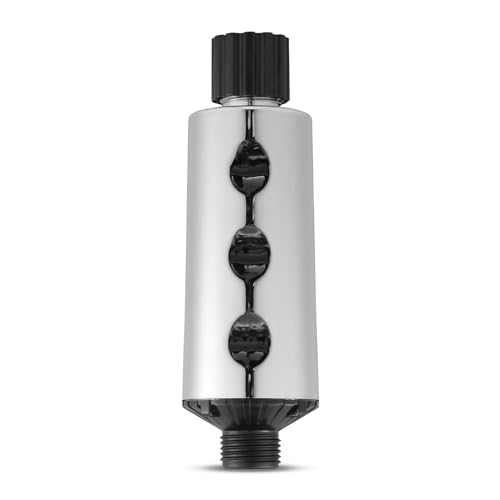
Order this 50-Pack for lightning-fast fulfillment. Shipped as a single, secure case directly from a local US warehouse, avoiding slow, multi-box shipments from Amazon fulfillment centers.

Single-function rain showerhead

Superior spray performance with Katalyst air-induction spray technology delivers a luxurious and drenching "rain" experience
Frequently Asked Questions
How to Deal With Hard Water for Shower?
To deal with hard water for showers, one should prioritize regular shower head maintenance, explore water softening options, utilize filtration systems for mineral deposits, and adopt eco-friendly solutions to enhance hair health and minimize skin irritation.
How Does Hard Water Affect Showers?
Hard water effects plague showers, causing buildup and stubborn water spots. Users face skin irritation, poor soap lathering, and compromised hair texture, while plumbing issues and appliance damage arise from constant exposure to high mineral content.
How to Convert Hard Water to Soft Water Naturally?
To convert hard water to soft water naturally, one might use natural water softeners like vinegar rinse, baking soda, Epsom salt, citrus acid, lemon juice, herbal infusions, and even install a salt filter for effective mineral reduction.
How to Protect a Shower From Hard Water?
In this modern age, one can guard against hard water by installing shower filters and water softeners, utilizing a vinegar rinse and baking soda, while exploring various showerheads options and adopting diligent cleaning hacks in their maintenance routine.


