As an Amazon Associate, we earn from qualifying purchases. Some links on this site are affiliate links at no extra cost to you. Our recommendations are based on thorough research and editorial judgment.


How to Descale a Shower Head the Right Way

To descale a shower head effectively, first remove it using an adjustable wrench, ensuring a protective rag is used to avoid scratches. Submerge the shower head in distilled white vinegar for 30-60 minutes to dissolve limescale. After soaking, scrub stubborn deposits with an old toothbrush, then rinse thoroughly. For fixed models, secure a vinegar-filled plastic bag around the head for about 30 minutes. This method enhances water flow and promotes hygiene. Further techniques and tips await discovery.
Key Takeaways
- Remove the showerhead using an adjustable wrench for easy access and effective cleaning.
- Soak the showerhead in distilled white vinegar for 30-60 minutes to dissolve limescale.
- Scrub remaining deposits with an old toothbrush to ensure thorough cleaning.
- Rinse under running water to eliminate vinegar and loose debris before reinstalling.
- Perform descaling monthly, or bi-weekly in hard water areas, to maintain optimal performance.
Importance of Cleaning Shower Heads
The cleanliness of showerheads is crucial for maintaining ideal water flow and quality, as hard water can lead to considerable limescale buildup over time. This accumulation not only diminishes water pressure but also creates an environment conducive to bacteria and mold growth, compromising hygiene. Cleaning showerheads regularly is important to make certain they remain functioning effectively, helping to remove any deposits that hamper performance. Techniques such as using vinegar can efficiently dissolve mineral deposits, making the descaling process simple and effective. Establishing a monthly cleaning schedule can notably prolong the lifespan of the showerhead while making certain consistent water quality. A clean showerhead enhances overall shower performance, fostering a more enjoyable and effective showering experience for users. Sliding shower doors with ANSI-certified tempered glass also contribute to a modern bathroom’s functionality and safety.
Tools and Products Needed

When preparing to descale a showerhead, having an array of appropriate tools and products is essential for achieving ideal results. An adjustable wrench will facilitate the removal of the showerhead, providing access for cleaning. Distilled white vinegar is the preferred cleaning agent due to its acidity, which effectively dissolves mineral buildup and limescale. A large bowl is necessary to submerge the showerhead in a vinegar solution, ensuring full coverage for excellent results. An old toothbrush serves as an effective scrubbing tool for stubborn deposits, while items like toothpicks or cotton swabs assist in dislodging debris from tight spaces. For any persistent stains that remain after descaling, consider using metal polish, such as Brasso, as a final touch. Consider exploring high-quality aluminum alloy mirrors for their durability and resistance to rust, making them a great addition to bathroom spaces.
Recommended Products

STYLE & FUNCTION - 56-60 in W x 57 in H. The adjustable width of this bathtub door with sliding glass doors is ideal for many sizes. Double sliding bypass design for left or right side entry lets you choose how you enter the shower; Includes one towel bar and one finger pull in brushed nickel finish

STYLE & FUNCTION - 52-56 in W x 56 in H. The adjustable width of this bathtub door with sliding glass doors is ideal for many sizes. Double sliding bypass design for left or right side entry lets you choose how you enter the shower; Includes one towel bar and one finger pull in chrome finish

5.28𝗚𝗣𝗠/20𝗟 𝗣𝗿𝗼𝗽𝗮𝗻𝗲 𝗪𝗮𝘁𝗲𝗿 𝗛𝗲𝗮𝘁𝗲𝗿 - Maximum power output 136,000 BTU/Hr.The temperature raise is 109.4℉ (43℃) at its highest point and 55.4℉ (13℃) is at its lowest point of 5.28 GPM. Also, 5.28 gallons of hot water can be produced per minute at the flow rate of 5.28 GPM. Low water pressure start up, just need 4.0 PSI of water pressure to start.
Steps for Cleaning Handheld Shower Heads

Cleaning a handheld shower head can be a straightforward yet rewarding task that enhances the overall bathing experience. To begin, detach the showerhead from the hose for improved accessibility. Next, submerge it in a container filled with distilled white vinegar, allowing it to soak for at least 30 minutes and ideally up to one hour for the best limescale removal. After soaking, use an old toothbrush to scrub away any remaining deposits and confirm that all surfaces are clean. Once thorough, rinse the shower head under running water to remove any vinegar and loosened debris. Finally, for a polished finish, wipe the exterior with a soft cloth, maintaining its shine and preventing water spots, which allows you to enjoy a truly clean shower experience. Additionally, ensure that filters are replaced regularly to maintain effective impurity reduction and enhance water quality.
Recommended Products

Modern Freestanding Design: Delta Faucet Stryke Floor-Mount Tub Filler features a high-arc rigid spout for a contemporary, stand-alone bathtub upgrade

Modern Freestanding Design: Delta Faucet Floor-Mount Tub Filler features a square high-arc spout for a contemporary, stand-alone bathtub upgrade
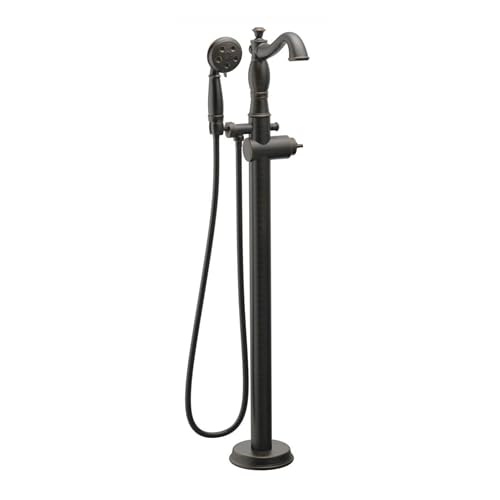
Elegant Freestanding Design: Delta Faucet Cassidy Floor-Mount Tub Filler features a traditional swivel spout for a classic, stand-alone bathtub upgrade
Cleaning Fixed Shower Heads

Fixed shower heads, much like their handheld counterparts, can accumulate limescale and mineral buildup over time, impacting water flow and overall performance. To effectively clean a shower head, users should secure a plastic bag filled with distilled white vinegar around the fixture using a rubber band or string. This method guarantees complete immersion of the shower head. It is advisable to let the shower head soak in vinegar for at least 30 minutes, or longer for heavier limescale buildup, although brass fixtures should limit exposure to 30 minutes to avoid damage. After soaking, turning on the shower briefly will flush out any remaining debris and vinegar solution, enhancing water flow and performance with regular maintenance ideally performed once a month. When selecting a bathroom mirror with a shelf, consider the size and dimensions to ensure a proper fit without overwhelming the space, while also providing easy access to essential items.
Recommended Products

[AROMATHERAPY AT HOME] Comes with a quiet aromatherapy steam head that can drip essential oils. Let your family enjoy the luxury private aromatherapy anytime! It will be an absolutely worthwhile investment in health.

DISSOLVES CALCIUM, LIME, RUST, BARNACLES AND MUSSELS QUICKLY AND EFFECTIVELY!

Helps maintain the performance and extend the life of your tankless hot water heater.
How to Deep Clean a Showerhead

Deep cleaning a showerhead is essential for maintaining peak performance, ensuring that water flows freely and efficiently. To begin, carefully remove the showerhead from the shower arm using an adjustable wrench while protecting the finish with a rag. Rinse the showerhead upside down under running water to flush out debris before soaking it in vinegar to tackle any remaining limescale. Acrylic shower walls often have non-porous surfaces that resist mold and bacteria buildup, making them easy to clean and maintain. For stubborn build-up, start cleaning by using an old toothbrush dipped in vinegar, effectively scrubbing away accumulated residues. If necessary, dismantle the showerhead and utilize a toothpick or safety pin to dislodge any remaining deposits from small holes. Finally, rinse the showerhead thoroughly to remove any vinegar residues before reattaching it, ensuring optimal water flow.
Recommended Products

【𝐔𝐩𝐠𝐫𝐚𝐝𝐞𝐝 𝐒𝐩𝐥𝐢𝐭𝐭𝐞𝐫 𝐃𝐞𝐬𝐢𝐠𝐧 – 𝐄𝐚𝐬𝐲 𝐀𝐜𝐜𝐞𝐬𝐬 𝐰𝐢𝐭𝐡 𝐋𝐨𝐰𝐞𝐫 𝐇𝐚𝐧𝐝𝐡𝐞𝐥𝐝 𝐒𝐩𝐫𝐚𝐲】PSYLC adds an additional extension arm to the original design, allowing the handheld holder and diverter switch to be positioned lower for easier access. This upgraded structure solves the common issue of diverters being too high to reach, making it more convenient for women and children to use the handheld spray without raising their arms.
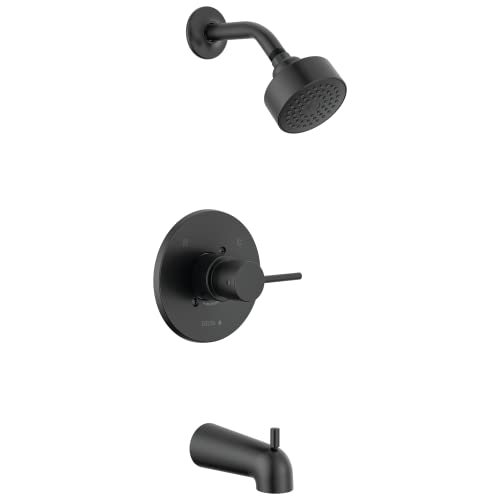
ROUGH SOLD SEPARATELY: Tub/ shower faucet trim kit only, purchase Delta's MultiChoice Universal Shower Valve separately to complete the unit (recommended rough-in valve model R10000-UNBX)
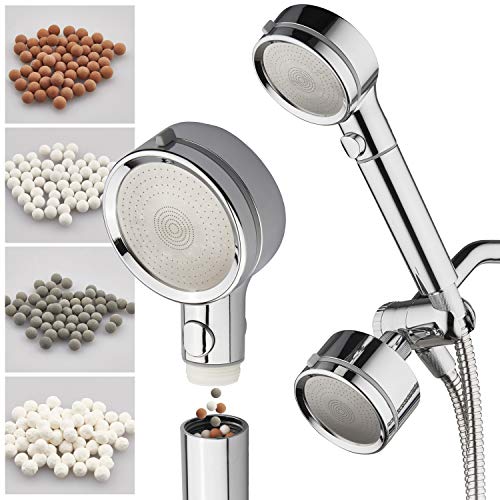
3-SETTING SUPER-CHARGED SHOWER HEAD & HAND SHOWER with LASER-TUNNEL PERFORATION TECHNOLOGY deliver amazing water pressure that can knock your socks off (if only you wore them in the shower), yet the flow is silky-soft and gratifying! | Laser Perforated Micro-Jets form swirling power tunnels that blast out microscopic droplets of mixed air and water with incredible power and flow velocity | Both showers can be used separately or together for the ultimate shower pampering
Securing the Vinegar Bag
Securing the vinegar bag is an essential step in the descaling process, as it assures that the showerhead is fully immersed in the vinegar solution for top cleaning. To begin, fill a zip-top plastic bag with sufficient distilled white vinegar, ensuring it covers the shower head entirely. Next, place a rubber band around the top of the showerhead, creating a snug fit for the vinegar bag. For added stability, loop the band around the shower arm. Once positioned, stretch the rubber band to hold the bag tightly against the showerhead, confirming full immersion. It is important to periodically check the secure attachment during soaking time to prevent any spills or slippage of the bag, maintaining ideal cleaning conditions. Teak bath mats are a great addition to bathrooms due to their moisture-resistant properties and elegant design.
Soaking Technique for Effective Descaling
To effectively scale back the buildup of limescale and mineral deposits, utilizing a soaking technique is an essential aspect of maintaining a showerhead’s performance and longevity. This method involves fully immersing the showerhead in a vinegar solution, which effectively dissolves mineral buildup. For fixed showerheads, one can use a plastic bag filled with distilled white vinegar, tightly secured around the showerhead, allowing it to soak for at least 30 minutes to an hour. Handheld showerheads can be submerged directly in a container of vinegar for a minimum of 30 minutes, enhancing descaling results. Regular use of this soaking technique promotes peak water flow efficiency, preventing harmful bacteria and mold. Non-slip designs for safety in wet areas are also crucial around the bathroom. After soaking, it is vital to rinse the showerhead thoroughly under running water.
Removing and Dismantling the Showerhead
Having prepared the showerhead for descale through the soaking technique, the next step involves removing and dismantling the showerhead to allow for a thorough clean. First, guarantee the water supply is turned off to prevent any leaks during the process. Using an adjustable wrench, apply a rag for cushioning around the nut at the shower arm to avoid damaging the finish while unscrewing. Carefully detach your showerhead, and before further cleaning, rinse the showerhead upside down under a faucet to remove loose debris. Once rinsed, disassemble the showerhead by unscrewing any components or filters, taking note of their order for easy reassembly later. This careful approach facilitates effective cleaning and guarantees the longevity of the showerhead. Consider non-slip surfaces when choosing bathroom fixtures to enhance safety during maintenance and use.
Post-Soaking Cleaning Steps
After soaking the showerhead in vinegar to loosen the limescale and mineral deposits, it is time to tackle the remaining buildup with focused cleaning techniques. Using an old toothbrush, scrub the showerhead to effectively dislodge and remove persistent limescale and mineral deposits. Following the scrubbing process, thoroughly rinse the showerhead under running water to eliminate all vinegar residue and any dislodged grime. Inspect the water inlet for debris and potential clogs, verifying it is clear to promote ideal water flow before reattaching the fixture. For tighter spaces or threading, cotton swabs are useful for cleaning any accumulated buildup. The Mcyye Self-Draining Soap Dishes feature silicone construction that makes them easy to clean, which is a helpful trait for managing soap residue. Finally, replace any worn sealant tape on the threads, which will prevent leaks and guarantee a proper seal once the showerhead is reattached.
Frequency of Cleaning Your Showerhead
How often should a showerhead be cleaned to guarantee peak performance? To maintain ideal water flow and prevent limescale buildup, it is recommended to descale your showerhead at least once a month. In regions affected by hard water, increasing the cleaning frequency to bi-weekly or even weekly may be necessary to combat accelerated mineral accumulation. Regular cleaning not only enhances water pressure but also minimizes the risk of bacteria and mold growth within the showerhead. Monitoring for signs of buildup, such as reduced water flow or visible scale, can help homeowners address potential issues before they worsen. Incorporating vinegar into a weekly bathroom routine can effectively prevent mineral deposits from forming, simplifying deep cleaning efforts in the long run. To protect bathroom surfaces from moisture, consider using waterproof and heat-resistant subway tiles, which offer durability and ease of maintenance.
Alternative Cleaning Techniques
Maintaining a clean showerhead is not only a matter of aesthetics but also a matter of functionality, especially after considering the recommended monthly cleaning frequency. For non-removable showerheads, an effective alternative involves securing a bag filled with a vinegar solution around the showerhead, using thick rubber bands or zip ties, allowing it to soak. This method effectively dissolves limescale. For persistent mineral deposits, combining baking soda with distilled vinegar creates a foaming reaction, enhancing cleaning power. During the soaking process, it is essential to monitor the bag’s coverage to guarantee complete submersion. Additionally, utilizing a soft-bristle toothbrush or cotton swabs can help remove debris carefully, preventing any damage to the showerhead’s finish and ensuring its long-lasting appearance and functionality.
Recommended Products
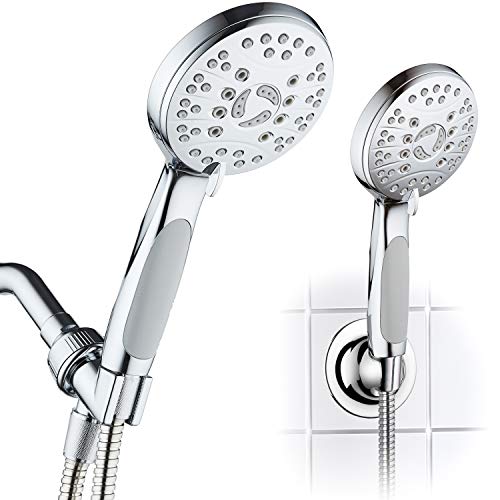
TRUSTED AMERICAN BRAND designed for years of flawless performance by our U.S. team of showerhead experts | Vigorously tested to meet top American quality and high-efficiency standards | Independently tested and certified to meet legal DOE compliance requirements (unlike most other showerheads offered on internet)

ONE IN A MILL Citric Acid is an all-natural, versatile powder derived from citrus fruits. It meets high-quality standards, being non-GMO and kosher. Incorporate it into your cooking, baking, skincare, and cleaning routines for its multi-purpose benefits.

EFFECTIVE LIMESCALE REMOVAL – Removes hard-water stains, rust, and buildup using a natural vinegar & citric acid formula. IMPORTANT SIZE NOTE – Fits shower heads up to 6” in diameter. Please measure before purchase. Not suitable for oversized rain shower heads. EASY TO USE – Mix, attach, and soak. No disassembly or tools required. SAFE & ECO-FRIENDLY – Non-toxic, biodegradable ingredients safe for home and family. REGULAR CLEANING MADE SIMPLE – Helps keep your showerhead clean and lasting longer. COMPLETE KIT – Includes cleaner, powder, 2 sealing bags, 2 brushes, strap, gloves & manual.
Safety Tips and Recommendations
Safety remains a paramount consideration when undertaking any cleaning task, particularly one involving acidic solutions like vinegar. To protect eyes from vinegar splashes and debris, individuals should always wear safety glasses during the cleaning process. When using tools such as adjustable wrenches or pliers, it’s advisable to wrap the jaw edges with a rag to avoid scratching the showerhead’s finish. Before applying the vinegar solution, testing it on a small, inconspicuous area guarantees compatibility with the material. Employ non-abrasive cleaning cloths and soft brushes, like toothbrushes, to effectively remove limescale while minimizing surface damage. Additionally, vinegar should be stored securely in a child-proof location, and handled with care, as it may cause skin and eye irritation if not managed properly.
Frequently Asked Questions
What Is the Best Way to Descale a Shower Head?
The best way to descale a shower head involves effective descaling techniques, such as soaking in vinegar for fixed models or submerging handheld units, to combat mineral buildup and guarantee maximum showerhead maintenance.
How Long Should You Let a Showerhead Soak in Vinegar?
The recommended soak duration for a showerhead in vinegar is at least 30 minutes. Longer soaking improves vinegar effectiveness against limescale, contributing to overall showerhead maintenance and ensuring ideal water flow efficiency.
How to Decalcify a Shower Head Without Removing It?
To decalcify a shower head without removal, one may embrace the vinegar solution effectiveness. By soaking it in a bag of vinegar, they enhance shower head maintenance while exploring alternative cleaning methods for ideal results.
Should I Soak My Shower Head in Vinegar or Bleach?
Soaking a shower head in vinegar offers numerous benefits, effectively removing limescale. In contrast, bleach poses dangers, including harmful fumes and potential damage. Consequently, vinegar remains the superior alternative solution for cleaning.


