As an Amazon Associate, we earn from qualifying purchases. Some links on this site are affiliate links at no extra cost to you. Our recommendations are based on thorough research and editorial judgment.

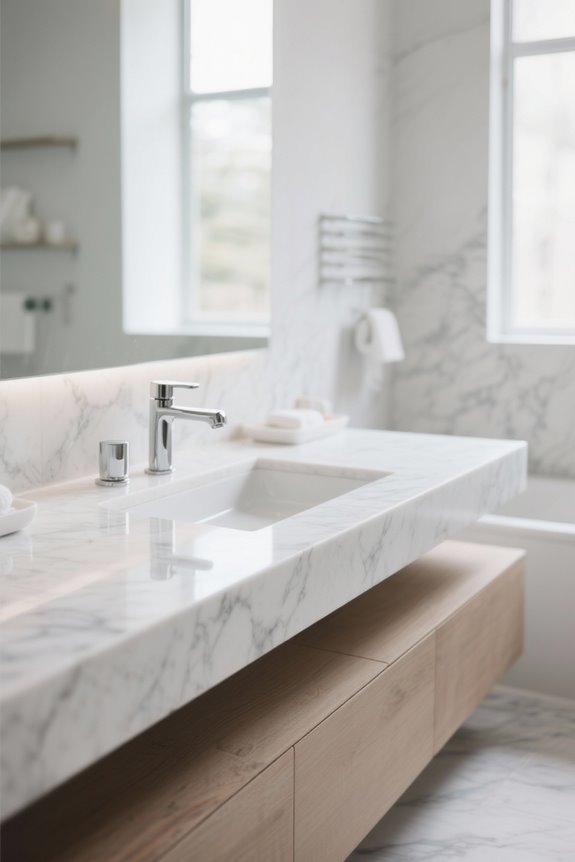
Preventing Silvering and Edge Damage Over Time

To prevent silvering and edge damage over time, one must guarantee a dry environment, as moisture exposure can substantially degrade mirror quality. Employ non-abrasive, pH-neutral cleaners on the reflective surface, and consider protective sealants, such as clear nail varnish, to shield edges from humidity. Additionally, regular drying after use, the installation of dehumidifiers, and ventilation improvements can minimize condensation risks. Following these methods effectively extends the mirror’s life and maintains its reflective properties. Further insights on preservation techniques await.
Key Takeaways
- Maintain low humidity levels with adequate ventilation to reduce moisture exposure, preventing silvering and edge damage.
- Use non-abrasive cleaners to avoid harming the reflective coating during regular cleaning.
- Regularly apply protective sealants or clear nail varnish to create moisture barriers around mirror edges.
- Store mirrors in dry, well-ventilated areas to minimize condensation and moisture buildup.
- Inspect mirrors periodically and repair any damages promptly to prolong their lifespan.
Understanding Mirror Silvering and Desilvering
Understanding mirror silvering and desilvering involves a two-fold examination of its fundamental principles and their implications on mirror longevity. Mirror silvering, achieved through a reflective coating of silver or aluminum, is essential for creating a mirror’s clear reflection. Conversely, desilvering occurs when this coating deteriorates, often leading to unsightly black edges and cloudy areas due to moisture exposure in high humidity environments, like bathrooms and kitchens. This deterioration can reduce reflectivity by up to 30% within three years. Effective mirror maintenance, including non-abrasive cleaning methods and controlling humidity levels, can greatly prevent desilvering. In addition, applying a protective sealant around edges enhances durability, mitigates moisture infiltration, and ultimately protects against edge damage, thereby prolonging the life of mirrors. An important consideration when installing fixtures in bathrooms is to ensure that they are resistant to tarnish and corrosion to prevent similar degradation issues.
Common Causes of Mirror Desilvering

Desilvering of mirrors primarily occurs due to several interrelated factors, particularly moisture exposure and improper cleaning techniques. High humidity environments, like bathrooms, can contribute greatly to mirror desilvering, causing a loss of up to 30% of reflective quality in as little as three years. Moisture infiltration into the backing of mirrors exacerbates this issue, leading to dark patches and visible spots, which indicate mirror damage. Additionally, improper cleaning methods, particularly those utilizing ammonia-based products, can further harm protective layers, accelerating the pace of desilvering. Aging and degradation of even high-quality mirrors over time also play an important role, making it essential for individuals to understand common causes to effectively prevent desilvering and preserve their mirrors. Many modern frameless bathroom mirrors incorporate shatter-resistant glass to improve durability and reduce the risk of damage over time.
Effective Methods for Preventing Moisture Damage

While maintaining proper care for mirrors, it is essential to implement effective strategies to prevent moisture damage, which can lead to significant desilvering over time. Installing adequate ventilation systems in bathrooms is vital; these reduce humidity, thereby minimizing moisture exposure. Regularly wiping down bathroom mirrors after each use serves to further diminish moisture accumulation that harms the reflective coating. Utilizing non-abrasive cleaners is necessary, as harsh chemicals can expedite oxidation of the silver layer, resulting in premature desilvering. Additionally, applying edge sealants or clear nail varnish on mirror edges effectively creates a moisture barrier, allowing mirrors to extend their lifespan. Finally, storing mirrors in dry, well-ventilated areas prevents condensation buildup that threatens mirror integrity. Incorporating eco-friendly materials in bathroom accessory sets not only enhances aesthetics but also contributes to reducing moisture-related issues around mirrors.
Recommended Products

Solve Your Kitchen Counter Water Problems: This long, flexible water guard(0.6 inch high) is designed to be put on the edge of the smooth countertop or around the kitchen sink,to be a water dam /barrier to avoid the splashing water and keep you dry while dish washing. No water drip, no floor drain,no cabinet soaking. The collapsible silicone water blocking strip has a white clean appearance,well matched with the surroundings, a great decor to your modern kitchen.

Easy to install : Clean and dry the surface,cut to the length you need,peel the self-adhesive strip on the bottom, press to the surface,the edges of the water retaining strip must be sealed with silicone sealant.In the corner, we recommend that you cut it to 45 degrees, and then connect the two parts.(For better stickiness, heat up the tape with hair dryer)

Self-Adhesive Edge Trim: This U channel edge trim can be installed directly without glue as it's self-adhesive trim; The glue on the edge trim is easy to remove and does not corrode the product, no marks will remain on the product after removing the edge trim
Best Practices for Regular Maintenance
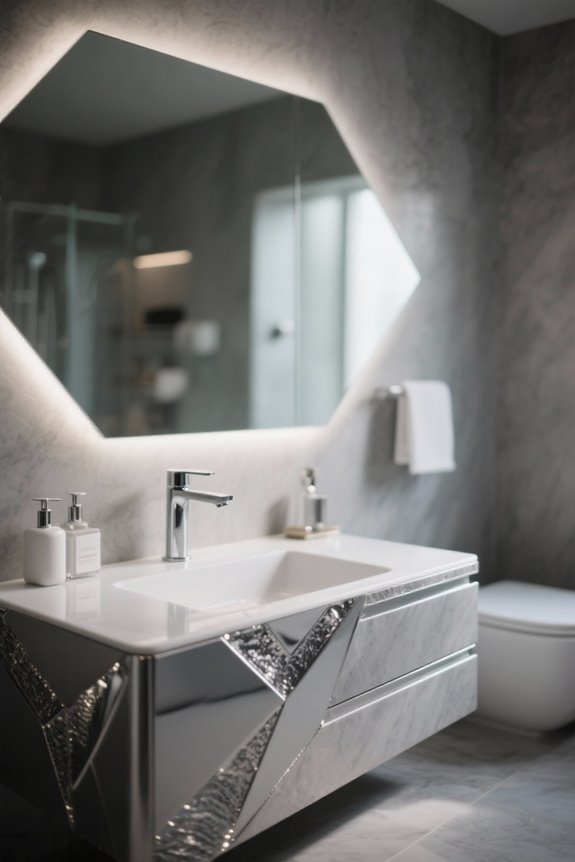
Maintaining mirrors requires consistent attention to detail, emphasizing best practices that extend their lifespan and enhance their appearance. Regularly cleaning mirrors with soft, non-abrasive cloths and pH-neutral cleaners is essential to avoid degrading the reflective coating, thereby preventing desilvering. After each use, particularly in high-humidity areas like bathrooms, it is important to dry the mirror with a towel to eliminate moisture and reduce oxidation risk. Consider applying a protective sealant around the edges to create a moisture barrier, minimizing edge damage. Additionally, using dehumidifiers or improving ventilation in humid spaces can limit moisture buildup, which is a primary cause of mirror desilvering. Periodic inspections for aging signs and prompt repairs using edge repair tape or desilvering kits further prolong mirror longevity. To ensure distortion-free reflections, using high-definition glass with waterproof coatings is recommended.
Recommended Products

HIGH QUALITY FLEXIBLE MIRROR CHROME PVC TRIM – This trim is durable and long-lasting. Made to cover the edges of furniture, shelves, machines and general DIY projects, this edge trim can be applied with a roller or a wood block for a perfect bond to any type of surface.
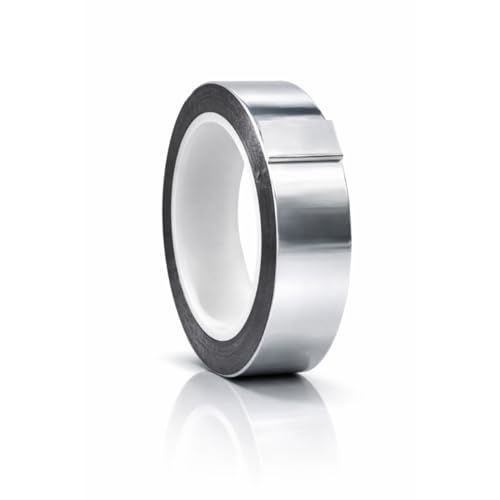
Silver Chrome Tape - Made with Metalized Polyester Film and a glossy, vibrant mirror-like finish coated with a thin layer of metal and with a long-lasting acrylic adhesive system with perfect stronghold adhesion.
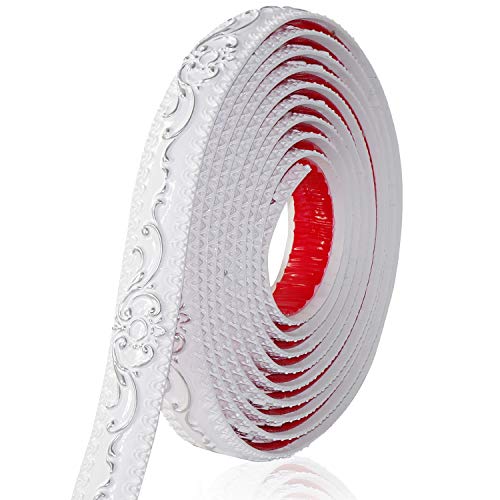
EASY TO USE AND HIGH QUALITY - Measure and cut the length you need, peel off the adhesive backing and stick to smooth surface, high viscosity and long lasting. No sticky left after peeling.
Innovative Products for Mirror Protection

Several innovative products have emerged to enhance mirror protection, effectively addressing issues like moisture damage and desilvering. Protective sealants, such as clear nail varnish or silicone, are easily applied to mirror edges to create a moisture barrier that helps prevent de-silvering over time. Additionally, regular applications of WD-40 can serve as a water repellent, considerably prolonging the lifespan of the reflective coating. Mirror edge repair tape provides an immediate remedy for minor edge damage, covering desilvered areas and extending usability for up to two years. Furthermore, using high-quality mirrors, including LED designs that resist condensation damage, can drastically reduce the risk of future water damage, ensuring the longevity and reliability of reflective surfaces. To further protect mirrors in high-moisture areas, consider using mold resistant caulk to seal joints and prevent moisture infiltration.
Recommended Products
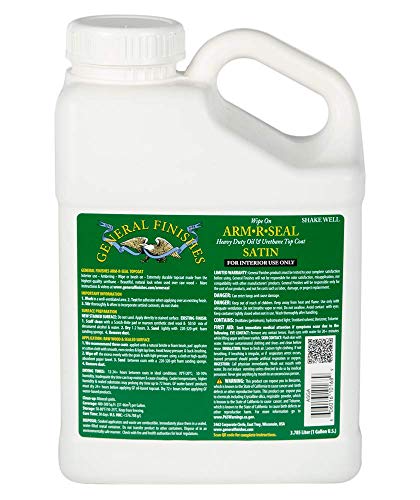
Arm-R-Seal topcoats are made with only the highest quality urethane resin

The information below is per-pack only
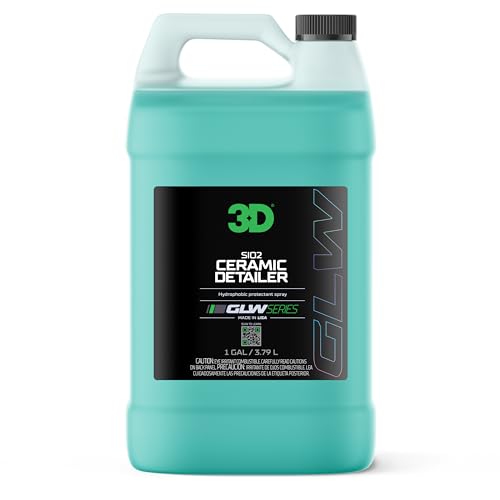
Advanced SiO2 Formula: Infused with cutting-edge SiO2 (Silicon Dioxide) polymers, 3D GLW Series Ceramic Detailer delivers long-lasting protection and enhanced slickness. Perfect for boosting ceramic coatings or adding stand-alone defense
Alternative Solutions for Repairing Desilvered Areas
How can homeowners effectively address desilvered areas on mirrors without the need for professional intervention? Utilizing a mirror desilvering kit can effectively restore minor damage by following simple instructions to rejuvenate the reflective coating. When desilvering occurs, covering dark edges with repair tape offers a quick cosmetic fix, available in various colors and materials that can last up to two years. Additionally, applying a protective sealant creates a moisture barrier, markedly reducing the risk of future desilvering. To prolong mirror life, maintaining a controlled environment with managed humidity levels is essential, serving as a preventative measure against moisture infiltration. For extensive damage, however, professional resilvering remains the best solution, extending the mirror’s lifespan by another 10-15 years. Adding a non-slip surface to your bathroom setup can further protect mirrors from moisture-related issues by reducing the chance of water splashing onto them.
Recommended Products

Front and back image shown - pkg only includes one mirror 3x magnification - Measures 2mm x 50.8 mm Position the mirror with the easy-to-use suction cup. Visually monitor...
Frequently Asked Questions
How Do You Prevent Mirror Silvering?
To prevent mirror silvering, heeding mirror maintenance tips is essential. Utilizing humidity control strategies, selecting appropriate frame materials, and applying proper mirror coating techniques can greatly prolong its lifespan while minimizing risks associated with sunlight exposure and humidity.
Can You Repair Mirror Silvering?
Mirror silvering can be repaired using DIY mirror repair kits featuring silver restoration techniques, adhesive application methods, and effective mirror cleaning solutions. For extensive damage, professional mirror services may guarantee proper silvering causes analysis and restore the reflective surface.
How to Fix Mirror Edge Desilvering?
To fix mirror edge desilvering, employ DIY repair kits and silvering repair techniques, while utilizing edge sealing solutions. Incorporate protective coatings and maintenance practices, alongside humidity control strategies, to enhance longevity and appearance.
How to Protect Mirror Edge?
To protect mirror edges, implement effective mirror care through edge sealing, use protective coatings and moisture barriers, adopt proper cleaning techniques, choose suitable frame options, and establish maintenance routines including ideal storage tips and potential DIY repairs.


