As an Amazon Associate, we earn from qualifying purchases. Some links on this site are affiliate links at no extra cost to you. Our recommendations are based on thorough research and editorial judgment.


Hanging Heavy Mirrors Safely: Anchors and Adhesives

Hanging heavy mirrors safely requires evaluating wall materials and mirror weight, essential for selecting appropriate anchors. For drywall, plastic anchors support up to 10 lbs, while metal anchors can handle 50 lbs. Utilizing D-rings, hanging wire, or wall hooks enhances stability; for instance, 3M CLAW™ hangers enable tool-free installation for mirrors up to 65 lbs. Always verify the weight limits, drill pilot holes, and conduct post-installation stability checks. Understanding these details guarantees a secure display that enhances your space.
Key Takeaways
- Assess the mirror’s weight and choose anchors that exceed that weight for secure installation.
- Utilize wall studs for optimal support when hanging heavy mirrors; use a stud finder tool.
- Select appropriate hanging hardware, like D-rings for lighter mirrors and wall hooks for heavier ones.
- Wear safety glasses and gloves, and check for hidden wiring before drilling into walls.
- Conduct regular stability checks post-installation to ensure the mirror remains securely hung.
Assessing Wall Material and Mirror Weight
When commencing the task of hanging a heavy mirror, it is essential to first assess the wall material and accurately gauge the weight of the mirror, as these factors play a critical role in determining the appropriate hardware for installation. Different wall types, such as drywall and plaster walls, require specific anchors for secure installation. Weighing the mirror on a bathroom scale helps ascertain selected hanging hardware can adequately support its weight, including any additional burden from the frame and mounting. Heavy mirrors typically require robust anchors; plastic drywall anchors support up to 10 lbs, while metal anchors handle 50 lbs. Understanding the weight limits of various anchors and adhesives guarantees a safe and stable picture hanging experience, eliminating risks of failure. It is also important to consider the installation types of towel racks, as wall-mounted options save space and promote efficient drying.
Choosing the Right Anchors for Your Wall

After evaluating wall material and mirror weight, selecting the right anchors becomes essential for safely hanging a heavy mirror. The wall type directly influences anchor choice; for instance, plastic drywall anchors generally support up to 10 lbs, while metal self-drilling anchors accommodate up to 50 lbs, and sleeve anchors for masonry can sustain over 100 lbs. It is vital to choose anchors that exceed the mirror’s total weight, including any additional frame or hardware. Utilizing a stud finder to locate wooden studs provides the strongest support for heavy mirrors. Proper installation of anchors includes drilling pilot holes approximately 1½ inches deep and ensuring they are flush with the wall, which promotes secure placement and stability for hanging heavy mirrors. Non-slip designs are crucial for enhancing safety in other household applications, like bathroom areas where quick-dry bath mats are often used.
Understanding Different Types of Hanging Hardware

Hanging hardware plays an essential role in ensuring that heavy mirrors are securely attached to walls, facilitating both stability and safety. D-rings are effective for lighter mirrors, supporting weights of 1-Hole up to 25 lbs and 2-Hole up to 40 lbs. For heavier mirrors, wall hooks are ideal, designed specifically for robust support across various wall materials. Hanging wire varies in strength, with options like traditional braided wire handling between 12-36 lbs, while stainless steel can support 25-100 lbs. Anchors, particularly in drywall, are vital; plastic anchors support up to 10 lbs, while metal self-drilling anchors can handle up to 50 lbs. Metal cleats provide exceptional stability, allowing weight distribution across interlocking brackets for a secure hang. When choosing a medicine cabinet, it is crucial to evaluate materials for durability, especially considering long-lasting use in humid environments.
Recommended Products
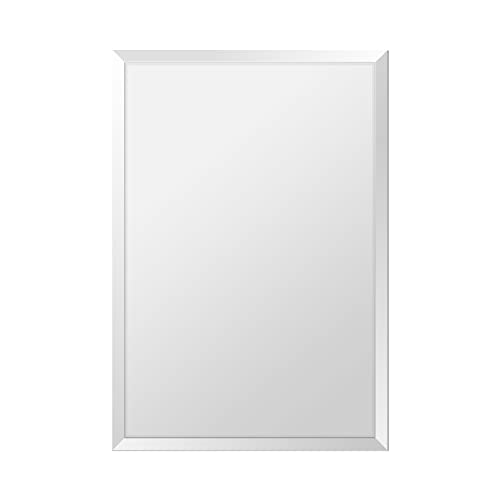
STUNNING FRAMELESS RECTANGLE MIRROR DESIGN - Experience crystal-clear undistorted reflections with our 1/4 inch (6mm) thick tempered glass mirror featuring an elegant 1-inch polished beveled edge that adds sophisticated modern style and catches natural light beautifully in any bathroom vanity or living space.

HEAVY DUTY LEAD ALLOY CONSTRUCTION: Made from premium metal wall anchors, heavy-duty anchors lead alloy material that provides superior strength and flexibility for demanding heavy-duty wall anchors applications. The metal anchors composition offers exceptional durability while maintaining the malleability needed to conform to irregular holes where standard plastic anchors would fail. This adaptive capability is crucial for wall anchor repair applications and masonry anchors installations.

【Solid Aluminum Construction & Hold up to 500 Pounds】- Say goodbye to worries about your hanging items falling due to insufficient load-bearing capacity! Unlumm French cleat hanger is crafted from heavy-duty, 3 mm thick aircraft-grade aluminum, providing exceptional strength and durability. Keep your valuable equipment securely mounted on the wall with this reliable heavy duty french cleat hanger, rigorously tested to support up to 500 pounds. Enjoy peace of mind knowing your items are safe and secure
Installation Techniques for Heavy Mirrors

Selecting the appropriate installation technique for heavy mirrors is integral to their enduring stability and aesthetic appeal. To securely hang a heavy mirror, one must accurately measure the distance and weight, accounting for the mirror frame and any attached hardware. Using specialized hardware for hanging, such as D-rings and hanging wires, is advisable; these methods should align properly to ascertain a level display. For heavy mirrors weighing up to 65 lbs, 3M CLAW™ Drywall Picture Hangers provide an alternative installation technique that requires no studs or tools. In masonry walls, it’s crucial to use a hammer drill to create suitable holes for anchors, ensuring the screws are aligned and secure. Regular maintenance checks will help maintain the mirror’s safely positioned state. Acrylic freestanding tubs, such as those made from high gloss LUCITE acrylic, also require careful consideration of installation techniques to ensure safety and longevity.
Safety Precautions During Installation

Securing safety during the installation of heavy mirrors is critical, given the potential hazards associated with the task. Installers should always wear safety glasses to protect their eyes, as well as gloves to shield hands from sharp edges. It is essential to check for hidden wiring using an electronic cable detector before drilling into the wall. Enlisting a helper can assist in maneuvering the heavy mirrors, thereby helping to guarantee proper placement while preventing back strain. Additionally, verify the weight limit of the selected anchors and adhesives to confirm they can support the combined weight of the mirror and any framing. After installation, regularly conduct stability checks by gently nudging the mirror to affirm it remains securely in place. Consider using eco-friendly and cost-effective options for materials to enhance both safety and environmental responsibility.
Common Mistakes to Avoid
Many novice installers often underestimate the intricacies involved in safely mounting heavy mirrors, which can lead to a range of issues that compromise both aesthetics and safety. One common mistake is failing to weigh the mirror, resulting in inadequate anchors that may not support the installation properly. Another frequent oversight is neglecting to assess the wall type, as different anchors are required for masonry versus drywall. Additionally, skipping the installation of bumpers on the back of the mirror can cause shifting and wall damage. Furthermore, failure to confirm the mirror is level not only affects visual appeal but can also undermine stability. Finally, neglecting to reinforce the mirror frame with additional hardware, such as angle brackets, markedly raises the risk of accidents. When selecting a mirror, consider choosing one made of shatterproof materials to ensure durability and safety during use.
Post-Installation Maintenance and Care
Although the installation of a heavy mirror can be a rewarding accomplishment, ongoing maintenance and care are vital to confirm its safety and longevity. Post-installation maintenance should include regularly checking that the mirror is secure by gently nudging it once a month; this helps detect any signs of movement or tilting. It is important to clean the mirror’s surface using a soft, lint-free cloth, avoiding abrasive cleaners to preserve its sheen. Additionally, monitor for signs of wall or anchor degradation, particularly following major temperature or humidity fluctuations. Should the mirror display clear signs of tilting or separation from the wall, immediate action is necessary to avert potential accidents. Conduct inspections routinely to verify all hardware remains intact, especially during seasonal changes. For mirrors with integrated lighting or additional features, such as anti-fog technology, ensure these elements are functioning properly to maintain convenience and safety.
Frequently Asked Questions
What Adhesive Will Hold a Heavy Mirror?
For heavy mirrors, the best adhesive is a specialized mirror adhesive type, considering mirror weight limits. Effective application requires clean wall surfaces, adherence to drying time considerations, and exploring safe removal options for potential future adjustments.
What Is the Best Anchor for a Heavy Mirror?
For heavy mirrors, sleeve anchors excel on masonry, while metal self-drilling anchors suit drywall. Mirror weight considerations, safety precautions, and proper mounting hardware options guarantee secure installation. Consider leveling techniques and mirror frame support for ideal styling.
What Is the Most Secure Way to Hang a Heavy Mirror?
The most secure way to hang a heavy mirror involves considering mirror weight, wall material compatibility, and effective weight distribution techniques. Using appropriate hardware and ensuring safety precautions create an aesthetically pleasing and stable arrangement.
What to Do With a Mirror That Is Too Heavy to Hang?
When a mirror proves too heavy to hang, alternative solutions like wall decor or DIY projects become essential. Utilizing innovative installation techniques enhances aesthetics through weight distribution while ensuring safety tips and temporary solutions are prioritized.


