As an Amazon Associate, we earn from qualifying purchases. Some links on this site are affiliate links at no extra cost to you. Our recommendations are based on thorough research and editorial judgment.


Color Temperature in Bathrooms: Warm, Neutral, or Daylight?

Color temperature in bathrooms plays a significant role in both functionality and ambiance. Warm tones, ranging from 2700K to 3000K, are ideal for creating a relaxing environment, particularly in areas like tubs. Neutral white lighting at 3500K to 4100K enhances visibility for daily grooming tasks. Cool white lights, from 5000K to 6000K, provide clarity for precision activities such as makeup application. Understanding these specifications can help users achieve the desired atmosphere and efficiency—for more insights, consider exploring additional aspects.
Key Takeaways
- Warm color temperature (2700K-3000K) creates a cozy atmosphere, ideal for baths and relaxation.
- Neutral color temperature (3500K-4100K) provides balanced visibility, excellent for daily grooming tasks in the bathroom.
- Daylight color temperature (5000K-6500K) offers bright clarity for precision activities like makeup application and shaving, enhancing visibility.
- Layering different color temperatures improves functionality, accommodating various needs in one bathroom space.
- A high CRI (over 90) is essential for accurate color representation during grooming activities to avoid potential mishaps.
Understanding Color Temperature in Bathroom Lighting
Understanding color temperature in bathroom lighting is essential for achieving both functionality and ambiance. Color temperature, measured in Kelvin (K), greatly affects the atmosphere within this intimate space. Warmer tones, ranging from 2700K to 3000K, create a relaxing environment, ideal for winding down. In contrast, neutral white lighting at 3500K to 4100K mimics natural daylight, which aids grooming tasks by accurately reflecting skin tones and minimizing harsh shadows. For tasks requiring precision, cool white lighting between 5000K and 6000K provides bright clarity, though it may feel overly clinical. The Color Rendering Index (CRI) should exceed 90 for high-quality bathroom fixtures, ensuring that colors, particularly skin tones, are rendered accurately under various LED lighting options, enhancing the overall user experience. When selecting bathroom lighting, energy-efficient LED bulbs with a high CRI offer superior illumination quality and longevity.
Recommended Products
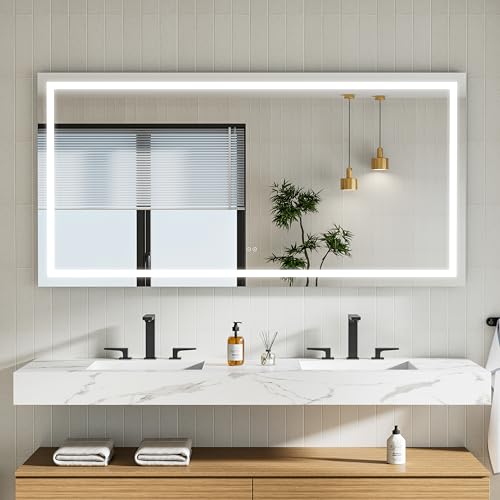
Customizable Lighting Experience: Adjustable color temperature from 2700K to 6300K via touch sensor (3000K/4000K/6000K cycle). Dimmable from 100% to 10%, with memory function that restores your previous brightness and color settings after powering off.

Internal LED light guides provide optimally bright bathroom vanity lighting for grooming tasks.

ABEL BATHROOM VANITY WALL LIGHT DIMENSIONS: 10" High x 39" Wide x 5" Deep; Backplate: 7.88" x 4.5" x 1"; Weight: 8.7 lbs.
The Importance of Color Temperature in Creating Ambiance

Color temperature plays a critical role in establishing the ambiance of a bathroom, as it not only influences the visual appeal but also affects the overall functionality of the space. When selecting lighting for bathroom design, understanding the temperature scale, measured in Kelvin (K), is essential. Warm lighting, typically ranging from 2700K to 3000K, fosters a cozy atmosphere suitable for relaxation. In contrast, neutral white light, between 3500K and 4100K, enhances visibility while promoting a calm environment, ideal for daytime routines. Bright, cool white light, known to be between 5000K and 6000K, provides clarity for grooming tasks. By layering these various color temperatures, homeowners can maximize comfort without sacrificing the functional aspects that impact daily experiences. Selecting damp-rated fixtures ensures that the lighting is safe for bathroom environments with occasional humidity exposure.
Recommended Color Temperatures for Different Bathroom Activities
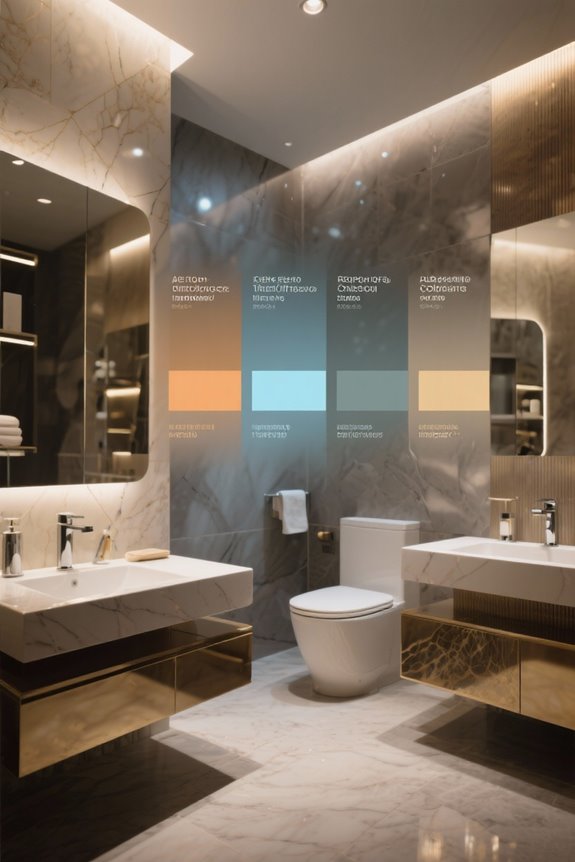
When considering the varied activities performed in a bathroom, selecting the appropriate color temperature for lighting becomes essential for enhancing both functionality and comfort. Warm white lighting, measured at 2700K to 3000K, provides a soothing environment perfect for relaxation, especially in areas like bathtubs. For general tasks, neutral white lighting within the range of 3500K to 4100K promotes balanced visibility, ideal for day-to-day activities. Furthermore, larger bathrooms can benefit from adjustable color options, allowing users to switch between warmer tones for relaxation and cooler tones, reaching 6000K, for more precise tasks such as grooming. This adaptable approach enables a versatile ambiance tailored to individual preferences and specific bathroom functions. To ensure safety in wet areas, consider using quick-dry bathroom mats that minimize slips and are available in various stylish designs.
Recommended Products

【One-Touch Defogging Feature】This bathroom vanity comes equipped with a one-touch defogging function that,built-in Smart Defogger, offering three touch-controlled light settings eliminates fog from the mirror with a simple press, ensuring a clear view every time you use it.

🪞Dual LED Lighting: Built-in lighting strips offer front and back dual illumination, enhancing lighting for detailed tasks like makeup application and shaving.

Customizable Lighting & Defogger - Adjust brightness and color temperature (3000K-6000K) smoothly with the touchs for personalized settings. Memory function avoids repeated configuration. The built-in defogger clears post-shower moisture instantly for a crystal-clear reflection, and the modern, offable time display on the mirror keeps you on schedule.
Task Lighting: Makeup and Shaving

Effective task lighting for makeup application and shaving is critical for achieving precise results, particularly in environments where clarity is paramount. Ideally, this lighting should have a color temperature of 5000K, which offers bright, clear illumination to accurately reflect skin tones. A high Color Rendering Index (CRI) of at least 90 guarantees that colors remain true to life, further enhancing grooming accuracy. Positioning the task lighting at eye level minimizes shadows, improving visibility. Additionally, layered lighting combining direct and diffuse sources helps eliminate harsh contrasts for even illumination. For versatility, LED mirrors with integrated lights that provide adjustable color temperature settings can cater to various grooming needs throughout the day, accommodating personal preferences effectively. Many LED bathroom mirrors include dimmable lighting options that allow users to customize brightness levels based on individual preferences and tasks.
Recommended Products

Anti-Fog Technology: Never worry about foggy mirrors again! Our 96x40 bathroom mirror cabinet features anti-fog tech that keeps the mirror clear even after hot showers, delivering reliable clarity for your daily routine

STEPLESS ADJUSTABLE LIGHTING: Long press the mirror button to adjust the brightness of the front of the illuminated medicine cabinet from 10% to 100%, with 3 color temperature design, you can choose from warm white 3000K, natural light 4000K and bright white 6000K. The light memory function makes you more convenient and comfortable to use

【Advanced Anti-Fog Technology】Designed with anti-fog tech, this lighted medicine cabinet with mirror stays clear. The reliable bathroom medicine cabinet with mirror ensures a crisp reflection, perfect as a daily-use medicine cabinet mirror and durable medicine cabinet.
Creating Relaxing Atmosphere With Warm Lighting

To create a truly relaxing atmosphere in the bathroom, incorporating warm lighting, typically ranging from 2700K to 3000K, proves to be essential for enhancing comfort and tranquility. Warm lighting promotes relaxation and coziness, making it ideal for areas like bathtubs and spa settings. Utilizing LED bulbs with a warm color temperature not only provides energy efficiency but also casts a gentle glow that complements various skin tones. Dimmable fixtures allow users to adjust brightness according to personal preferences, contributing to a tranquil experience. In addition, layering warm lights with accent features, such as LED strip lighting around mirrors, enhances the luxurious feel while eliminating harsh shadows, greatly improving the overall ambiance of the bathroom space. Selecting fixtures that are damp-rated options ensures they function effectively in wet environments, maintaining safety and efficiency while supporting the desired relaxing atmosphere.
Recommended Products

【Anti-Fog & IP54 Waterproof】Built in defogger ensures the led vanity bathroom mirror stays clear and fog-free. The anti-fog switch are separate control, which is safe and energy-saving and you can open and close according to your need,and our anti fog mirror bathroom has IP54 waterproof design.

Acrylic Vertical LED Lighting - Experience flawless, shadow-free illumination with our newly lighted medicine cabinet! Designed with optical-grade acrylic light guide panels for uniform brightness and lasting clarity, this integrated LED medicine cabinet mirror delivers a professional grooming experience right in the bathroom, lighting up your face evenly and providing perfect visibility for makeup, shaving, and skincare.

Premium Materials: Made from anodized aluminum, the WELLFOR 60"x36" LED medicine cabinet features a waterproof, copper-free silver mirror and a tempered glass back for safety and style.
Enhancing Bathroom Aesthetics Through Effective Lighting
How can thoughtful lighting choices elevate the overall aesthetics of a bathroom space? By selecting color temperature wisely, one can enhance both functionality and ambiance. Warm white light, typically ranging from 2700K to 3000K, cultivates a cozy atmosphere that invites relaxation. In contrast, neutral white light, around 3500K to 4100K, mimics natural daylight, providing clarity for grooming tasks while maintaining a pleasant environment. The use of cool white lighting at 5000K to 6000K facilitates bright visibility for intricate tasks. Additionally, integrating layers of light—ambient, task, and accent—creates depth and visual interest. Utilizing high Color Rendering Index (CRI) lighting, valued at 90 or above, guarantees that colors are accurately represented, enhancing the overall aesthetic appeal while supporting functional needs. Incorporating WaterSense certified models in bathroom fixtures can further complement the aesthetic by ensuring water efficiency and reducing consumption, aligning with eco-friendly design choices.
Recommended Products

EASY ENTRY SECURITY: Low entry threshold, a built-in safe-reach grab bar, and slip-resistant flooring help reduce slips while stepping in and out. ADA-compliant seating supports a secure, upright position so users maintain stability with confidence.
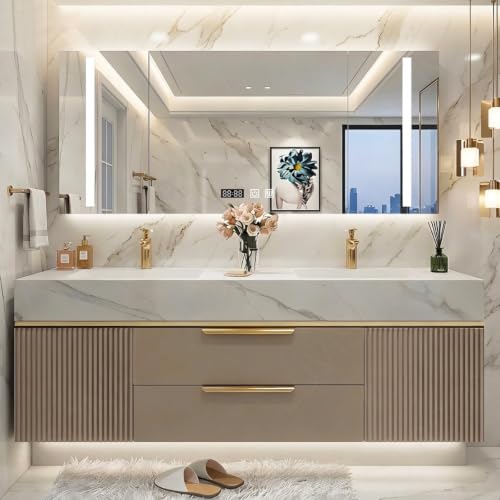
ELEGANT KHAKI FLUTED FLOATING DESIGN: Transform your master bathroom with this luxurious wall-mounted vanity. Featuring a sophisticated Khaki finish, it perfectly balances modern aesthetics with functional design. The cabinet boasts beautifully textured fluted side doors paired with smooth central drawers. The floating silhouette is elegantly accented by a sleek gold trim line and matching gold drawer handles, creating a spacious, spa-like atmosphere in your home.

【Unique Appearance Design】Bathroom mirror cabinet features a unique overall style. The combination of black and wood colors creates a distinctive aesthetic. The wonderful design of the bathroom complements the lighting of the mirror cabinet, creating a mysterious and sophisticated atmosphere. Decorative items such as green plants can be placed on the countertop, adding an artistic touch and vitality to the bathroom
Common Mistakes in Selecting Bathroom Color Temperature
Although selecting the appropriate color temperature for bathroom lighting may seem straightforward, many individuals frequently make critical errors that undermine both aesthetics and functionality. A common misstep is opting for overly cool light above 5000K, resulting in a stark, unwelcoming atmosphere. Additionally, mixing different color temperatures can lead to visual inconsistency, distorting skin tones and the appearance of the décor. Ignoring the Color Rendering Index (CRI)—where a CRI of 90 or above is ideal for grooming—can negatively impact makeup application. Moreover, neglecting the specific lighting needs for areas, such as warm light near bathtubs versus neutral light at mirrors, may create uneven illumination. Finally, not utilizing adjustable lighting limits the bathroom’s versatility throughout the day. It’s important to choose fixtures with moisture-resistant options that have IP44 ratings for durability, ensuring they can withstand the humidity and steam often present in bathroom environments.
Frequently Asked Questions
Which Color Temperature Is Best for a Bathroom?
For a bathroom, neutral white color temperature strikes an ideal balance between functionality and mood enhancement. It supports tasks effectively while leveraging color psychology, creating an inviting atmosphere conducive to both relaxation and daily grooming activities.
Is Warm Light or Daylight Better for Bathrooms?
Choosing between warm light and daylight depends on individual lighting preferences. Warm light benefits relaxation, while daylight advantages task visibility. A combination of both may enhance functionality and comfort in bathroom spaces, catering to various needs.
Is 3000K or 4000K Better for Bathrooms?
In the delicate dance of bathroom aesthetics, 3000K nurtures a soothing atmosphere, while 4000K sharpens lighting functionality. Choosing wisely guarantees bulb efficiency, blending relaxation and precision for a harmonious retreat tailored to individual needs.
Should Bathroom Colors Be Warm or Cool?
Warm color schemes are generally preferred for bathrooms, as they enhance mood and create a cozy atmosphere. Individuals’ lighting preferences often lean towards soothing tones, facilitating relaxation while maintaining functionality during daily routines.


