As an Amazon Associate, we earn from qualifying purchases. Some links on this site are affiliate links at no extra cost to you. Our recommendations are based on thorough research and editorial judgment.


Condensation on Toilet Tanks: Causes and Easy Fixes

Condensation on toilet tanks arises from the contact between warm, humid air and the cold surface of the tank, which cools due to cold water. High humidity levels, often exacerbated by poor ventilation, can lead to mold growth. Simple fixes include insulating the tank using foam kits, using exhaust fans to reduce moisture, and addressing any leaks promptly. For persistent issues, professional plumbing solutions, such as anti-sweat valves, offer reliable long-term benefits and may offer further strategies to explore.
Key Takeaways
- Condensation occurs due to warm air colliding with cold tank surfaces, worsened by high humidity levels and poor ventilation in bathrooms.
- Shorten shower times and use exhaust fans to reduce humidity, helping limit condensation on toilet tanks.
- Insulate the toilet tank with styrofoam kits to maintain surface temperature and minimize moisture buildup.
- Regularly inspect for plumbing leaks and upgrade to modern toilets that feature built-in insulation for better moisture control.
- Consider using drip trays or professional solutions like anti-sweat valves to effectively manage condensation and prevent damage.
Understanding the Causes of Toilet Tank Condensation
Condensation on toilet tanks is a common phenomenon that occurs due to the interaction between warm, moist air and cold surfaces in confined spaces like bathrooms. High humidity levels, especially after hot showers, considerably increase the likelihood of moisture accumulating on the toilet tank. This occurs because the cold water filling the tank cools its exterior, leading to condensation when warmer air contacts the cold surface. Poor ventilation, low air circulation, and occasional leaks from components such as the flapper or fill valve exacerbate these conditions, allowing cold water to intermittently flow into the tank. Understanding these causes is essential for homeowners, as effective humidity control and improved air circulation can mitigate excessive condensation on toilet tanks, enhancing overall comfort and cleanliness. Adding a small dehumidifier for home can significantly improve moisture control in confined bathroom spaces, helping prevent condensation buildup on toilet tanks.
The Impact of Humidity on Your Bathroom

Humidity functions as a critical factor influencing the overall environment within a bathroom, affecting not only comfort but also the structural integrity of fixtures and materials. High indoor humidity levels, often resulting from hot showers and inadequate ventilation, can lead to excessive condensation on surfaces, including toilet tanks. This moisture creates a prime environment for mold and mildew growth, which can pose considerable health risks to occupants. Maintaining indoor humidity levels between 30-50% is recommended to deter condensation and promote a healthier bathroom atmosphere. Utilizing bathroom exhaust fans both during and after showers greatly reduces humidity, thereby minimizing the potential for water damage on floors and fixtures, which can result in costly repairs and increased maintenance requirements over time. Additionally, opting for damp-rated fixtures in the bathroom can ensure the longevity and safety of lighting installations in humid conditions.
Effective Strategies for Reducing Bathroom Humidity

How can homeowners effectively tackle the challenge of excessive moisture in their bathrooms? One effective strategy is to shorten shower times, as condensation happens when warm, moist air cools on surfaces. Utilizing a bathroom exhaust fan during and after showers facilitates better air circulation, effectively removing humidity. Additionally, keeping the bathroom door slightly open promotes drier air flow, further reducing moisture levels. For persistent humidity, a dehumidifier can considerably lower moisture, especially on warmer days when opening windows might not suffice. Homeowners should also address any plumbing leaks, including running toilets, to fend off extra moisture. Combining these methods—ventilation, air circulation, and appropriate appliances—allows for a thorough approach to maintaining a drier bathroom environment. For enhanced hygiene in your bathroom, consider installing an automatic soap dispenser to reduce cross-contamination and maintain cleanliness.
Insulating Your Toilet Tank: A Practical Solution

One effective method for reducing condensation on toilet tanks involves insulating the tank itself, a practical solution that can yield significant results in moisture control. Tank insulation, commonly available through insulation kits made from styrofoam, helps prevent condensation by maintaining a warmer surface temperature, limiting exposure to moist air. Homeowners can easily apply these kits using basic tools; however, it is essential to first empty and thoroughly dry the toilet tank for proper adhesion. Properly insulated tanks not only diminish the risk of water damage to flooring but also hinder the growth of mold and mildew in bathrooms. Furthermore, opting for insulation kits is a cost-effective alternative to replacing an entire toilet, providing long-term benefits for moisture control. Using premium materials like rustproof stainless steel or silicone in insulation kits enhances durability and effectiveness, similar to the features found in top-rated sink drain covers.
Recommended Products

Replaces old, or broken 3 in. toilet flush valve, restore your Dual Flush toilet back to original factory performance
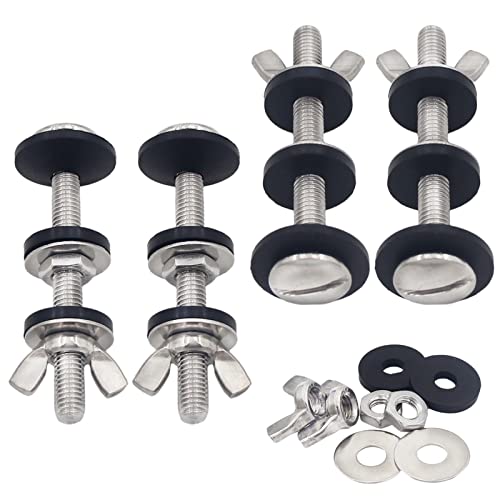
1.Toilet Tank to Bowl Coupling Kits: Universal replacements with tank to bowl bolts.Package includes 8 sets tank bolt with nuts and washers ,spare washers and nuts are added for replacement when corresponding fittings are lost or damaged.

No Guess / Mess | Eliminate leaky wax toilet ring seal with the One n Done toilet seal that self-adjusts to ANY toilet flange depth. No toilet flange extension kit, toilet spacer, wax ring for toilet, toilet flange reamer, or additional sealants required. The toilet seal ring grips the bottom (horn) of the toilet for the ultimate toilet sealer around toilet base. For a perfect seal that is much better than wax toilet seal.
How Anti-Sweat Valves Work to Combat Condensation

An effective solution to combat condensation on toilet tanks involves the installation of anti-sweat valves, which are specifically designed to blend hot water with cold water entering the tank. These valves maintain a warmer water temperature, thereby preventing temperature differences that often lead to sweating. By drawing from the hot water line, anti-sweat valves work to reduce moisture accumulation on the tank’s surface. Homeowners often report a notable reduction in condensation, as these valves help mitigate moisture that can lead to water damage and mold growth. Installation typically requires professional plumbing assistance for ideal setup, ensuring reliable functionality. Ultimately, incorporating an anti-sweat valve improves toilet efficiency, contributing to a drier bathroom environment, which can be particularly beneficial in humid conditions. For those considering bathroom upgrades, choosing acrylic tubs with non-slip surfaces can also enhance safety and comfort while maintaining an aesthetically pleasing appearance.
Recommended Products

STYLE: Neo collection offers an attractive addition to any bathroom décor

MINIMALIST DESIGN: This shower mixing valve kit features clean, contemporary lines and a simple, clutter-free square trim to complement modern bathroom and shower fixtures.

Includes faceplate with ADA-compliant metal lever handle
The Role of Regular Maintenance in Preventing Moisture Buildup
While regularly scheduled maintenance may seem like a minor task, it plays an essential role in preventing moisture buildup on toilet tanks, which can lead to condensation and subsequent water damage. Regular maintenance includes inspecting for leaks and replacing worn flappers, which can prevent water waste and reduce humidity in the bathroom. Additionally, cleaning the toilet tank’s interior and utilizing exhaust fans during and after showers help decrease moisture levels effectively. Scheduling yearly plumbing inspections allows homeowners to identify issues, like running toilets, before they worsen. Furthermore, employing a dehumidifier in the bathroom can further support these maintenance efforts, ensuring that condensation on your toilet becomes a problem of the past, ultimately maintaining a dry and safe environment. Incorporating a frameless bathroom mirror can also enhance light reflection and reduce humidity, contributing to a more comfortable and dry bathroom space.
Upgrading Your Toilet: Benefits of Newer Models
Upgrading to newer toilet models presents numerous advantages that can greatly enhance bathroom performance and reduce issues such as condensation on toilet tanks. Many modern toilets feature built-in insulation, considerably mitigating condensation risks compared to older designs. These water-efficient low-flow models utilize less water per flush, which not only contributes to lower cold water entry into the tank but also minimizes moisture accumulation. Additionally, advanced flushing technologies improve performance, allowing homeowners to save 20-60% on annual water bills. Besides being cost-effective, new plumbing designs reduce maintenance issues, such as leaks and running water, thereby further preventing condensation. Choosing eco-friendly options during upgrading not only enhances water efficiency but also supports sustainable practices in modern homes. A soft close toilet seat can further enhance the bathroom experience by reducing noise and preventing wear and tear on the toilet.
Recommended Products

Bronze body construction ensures durability and long life

What's Included - Every Dry Flush Waterless Toilet comes with a Battery and Charger, Cable, 2 Cartridges and 1 Bottle of Pee Powder (extends the cartridge life by 40%).

UPFLUSH TOILET FOR BASEMENT: This two-piece compact toilet features a macerating system with discharge and vent connectors, allowing for both vertical and horizontal connections. With a vertical pumping capability of 36 feet and horizontal pumping of 360 feet through a 1 1/2-inch pipe, it offers versatile installation options.
Utilizing Drip Trays to Manage Water Damage
To efficiently manage water damage due to condensation on toilet tanks, drip trays offer a practical solution that is both economical and simple to implement. These trays are designed to catch excess water from a sweaty toilet, effectively protecting flooring from damage caused by humid air. Installation is straightforward and requires no specialized tools, allowing homeowners to quickly incorporate this measure into their bathrooms. While drip trays do not eliminate condensation, they serve as a temporary measure to mitigate potential hazards, such as slipping in damp areas. Regularly emptying the drip tray every few days is vital to preventing overflow, and as a result, maintaining its effectiveness in combating water damage and promoting a safer bathroom environment for all users. Additionally, using absorbent materials in bathroom rugs can enhance safety and comfort by soaking up spills and preventing slips on wet floors.
Recommended Products

Economical: Without the use of plastic bottles, this Clover B7B saves you hundreds per year. Instead, the water comes from your existing plumbing for cleaner water and extra efficiency

CONTENTS Comes with 30 Tiger Stripe serving trays
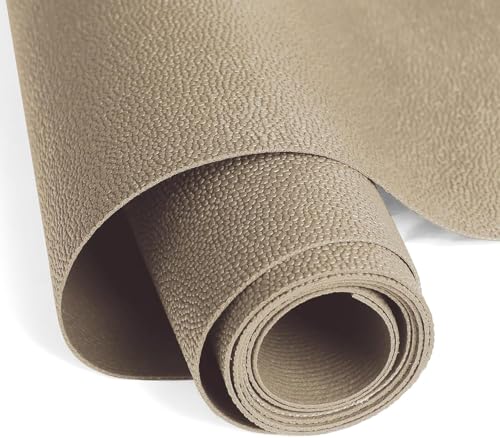
Unique Material Design: Made of foam material with inner nylon mesh, with the leather like surface design, our shelf & drawer liner is anti-skid and cushioned. Our cabinet liner is a great choice for your pantry, kitchen, bedroom dresser
Alternative Heating Methods for Toilet Tanks
Alternative heating methods for toilet tanks present a viable solution for combating condensation, which can lead to water damage and discomfort in bathrooms. Options like aquarium heaters can effectively maintain a warmer tank temperature but must comply with electrical safety regulations to prevent hazards. Additionally, circulating radiant heating systems can considerably stabilize ambient air temperature, indirectly reducing condensation on the toilet tank. Another method includes connecting direct hot water lines to the toilet tank, allowing warm water to circulate and maintain a higher surface temperature, which minimizes condensation risk. It’s crucial to evaluate each alternative heating method thoroughly to ascertain its feasibility and effectiveness, making informed choices for an efficient toilet while prioritizing safety and functionality in the bathroom environment. Waterproof panels like PVC and composite stone ensure longevity and are resistant to mold growth, making them an ideal consideration for maintaining a moisture-free bathroom environment.
Professional Plumbing Solutions for Persistent Problems
A professional plumbing solution for persistent condensation problems on toilet tanks involves an extensive approach that begins with a thorough assessment of environmental and plumbing factors. Licensed plumbers evaluate humidity levels and plumbing configurations to accurately diagnose issues. They can then recommend effective solutions tailored to each home’s needs, such as tank insulation kits made from materials like foam or reflective barriers, as well as anti-sweat valves, which help regulate temperature discrepancies. Regular maintenance by skilled plumbers prevents recurring condensation and addresses contributing factors, such as running toilets and improper valve adjustments. Ensuring that installations adhere to safety regulations enhances bathroom comfort and provides peace of mind for homeowners regarding their persistent condensation issues. Additionally, high-quality hinges can enhance both functionality and bathroom aesthetics, contributing to a more pleasant and efficient bathroom environment.
Recommended Products

Complete Toilet Repair Kit - Includes ballcock, tube, float rod, ball, tank lever, lift wire, guide holder, and universal 2-inch flapper to restore your toilet to like-new condition.

The Everything Kit includes everything you need to fix your toilet in one trip and one purchase

Replacement Part Kit: Fix your toilet without replacing the entire toilet, this kit includes two 3-inch washers, no need to buy in batches.2 Sets of toilet tank gasket and Hardware Kits are universal and fit most two-piece toilet tanks
Frequently Asked Questions
How to Stop Condensation on the Toilet Tank?
To alleviate moisture’s embrace on the toilet tank, one might consider employing insulation materials, enhancing bathroom ventilation, maintaining proper toilet function, and exploring alternative solutions like humidity control methods to foster a drier environment.
Why Would My Toilet Tank Be Sweating?
The toilet tank sweats due to a combination of low toilet tank temperature and high bathroom humidity levels. Effective condensation prevention methods include insulation options and addressing plumbing issues such as continuous cold water flow or fill valve problems.
Why Does Condensation Form on a Toilet Tank?
Condensation forms on a toilet tank due to humidity levels and temperature fluctuations. Insulation techniques can mitigate this issue, while toilet tank materials also influence condensation. Implementing proper condensation solutions can effectively reduce moisture buildup.
Why Put Aluminum Foil in a Toilet Tank?
Placing aluminum foil in a toilet tank serves as a temporary insulation method, contributing to moisture reduction strategies and humidity control techniques. It’s a cost-effective approach among toilet maintenance tips and plumbing problem solutions for condensation issues.


