As an Amazon Associate, we earn from qualifying purchases. Some links on this site are affiliate links at no extra cost to you. Our recommendations are based on thorough research and editorial judgment.


Quieting a Noisy Shower: Causes and Solutions

Noisy showers can result from various factors, such as aging shower valves, hard water causing mineral buildup, and loose components that vibrate under pressure. A high or inconsistent water pressure may trigger disturbing sounds, while mixer valve malfunctions can cause additional squealing. For immediate relief, users can adjust water flow or tighten loose parts. Long-term solutions include installing a water hammer arrester and maintaining regular inspections. Understanding these elements can greatly improve one’s bathing experience. Further insights follow.
Key Takeaways
- Aging shower valves and hard water buildup often create excessive noise by disrupting water flow and restricting it in showerheads.
- High water pressure or inconsistent pressure can lead to vibrations and squealing in pipes, prompting the need for pressure regulation.
- Loose components, such as washers and fittings, can vibrate under pressure, causing irritating sounds that should be tightened or replaced.
- Installing a water hammer arrester or a flow restrictor can significantly reduce banging and squealing noises in your plumbing system.
- Regular maintenance, including cleaning showerheads and checking for loose fittings, can prevent noise accumulation and ensure a better shower experience.
Common Causes of Noisy Showers
When examining the common causes of noisy showers, it becomes evident that various factors contribute to these disruptive sounds. An aging shower valve can disrupt water flow, often resulting in high-pitched noises that demand replacement. Additionally, hard water can lead to mineral buildup in showerheads, restricting water flow and causing turbulence that amplifies noise in your shower. Loose or failing components within the showerhead, such as washers or nozzles, can vibrate under pressure, generating sharp, irritating sounds. Furthermore, high or inconsistent water pressure can create vibrations and squealing in pipes, particularly when there are plumbing problems involving narrow or damaged pipes. Mixer valve malfunctions during temperature adjustments may further trigger squealing noises, underscoring the need for timely repairs or replacements. Pressure balancing features found in certain rough-in shower valves can help stabilize water temperatures, reducing the likelihood of noise caused by sudden changes in pressure.
Recommended Products

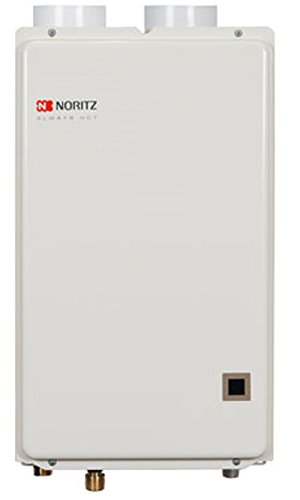
One Model, Anywhere: This Rinnai tankless water heater is installable indoors or outdoors thanks to our new Versa Vent and powered by either propane or natural gas thanks to a Smart Sense gas control system; RX-OVC vent cap required for outdoor install

THE ULTIMATE BUNDLE: Our bundles have our customers in mind when it comes to getting all they will need for their new upgrade or bathroom. With the Saniplus, toilet bowl and toilet tank bundle, you will have everything you need.
Diagnosing the Source of Shower Noise

Diagnosing the source of shower noise requires methodical examination of the plumbing system, as each distinct sound—banging, clanking, or squealing—can point to different problems. For example, water hammer may manifest as loud banging when the water supply is abruptly stopped. Identifying the timing of the noise, whether it occurs during water flow or after shut-off valves are engaged, is essential for diagnosing noise. Additionally, inspecting visible plumbing for loose connections or signs of wear can reveal underlying issues contributing to a noisy shower. Squealing noises often signify air locks or issues within the plumbing system. Testing various fixtures for sound variations can further clarify the source, ensuring that plumbing repairs are accurately targeted for effective noise reduction. Installing a HammerHead Solid Brass Tub Spout with a spring-loaded diverter may also help reduce noise by providing a smooth transition between tub and shower.
Recommended Products

Fiber union gasket ensures fast installation

Built-In Motor Protection For Long Life

Extra large capacity 9-inch deep bowl makes handling of pots and pans easier
Quick Fixes for Immediate Relief

A variety of quick fixes can effectively reduce shower noise and provide immediate relief to those experiencing disruptive sounds. For example, adjusting the cold water flow gradually can minimize pressure changes that often lead to a squealing shower. Temporarily closing the cold water valve slightly may help lower overall water pressure, reducing vibrations in the plumbing. Additionally, installing a flow restrictor between the shower arm and showerhead can manage noise by minimizing high-pressure bursts from the water. In addition, tightening loose washers or components in the cold water valve addresses vibrations that contribute to noise. Finally, discussing water usage habits with housemates can prevent simultaneous demands for hot and cold water, which avoids additional pressure fluctuations and noise in the shower system. Incorporating a bidet toilet seat into your bathroom can also enhance your overall experience by reducing water usage and promoting eco-friendliness.
Recommended Products

High-flow thermostatic mixing valve

High-flow thermostatic mixing valve

Four port valve with 1/2 in. Female Copper sweat inlets and shower outlet
Long-Term Solutions for Persistent Issues

For those confronting ongoing noise problems in their showers, long-term solutions offer the promise of a quieter and more pleasant bathing experience. Installing a water hammer arrester effectively cushions water flows, reducing banging noise in shower pipes caused by sudden stops. Replacing worn-out valves or cartridges addresses common sources of squealing noise, ensuring smooth water flow. Implementing a pressure regulator stabilizes water pressure, mitigating excessive noise and vibrations from high flow rates. Upgrading showerheads with adjustable spray settings enhances user control over water flow, minimizing turbulence that creates sound. Additionally, regular inspections can identify and clear mineral deposits, preventing accumulation that exacerbates noise issues, leading to a calmer showering environment over time. Choosing a WaterSense label faucet not only promotes water efficiency but also contributes to a quieter operation by managing flow rates effectively.
Recommended Products

Max power 0.6 HP (450W) Permanent Magnet Motor delivers 1268 GPH (21 GPM) flow rate & 57 PSI (4 Bar) pressure & 131 Ft head — simultaneously supplies 7 faucets across 3 floors without drop-offs. Perfect for showers, sinks, and appliances in multi-story homes.Self-priming to 6.5-10ft.

Size "B" Features A Fixture Unit Capacity Of 12-32 With 3/4" Mnpt Threaded Ansi/Asme B1. 20. 1

SUPERIOR QUALITY: HeSun water hammer arrestor is compliant with CUPC and NSF listed.Crafted from high-quality, lead-free brass.
Importance of Regular Maintenance

Regular maintenance of shower components is essential, as it not only extends their functional lifespan but also enhances the overall shower experience by minimizing disruptive noises. Regularly inspecting and cleaning the shower head prevents hard water buildup, which can restrict water flow and generate high-pitched sounds. Additionally, periodic checks for loose fittings and pipes identify potential issues early, reducing the likelihood of annoying noises and potentially costly repairs. Flushing the water heater annually avoids sediment buildup that may cause knocking sounds when steam bubbles escape. Moreover, regularly monitoring water pressure, ideally maintained below 80 psi, mitigates vibrations within the plumbing system. Overall, consistent attention to these common causes through regular maintenance guarantees a quieter, more enjoyable showering experience. Incorporating energy-efficient options such as bathroom fan heaters can also contribute to reducing noise levels while maintaining optimal temperature and ventilation.
Seeking Professional Help for Plumbing Issues
Addressing persistent shower noises often necessitates the expertise of a licensed plumber, who can perform a thorough assessment of the plumbing system to identify underlying issues contributing to the disturbances. A qualified plumber can evaluate components like the water line, verifying if blockages, worn valves, or high water pressure are to blame. They may check the water shutoff and inspect the water softener for efficiency improvements, alleviating shower water noises. This professional help is essential for home improvement, as it prevents costly damage from escalating plumbing issues. Additionally, routine maintenance services offered by plumbers can guarantee peak functioning of devices like sump pumps, minimizing noise and enhancing overall plumbing performance, while ensuring safety and compliance with local building codes. High-gloss acrylic material used in bathtubs offers durability and easy maintenance, further contributing to a quieter and more efficient bathroom environment.
Recommended Products

𝐂𝐥𝐞𝐚𝐧𝐞𝐫, 𝐇𝐞𝐚𝐥𝐭𝐡𝐢𝐞𝐫 𝐖𝐚𝐭𝐞𝐫 𝐟𝐫𝐨𝐦 𝐄𝐯𝐞𝐫𝐲 𝐓𝐚𝐩 𝐢𝐧 𝐘𝐨𝐮𝐫 𝐇𝐨𝐦𝐞: High-performance water filter system for great-tasting water, improved air quality, healthier hair & skin, and protected pipes & appliances.


Quiet Operation: Macerating toilet operates quietly, with a low noise design that doesn't disrupt other people's rest, and the powerful 600-watt motor effortlessly removes waste while maintaining a peaceful atmosphere.
Frequently Asked Questions
How to Make a Shower Less Noisy?
To transform a cacophonous shower experience into a serene oasis, one might replace the shower head, regulate water pressure, insulate pipes, inspect the shower valve, and optimize the shower drain for effective noise reduction and improved bathroom acoustics.
Why Does My Shower Sound Like a Chainsaw?
The shower sounded like a chainsaw due to shower vibrations from high water pressure, pipe rattling, and valve issues. Water hammer effects and poor showerhead design could amplify these noises, highlighting the necessity for plumbing maintenance.
How to Fix a Noisy Shower?
To fix a noisy shower, consider shower valve replacement, water pressure adjustment, and pipe insulation installation. A showerhead upgrade and plumbing inspection tips, along with anti-vibration mounts and leakage detection methods, may also prove beneficial.
Why Is My Shower so Loud Through the Walls?
Loud shower sounds through walls stem from pipe vibrations caused by high water pressure, poor wall insulation, plumbing materials, and showerhead design. Implementing acoustic panels may enhance noise dampening effects, reducing sound transmission considerably.


