As an Amazon Associate, we earn from qualifying purchases. Some links on this site are affiliate links at no extra cost to you. Our recommendations are based on thorough research and editorial judgment.


Should Bathrooms Use Dimmers? Best Practices

Bathrooms should definitely use dimmers, as they enhance functionality and comfort through adjustable lighting. Dimmers accommodate tasks such as grooming and relaxing, while energy savings can be realized by operating lights at lower settings. Types include single-pole and 3- or 4-way dimmers, with proper wattage not exceeding 600 watts for safety. Important installation practices involve ensuring compatibility with existing fixtures and adhering to safety standards. Understanding the nuances of these systems can lead to ideal bathroom lighting experiences.
Key Takeaways
- Dimmers enhance bathroom ambiance, allowing for adjustable brightness for tasks like grooming or relaxation.
- Use compatible dimmable bulbs to prevent flickering and ensure optimal performance in low-light situations.
- Install dimmer switches in accessible locations, avoiding high-risk areas to comply with safety regulations.
- Regularly check dimmer switches for wear and compatibility to maintain functionality and avoid electrical issues.
- Consider energy efficiency; using dimmers can lead to reduced electricity costs over time while enhancing comfort.
Understanding the Benefits of Dimmers in Bathrooms
When considering the advantages of installing dimmers in bathrooms, one recognizes that these devices offer significant enhancements to both functionality and atmosphere. A dimmer switch allows users to adjust the brightness of their lighting, accommodating various tasks from grooming to relaxation. Dimmable bulbs play an essential role, as they can create softer lighting for evening enjoyment or brighter illumination for daytime routines. This flexibility not only improves comfort but also reduces eye strain, especially during low-light conditions. Additionally, dimmable lighting can transform the bathroom into a spa-like retreat, enhancing aesthetic appeal. Importantly, operating lights at lower levels can lead to energy savings, making these installations not only practical but also economical for long-term use. With options like dimmable brightness found in LED bathroom mirrors, users can achieve the perfect lighting level for any occasion.
Types of Dimmers Suitable for Bathroom Lighting

Selecting the right type of dimmer for bathroom lighting is essential, as various options cater to specific needs and installation requirements. Single-pole dimmer switches are ideal for controlling individual overhead fixtures, allowing users to easily adjust light levels. For circuits with multiple switches, 3- or 4-way dimmers provide the ability to control brightness from various locations. Multi-location dimmer switches excel in larger bathrooms, enabling the same light fixtures to be manipulated conveniently from multiple points. Magnetic or electronic low voltage dimmers are critical for systems using low voltage LED bulbs, operating at 12 volts with transformers. Importantly, verify that the total wattage of all dimmable light fixtures does not exceed 600 watts to prevent potential electrical issues. Consider using non-slip surfaces in bathroom environments to enhance safety and ensure compliance with necessary standards.
Recommended Products
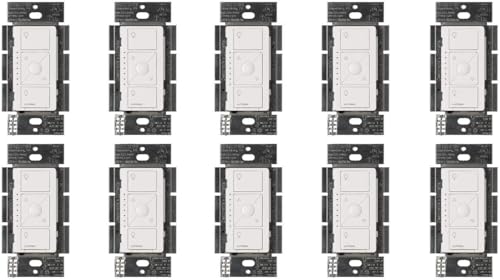
EASY INSTALL: Easily replaces your existing switch in as little as 15 minutes; NEUTRAL WIRE REQUIRED

🌈【Newly Upgraded】: The crystals are preinstalled. No need to spend time to connect the crystals, simply put them on the metal rim.

🌈【Reinforced Packaging】 Your chandelier is secured with premium pearl cotton, a superior material that replaces standard foam. This upgrade provides a cushioning shield against transit shocks and rough handling, guaranteeing it arrives in flawless, ready-to-hang condition.
Enhancing Ambiance With Dimmable Lights
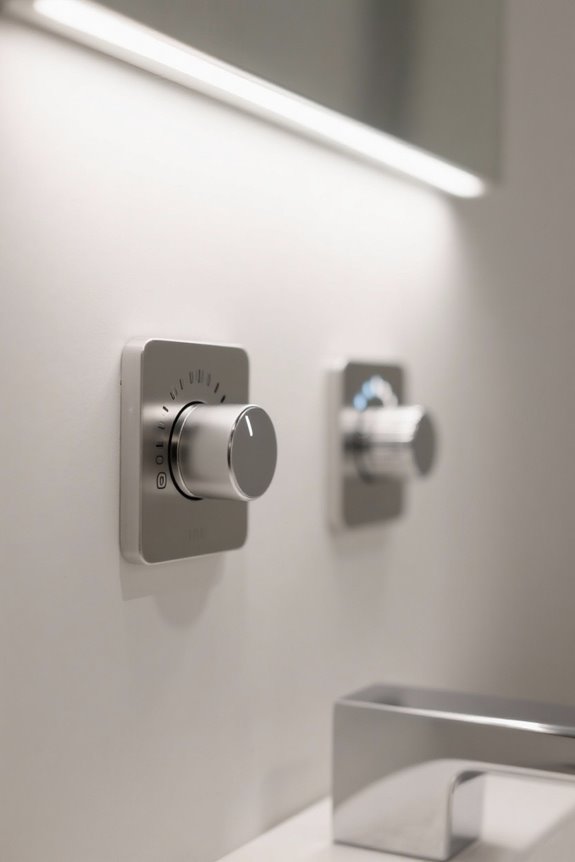
Dimmable lights substantially enhance the ambiance of bathrooms, allowing for customizable brightness that aligns with individual preferences and varying times of day. By employing LED technology in conjunction with dimmers, homeowners can achieve both energy efficiency and aesthetic flexibility. For instance, a dimmer can effortlessly shift lighting from bright, focused illumination suitable for grooming tasks to softer, ambient lighting ideal for relaxation. This versatility not only creates a tranquil atmosphere but also encourages energy savings by enabling lower light levels when full brightness is unnecessary. Additionally, effective dimming can extend the lifespan of light bulbs, making it a practical choice for enhancing bathroom ambiance, particularly during nighttime usage when harsh lighting may disrupt a soothing experience. To ensure optimal performance, it’s important to choose dimmable fixtures that are compatible with the right dimmer switches, as non-dimmable options may cause flickering.
Recommended Products

ORLEANS LINEAR CHANDELIER DIMENSIONS: 11" High (Adjustable Height: 17" to 53") x 8" Wide x 58.3" Long, Ceiling Canopy: 4.5" x 16.5" x 0.75"; Weight: 49 lbs.

🔩 【Premium Aluminum Alloy Construction, Rust-Proof & Durable】 Crafted from high-quality aluminum alloy frame, this bathroom mirror cabinet is built to withstand the humid bathroom environment, effectively preventing rust, corrosion, and deformation. The tempered explosion-proof silver mirror delivers distortion-free, clear reflections, while the sealed cabinet design keeps your toiletries, skincare products, and essentials dry and protected from moisture. The sturdy metal structure ensures long-lasting use for your family, making it a reliable addition to your bathroom vanity.

Unique Design: Sawyer Large Single Tier Open Air Chandelier brings traditional charm with a modern flair ideal for enhancing your indoor or outdoor living spaces
Practical Tips for Installing Dimmer Switches

Installing dimmer switches in a bathroom can greatly improve lighting versatility, enabling users to adjust brightness levels to suit various needs, from focused grooming activities to soothing evening relaxation. First, verify that the dimmer switch is compatible with existing fixtures, confirming that LED lights are dimmable to prevent flickering. Follow electrical codes closely, including the installation of GFCI outlets for safety. It is advisable to opt for a trailing edge dimmer for better performance with LED lights, minimizing flickering issues. Additionally, consider the total wattage, confirming it does not exceed 600 watts to avoid overheating and maintain functionality. Wall mount faucets often incorporate innovative design features that enhance visual appeal and functionality in modern bathrooms. For ideal safety and compliance with wiring standards, professional installation is recommended, particularly when replacing existing switches with dimmers.
Recommended Products

Super Bright and Energy Saving: With 4400 lumens, it provides twice the brightness of fluorescent lights and saves 72% on electricity costs! It's the ideal choice to replace traditional 140W fluorescent tube fixtures. The 2x2 LED panel features built-in efficient LEDs, eliminating the need to replace ballasts or bulbs.

Modern Crystal Chandelier: dazzling, shiny, sparkly, and rich, the clear and simple black lines are equipped with high-quality k9 crystals to inject a dazzling brilliance into your space, are best suited to traditionally styled homes but can add a romantic touch to shabby chic or French country homes as well.

💡𝗕𝗥𝗜𝗟𝗟𝗜𝗔𝗡𝗧 & 𝗘𝗙𝗙𝗜𝗖𝗜𝗘𝗡𝗧: Delivers a high-efficiency 1600 lumens from just 18 watt of power. Enjoy bright, widespread illumination while saving on your energy bills.
Compatibility of Dimmers With LED Bulbs

What makes certain dimmer switches compatible with LED bulbs while others fall short? The key lies in the labeling of LED bulbs, as only those marked as dimmable can function properly with dimmers. Using trailing edge dimmers is often advisable because they reduce flickering issues and offer smoother dimming options compared to older models. Additionally, ensuring compatibility also involves matching the dimmer switch to the total wattage of the LED fixtures, which should not exceed 600 watts. Non-compatible dimmer switches may result in undesirable effects like flickering, buzzing, or a limited dimming range, ultimately detracting from the lighting experience. Proper installation of compatible dimmable LED bulbs with suitable dimmer switches not only enhances energy efficiency but also extends the lifespan of both components. Options range from classic to modern, ensuring compatibility with various interiors, as seen in bathroom sinks, which can also be a consideration when planning lighting and design integration.
Recommended Products

The vanity mirror features an innovative defogger pad behind the mirror and also features electrical and USB outlets for your convenience.


1,ENERGY SAVING - This 2' x 4' recessed drop ceiling light use high-quality LED beads with high luminous efficiency 130LM/W, this 70w led light panel can provide ultra bright 9100lm lighting for you, it can replace the traditional 280W fluorescent lamps, which will help you saving 80% of your electricity bill and carbon emissions.
Utilizing Scene Selector Dimmers for Versatile Lighting
Scene selector dimmers represent an innovative solution for enhancing the versatility of bathroom lighting, allowing users to create multiple preset lighting scenarios tailored to specific activities. These dimmers enable users to adjust the lighting easily, providing bright illumination for grooming tasks and soft light for relaxation. Many models feature programmable settings that replicate a spa-like atmosphere with just one touch, ensuring effortless shifts. Additionally, scene selector dimmers often include gradual fade-on and fade-off options, reducing abrupt light changes that can be unsettling during nighttime. Many units integrate seamlessly with smart home systems, offering remote control and automation based on individual preferences. By allowing users to fine-tune brightness levels, these dimmers also contribute to energy conservation in bathroom lighting. It’s crucial to choose damp-rated fixtures to ensure safety and functionality in moist environments like bathrooms.
Recommended Products

Universal Lighting Control: This 24-pack of white dimmer switches is suitable for up to 150-Watt dimmable LED/CFL incandescent bulbs or 600-Watt halogen bulbs

Toggle switch turns LED lights on/off to favorite light level. Small slider dims and brightens the light bulbs

LUXURY SOLID BRASS CONSTRUCTION – Handcrafted from 100% Crucible Brass, this high-end dimmer light switch is both decorative and durable. Its premium material and timeless finish make it a top choice for those looking for a brass wall plate dimmer switch with style and longevity
Common Mistakes When Using Dimmers in Bathrooms
When enhancing bathroom lighting with dimmers, several common mistakes can undermine their effectiveness and compromise safety. Users often overlook that dimmer switches require compatible bulbs; using non-dimmable LED bulbs can result in flickering or inadequate performance. Additionally, failing to verify compatibility between the dimmer switch and existing fixtures may lead to insufficient dimming capabilities or potential overheating issues. Overloading a dimmer switch, which typically has a 600-watt limit, can cause damage and increase the risk of electrical fires. Also, the placement of the dimmer switch is essential; it should be easily accessible but located away from moisture-prone areas. Finally, ignoring the use of trailing edge dimmers for low voltage lighting can diminish performance and cause flickering, ultimately impacting how effective your bathroom lighting can make the space. LED lights provide high lumen output per wattage, enhancing visibility without excessive power use.
Safety Considerations for Bathroom Dimmer Installation
Guaranteeing safe installation of dimmer switches in bathrooms, which present unique challenges due to their humid environment, requires strict adherence to established safety regulations, particularly the UK’s BS 7671 standard, governing electrical systems in wet areas. Safety considerations dictate that dimmers must be located outside high-risk bathroom zones, as fixtures installed in Zone 0 must possess an IP68 rating for waterproofing. Engaging a certified electrician is essential to confirm compliance with safety codes, thereby mitigating risks like electric shock. Furthermore, selecting the appropriate type of dimmer switch is important; trailing edge dimmers are preferred for LED compatibility and to prevent flickering. It is also critical that the combined wattage of dimmable fixtures does not exceed 600 watts for peak performance. ENERGY STAR certified options can provide additional energy savings and enhance performance in bathroom installations.
Maintaining and Troubleshooting Dimmable Lighting Systems
Once the safety considerations for installing dimmer switches in bathrooms have been addressed, attention must be given to the maintenance and troubleshooting of dimmable lighting systems. Regular checks guarantee the dimmer switch and bulbs are compatible, preventing flickering and promoting efficient operation. It is essential to periodically dust the dimmer switches and inspect for wear, looking specifically for dimming inconsistencies or electrical buzzing. If dimming issues occur, verify that the total wattage of connected fixtures does not exceed the dimmer’s standard capacity of 600 watts. Additionally, replace any non-dimmable bulbs with compatible dimmable options to avoid potential damage. Wall-mounted soap dispensers, crafted from durable materials like rust-resistant ABS, can be a complementary addition to bathroom aesthetics, offering both style and functionality. For persistent issues, consulting a professional electrician may be necessary to evaluate wiring problems or consider upgrading to suitable dimmers for LED lights.
Frequently Asked Questions
Should You Put a Dimmer in the Bathroom?
Installing a dimmer in the bathroom can provide significant benefits; it enhances lighting flexibility, supports ambiance creation, and promotes energy savings. Users appreciate the ability to adjust brightness according to activity or mood, ensuring overall satisfaction.
Are Dimmer Switches Allowed in Bathrooms?
Dimmer switches are allowed in bathrooms if installed according to safety considerations and regulations. Various dimmer types enable users to adjust light intensity, enhancing bathroom ambiance while ensuring compliance with necessary electrical standards outside wet zones.
What Is the Best Practice for Bathroom Lighting?
Balanced bathroom brilliance begins with ambient lighting and task lighting that harmonizes color temperature. Thoughtful fixture placement enhances functionality and aesthetic appeal, creating a versatile environment perfect for daily rituals and relaxation.
What Are the Rules for Bathroom Wiring?
Bathroom wiring must adhere to GFCI requirements, incorporate specific lighting zones, and guarantee circuit breakers are installed. Additionally, suitable connections for exhaust fans must be included to promote safety and efficiency within the electrical system.


