As an Amazon Associate, we earn from qualifying purchases. Some links on this site are affiliate links at no extra cost to you. Our recommendations are based on thorough research and editorial judgment.


Streak-Free Mirror Cleaning: Methods That Work

Streak-free mirror cleaning involves using specific techniques and solutions tailored for effective grime removal. A mixture of vinegar and water or diluted dish soap minimizes residue while applying cleaning solutions with lint-free microfiber cloths guarantees ideal results. An S-pattern technique during cleaning helps reduce static and enhances efficiency. To combat hard water stains, a baking soda paste can effectively break down deposits. For further insights on maintaining mirror clarity and preventing streaking, explore additional methods and maintenance tips.
Key Takeaways
- Use a DIY mixture of equal parts vinegar and water for an effective streak-free cleaning solution.
- Dust mirrors with a dry microfiber cloth before applying cleaner to prevent dirt smearing.
- Apply cleaner to a cloth, not directly on the mirror, and use S-patterns for even coverage.
- Buff the mirror’s surface with a dry section of the cloth to achieve a clear finish.
- Maintain mirrors regularly by dusting weekly and utilizing eco-friendly cleaning alternatives.
Understanding Streaks on Glass
Streaks on glass can be a frustrating occurrence, stemming from several factors that create a less-than-perfect cleaning outcome. Often, these streaks arise from residual cleaning products, dirt, or lint left behind by used cleaning cloths. The application of excessive amounts of cleaning product can lead to a soapy film that enhances streaking, making it preferable to use minimal amounts during cleaning. Additionally, hard water stains manifest as chalky white deposits, creating a hazy appearance that may be mistaken for streaks. For ideal results, lint-free microfiber cloths are recommended, as they effectively capture dirt and moisture without leaving behind fibers. Utilizing side-to-side or S-pattern cleaning techniques minimizes static electricity, reducing dust attraction and the potential for streak formation. Incorporating anti-fog features in mirrors can also contribute to clarity by preventing condensation that complicates cleaning efforts.
Effective Cleaning Solutions for Mirrors

When searching for effective cleaning solutions for mirrors, individuals often discover that various household ingredients can yield remarkable results without the need for expensive commercial products. A simple DIY cleaning solution combines one part vinegar with one part water in a spray bottle, effectively cutting through grime and leaving no streaks. Alternatively, a single drop of dish soap mixed in warm water minimizes soapy residue during the mirror cleaning process. For a crystal-clear finish, ammonia-free glass cleaners can help prevent fogging or dulling. Utilizing microfiber cloths for wiping guarantees moisture and dirt are absorbed without leaving lint behind, while rubbing alcohol serves as a quick solution for tough stains, rapidly evaporating to provide a streak-free shine. Many modern mirrors incorporate anti-fog technology to maintain clarity after showers, ensuring a clear reflection even in steamy environments.
Recommended Products

Highly Concentrated Formulation: Our Vinegar 50% solution boasts an industrial-strength concentration, providing a potent cleaning action for rigorous applications. Designed for the toughest tasks where less concentrated solutions may not suffice.

his is From PARIJAT HANDICRAFT'S dinnerware thali plate set consists of 4 plate (Thali), 12 bowls, 4 tumbler, 4 dessert spoon, 4 Sweet dish.

KILLS 99.9% OF GERMS, VIRUSES & BACTERIA: Uses electricity to convert tap water plus a capsule of salt, water & vinegar into an organic multi-purpose cleaner, deodorizer, federal EPA registered disinfectant & sanitizer. Effectively kills 99.9% of germs, bacteria and viruses, including Norovirus. (EPA Registration Number: 93040-1, CDPR License #01009)
Essential Tools for Streak-Free Results

To achieve streak-free results when cleaning mirrors, various essential tools are necessary, each playing a pivotal role in the overall effectiveness of the process. A lint-free microfiber cloth is vital, as its fine fibers absorb moisture and dirt without leaving behind lint or residue, ensuring a clear finish. For larger glass surfaces, a squeegee provides an efficient method for applying cleaning solutions, allowing users to achieve smooth, even strokes to prevent streaks. Employing a spray bottle for moderate application of cleaning solutions enhances control and minimizes excess liquid. Additionally, soft sponges or non-abrasive cloths can effectively loosen grime before the application. Regularly washing microfiber cloths without fabric softeners preserves their efficacy for future streak-free cleaning endeavors. Incorporating tempered glass in mirrors ensures durability and reduces the risk of shattering while maintaining clarity for easy cleaning.
Recommended Products

SONY ALPHA A7 III 24MP UHD 4K MIRRORLESS CAMERA BUNDLE INCLUDES: Shoulder Bag, Memory Card, 32GB Memory Card, Cleaning Kit, Card Reader, Memory Card, Software Kit, Battery Pack

CANON USA AUTHORIZED - INCLUDES FULL USA WARRANTY | Turn Moments into Memories - Experience the fun of RF mount content creation with the small and lightweight EOS R series mirrorless camera, the Canon EOS R100.

BUNDLE INCLUDES: Fujifilm Instax WIDE Evo hybrid instant camera (camera body, lens cap, USB‑C cable, shoulder strap, quick‑start guide, 1-year warranty), one Instax WIDE film twin pack (contains two ISO‑800 cartridges for a total of 20 wide-format prints at 3.9″ × 2.4″), a black camera & accessories case, 32 GB microSDHC card with adapter, high-speed SD USB card reader, and a black microfiber cleaning cloth.
Step-by-Step Guide to Cleaning Mirrors
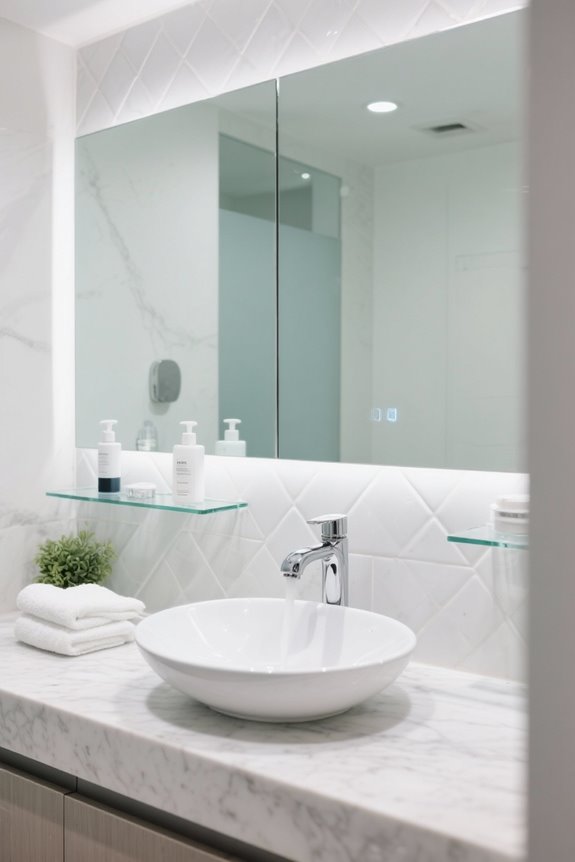
Effective mirror cleaning requires a systematic approach, as adhering to a specific sequence can greatly enhance the clarity of the glass and minimize streaks. Begin by dusting the mirror with a dry microfiber cloth to eliminate debris, which could otherwise cause streaking. Next, lightly mist a vinegar-water or commercial glass cleaner onto a microfiber cloth—never directly on the mirror—to avoid oversaturation. Employ an S-pattern, moving from top to bottom, to guarantee even coverage during the cleaning process. Once cleaned, flip the cloth to a dry side or utilize a fresh microfiber cloth to buff the mirror, achieving a streak-free finish. Regular maintenance with a simple weekly wipe can help reduce grime buildup and the frequency of extensive cleaning tasks. Automatic air fresheners, such as the Air Wick model, offer a convenient way to maintain a pleasant and fresh-smelling environment, complementing your clean mirrors.
Recommended Products

The Pro-Clean Basics Premium Smooth Jersey Die Cut White T-Shirt Rags are the superior option to all cleaning and wiping needs; featuring a soft and lint free cotton material that efficiently retains dirt and liquids without the risk of surface scratches

PROFESSIONAL MICROFIBER CLEANING CLOTHS: SmartRags microfiber cloths are the smarter tool for all cleaning tasks. Designed to handle all cleaning duties in automotive shops, corporate offices, urgent cares, hospitals, and nursing homes that require easy access to microfiber. SmartRags Collection of microfiber cloths quickly clean away dirt and grime
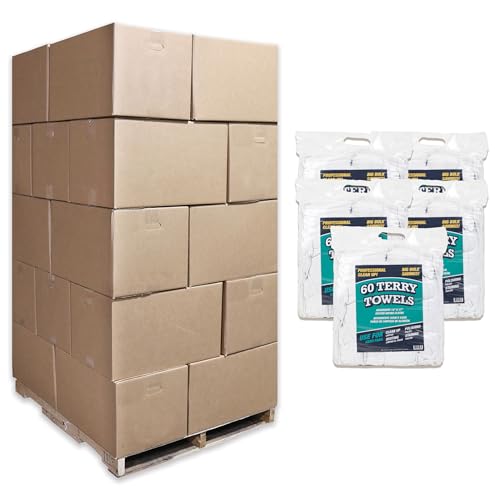
PREMIUM QUALITY TERRY TOWEL CLEAN UP CLOTHS: Our terry cleaning cloth towels are made of 100% cotton and are very absorbent. 60 utility towel measuring 14" x 17" in a poly bag with carrying handle for convenience
Tackling Hard Water Stains

Hard water stains, which often manifest as unsightly, chalky white marks on mirrors, result from mineral deposits left behind when water evaporates. To effectively tackle these hard water stains, individuals can utilize DIY solutions, such as a paste made of equal parts baking soda and water, applied gently before drying and wiping off. Employing distilled water in regular cleaning routines can considerably reduce the buildup of hard water stains, thereby preventing mineral deposits from accumulating. Additionally, it is advisable to spot clean any visible hard water stains prior to an extensive cleaning of the glass surface. For ongoing maintenance, using a squeegee after each shower can greatly diminish the likelihood of future stains, ensuring a consistently clear reflection. Another effective method is using cleaners specifically designed for mineral build-up, like CLR Pro Calcium, Lime & Rust Remover, which is formulated to tackle hard water stains on tiles and fixtures.
Recommended Products

【Commercial Compact Floor Cleaning Machine】 features 14" brush cleaning width and 18" squeegee width, providing efficient cleaning in small to medium-sized commercial spaces. 0.54 HP (400W) brush motor operates at 180 RPM, delivers thorough cleaning in a single pass, covering up to 15,000 sqft/h.

Sold Direct from Manufacturer (No Third Parties)

Comprehensive Cleaning Solution: Includes a variety of gloves, floor pads, and specialized tools to clean every surface in your home efficiently and effectively.
Steam Cleaning for Sparkling Mirrors
While traditional cleaning methods often involve the use of chemicals and repetitive scrubbing, steam cleaning presents a modern, eco-friendly alternative that efficiently tackles dirt and grime on mirrors. Utilizing high-temperature steam, this technique effectively breaks down stubborn residues and hard water stains without scratching or damaging the mirror surface. A steam cleaner equipped with a squeegee attachment is essential for ideal results, enabling users to remove moisture effortlessly and achieve a streak-free finish. Additionally, steam cleaning requires minimal water, lessening the likelihood of streaking post-cleaning. Regular use of this method not only maintains mirror clarity but also reduces the frequency of deep cleaning, making it a convenient and sustainable maintenance tool for sparkling mirrors. For those concerned with water conservation, it’s worth noting that WaterSense certified models ensure optimal performance while saving water, much like the sustainability benefits of steam cleaning.
Recommended Products

Fast Heat, Large Tank - In 8 minutes, a ½ gallon of water becomes 298ºF dry steam vapor. With up to 2 hours of cleaning time and 3 pressure settings, this professional steam cleaner really performs. Italian made by original inventor of steam cleaners.

【Large Capacity】 Designed with a 50.7oz large capacity water tank, this steamer for cleaning with a 16ft long power cord provides up to 50 minutes steaming time, which is ideal for whole-home cleaning without interruption

Professional-Level Cleaning Power at Home – Drawing from Vapamore’s roots in Italian steam cleaning design, the MR-100 Primo Steam Cleaner delivers high-performance cleaning through an easy-to-use system with 20 included accessories and adjustable steam control.
Spot Cleaning Techniques for Stubborn Areas
Building upon the effectiveness of steam cleaning, the focus now shifts to spot cleaning techniques for tackling stubborn areas on mirrors that may require more targeted attention. For persistent marks, such as hairspray or makeup residue, using rubbing alcohol on a clean cloth or cotton bud can effectively lift stains without harming the mirror’s surface. It is essential to apply the cleaning solution directly to these difficult spots, guaranteeing a focused approach rather than cleaning the entire mirror at once. Furthermore, one must avoid excessive force to prevent scratches or damage to the reflective coating. Testing any cleaning solution on a small, inconspicuous area first helps ascertain that it does not cause clouding or hazing over time, safeguarding the mirror’s clarity. Mirrored medicine cabinets, like the KOHLER Beveled Medicine Cabinet, often feature anodized aluminum construction that enhances durability and protects against rust, making them an excellent choice for bathroom storage solutions.
Avoiding Common Cleaning Mistakes
To achieve truly streak-free mirrors, awareness of common cleaning mistakes is essential, as neglecting certain steps can result in the very streaks that one aims to eliminate. First, excessive use of cleaning products can lead to unwanted residue, complicating the cleaning process. Additionally, skipping the critical initial dusting step with a dry microfiber cloth allows dirt to smear when using wet cleaners. Unlike paper towels, which may leave lint and contain additives that cause streaks, microfiber cloths provide a better cleaning surface. Employing a side-to-side motion rather than circular patterns minimizes static charge and enhances coverage. Finally, for stubborn stains, employing targeted spot cleaning, rather than scrubbing the entire mirror, preserves clarity while avoiding potential damage. For compact bathroom spaces, consider installing a Los Flexi 20 pedestal sink, which offers a modern design that optimally utilizes limited areas.
Maintaining Your Mirrors for Long-Lasting Clarity
Maintaining mirrors for long-lasting clarity requires regular and systematic care, as consistent cleaning not only preserves their shine but also enhances the quality of reflections. To achieve clean glass, individuals should utilize a dry microfiber cloth weekly to dust away dirt and grime, thereby allowing for clearer views. Incorporating a DIY solution of vinegar and dish soap helps combat fogging, reducing moisture adherence considerably. Storing these cloths in accessible locations encourages prompt action against any smudges or splatters. Additionally, inspecting mirrors under various lighting conditions aids in identifying buildup or streaks, facilitating targeted spot cleaning and ensuring a streak-free finish, which helps maintain that pristine appearance over time and enhancing overall reflection quality. Regular maintenance in high-moisture areas is essential for mold resistance, helping to prevent mold growth and preserve the mirror’s surface integrity.
Eco-Friendly Cleaning Alternatives
While conventional cleaning products may offer quick fixes for grime on mirrors, eco-friendly alternatives provide a safer, more sustainable approach that yields equally impressive results. A simple mixture of equal parts vinegar and distilled water effectively cuts through dirt without introducing harmful chemicals. Additionally, using a drop of diluted dish soap in water can create an efficient cleaning solution that minimizes suds and residues. Employing lint-free microfiber cloths enhances this process by capturing moisture and dirt, ensuring a streak-free finish. For those seeking chemical-free methods, steam cleaning utilizes high-temperature steam to lift grime, making it an excellent eco-friendly choice. Overall, these options provide an accessible, effective way to maintain shiny, clear mirrors while promoting environmental responsibility. For a no-scrub formula that requires minimal effort, Wet & Forget Shower Cleaner offers a convenient alternative for easy cleaning.
Routine and Maintenance Tips
A consistent routine for mirror maintenance can greatly enhance the clarity and lifespan of reflective surfaces, complementing eco-friendly cleaning methods. Utilizing a dry microfiber cloth weekly can considerably reduce dust buildup, preserving clarity. For quick touch-ups, employing a damp microfiber cloth corner to wipe away smudges as they occur prevents the need for extensive cleaning sessions later. Additionally, incorporating a daily squeegee after showers is effective in eliminating water spots and fog. Storing microfiber cloths in accessible locations encourages regular cleaning and facilitates fast touch-ups when necessary. Conducting a monthly deep clean using a vinegar-water solution will help combat hard water stains and grime, ensuring that mirrors maintain a sparkling and clear finish.
Final Thoughts on Mirror Care
Effective mirror care is crucial for ensuring ideal clarity and longevity, as regular maintenance practices greatly contribute to their pristine appearance and functionality. Implementing a consistent cleaning routine, such as utilizing a dry microfiber cloth for a quick once-over, is essential to preventing dirt buildup and streaking. Additionally, a DIY cleaning solution—comprised of vinegar and dish soap—can improve cleanliness and counteract fogging when applied regularly. It is important to avoid harsh chemicals, as these can damage mirror surfaces and diminish their shine over time. Employing proper techniques, like S-pattern wiping, further reduces the potential for streaks, enhancing overall mirror care. Ultimately, a well-maintained mirror notably elevates the aesthetic of any living space.
Frequently Asked Questions
What Is the Best Way to Clean Mirrors Without Streaking?
With a glimmering surface awaiting restoration, employing mirror cleaning techniques using homemade cleaner solutions, microfiber cloths, and S-pattern wipes guarantees clarity. Regular upkeep minimizes common cleaning mistakes, maintaining a pristine reflection while promoting ideal cleaning frequency.
Why Do My Mirrors Look Smeared After Cleaning?
Mirrors appear smeared after cleaning due to common cleaning mistakes, such as using improper mirror cleaning techniques and tools, environmental factors like hard water, and ineffective drying methods that leave residues and streaks behind.
What Is the Best Way to Clean Glass Without Leaving Streaks?
The best way to clean glass without streaks involves using homemade glass cleaners like vinegar and water, utilizing ideal tools such as microfiber cloths, and effective cleaning techniques like the S-pattern method for streak-free solutions.
Is It Better to Use Paper Towels or Cloth on Mirrors?
Ironically, despite paper towel effectiveness, using microfiber cloth benefits mirrors markedly more. Employing appropriate cleaning solution types and streak-free techniques enhances results, making microfiber the superior choice for mirror maintenance tips and ideal clarity.


