As an Amazon Associate, we earn from qualifying purchases. Some links on this site are affiliate links at no extra cost to you. Our recommendations are based on thorough research and editorial judgment.


Venting Options for Different Heater Types

Various venting options exist for different heater types, including standard atmospheric, power, direct, and power direct vents. Each system has unique installation requirements, often requiring professional oversight for safety compliance. Standard atmospheric vents rely on natural convection, while power vents use a blower to enhance efficiency. Direct vents provide improved indoor air quality by sourcing air from outside. Proper installation is essential for preventing hazards, with additional insights available on choosing the right option and maintenance needs.
Key Takeaways
- Standard Atmospheric Vent relies on natural convection and requires vertical installation to prevent gas leaks and backdrafting risks.
- Power Vent utilizes an electric blower for enhanced efficiency, allowing both horizontal and vertical installations while needing proximity to an electrical outlet.
- Direct Vent systems improve indoor air quality by drawing combustion air from outside and using coaxial venting for safe exhaust.
- Power Direct Vent also uses a blower for combustion air, making it suitable for poorly ventilated areas, with lightweight PVC piping for cost-effective installation.
- Compliance with local building codes and regular inspections is essential for safe installation and efficient operation of any venting system.
Standard Atmospheric Vent
Standard atmospheric vents, commonly utilized in residential gas water heaters, operate on the principle of natural convection, where the upward movement of hot air and combustion gases facilitates the safe expulsion of exhaust through a vertical duct. This venting method relies heavily on natural buoyancy to function effectively, making professional installation critical for safety compliance. A dedicated vent may serve only the gas water heater or share connections with other appliances under strict safety regulations. For ideal exhaust expulsion, the vent must be installed vertically or with an upward slope, preventing obstructions. However, compared to more advanced systems, standard atmospheric vents may be less efficient and carry risks such as backdrafting and gas leaks if not correctly installed. When selecting a water heater, consider models with non-slip surfaces to enhance safety and meet ASTM standards.
Power Vent

Power vent water heaters represent a modern and efficient option for homeowners seeking effective exhaust management in their heating systems. These units utilize an electric blower fan to enhance the expulsion of exhaust gases, allowing for both horizontal and vertical venting installations. Designed for flexibility and energy efficiency, power vent systems reclaim heat from exhaust gases, reducing energy consumption. They can employ PVC piping, which is a cost-effective and easy-to-assemble alternative compared to traditional materials. Installation requires proximity to an electrical outlet for blower operation, making electrical access essential. Homeowners should consult a professional plumbing contractor to verify compliance with local codes and adherence to safe venting practices for peak performance and safety. Modern tankless units utilize self-modulating technology for efficiency, which is crucial for reducing standby loss and improving overall energy usage.
Recommended Products

ISLAND FEATURES - The MAi400-D Mont Alpi 400 deluxe series 82" premium outdoor kitchen island with grill arrives almost fully assembled (modular attachment required) and is made from 304 stainless steel. This material blends seamlessly to the white granite countertop surfaces on each side of the 32" stainless steel center grill with storage cabinets directly below. White granite countertops and sides come standard. You also get large soft closing drawers right underneath your grill for extra storage and easy access, plus a fully covered back with vents. Your outdoor kitchen also comes with gliding castor wheels for smooth and easy-to-maneuver movement and increased stability.

Upgrade your Polaris RZR to an epic elevated audio experience with the Rockford Fosgate RZR Stage 6 Audio Kit
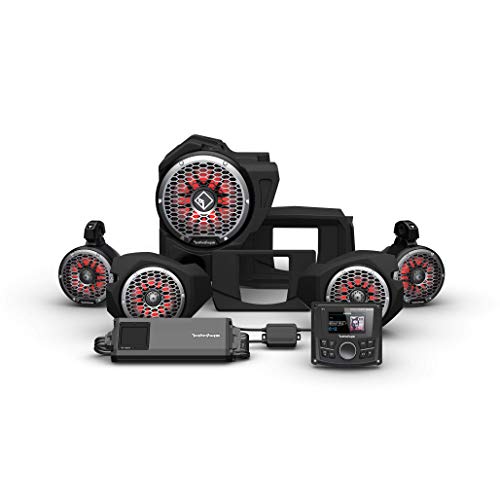
Upgrade your Polaris RZR to an epic elevated audio experience with the Rockford Fosgate RZR Stage 5 Audio Kit
Direct Vent

An efficient alternative to traditional venting options, direct vent heaters draw combustion air directly from the outside environment, eliminating the reliance on potentially unsafe indoor air supplies. Utilizing a coaxial venting system, these heaters maintain separate ducts for intake air and exhaust gases, enhancing both efficiency and safety. This design is particularly beneficial in areas with inadequate indoor ventilation, as it helps maintain ideal combustion conditions while reducing concerns about indoor air quality. Installation typically requires professional guidance, ensuring compliance with local building codes and safety standards. Additionally, direct vent systems offer installation flexibility, allowing for horizontal or vertical venting according to the building’s design, thereby reducing potential backdrafting risks associated with other systems. Regular maintenance of direct vent systems is crucial to prevent costly repairs and ensure optimal performance.
Recommended Products

Upgrade your Polaris RZR equipped with Ride Command to an epic elevated audio experience with the Rockford Fosgate RZR Stage 5 Audio Kit for Ride Command

Fully Recessed - Ultra-thin design enables a flush installation into a 2x4 wall.

Upgrade your Polaris RZR to an epic elevated audio experience with the Rockford Fosgate RZR Stage 3 Audio Kit
Power Direct Vent

Venting options for heater types have evolved, and among them, Power Direct Vent systems stand out for their efficiency and design. These units utilize a blower fan to draw in outside air for combustion while expelling exhaust gases, making them ideal for inadequately ventilated spaces. Power Direct Vent systems frequently use lightweight PVC piping, which offers a cost-effective installation alternative to traditional metal ducts. A primary requirement includes an electrical outlet to power the blower, which is essential for peak performance. Additionally, the design effectively prevents backdrafting by managing separate pathways for intake air and exhaust gases, enhancing safety. Consulting a plumbing contractor guarantees proper installation and compliance with local codes, yielding a safe and efficient heating solution for various settings. A popular choice among homeowners is the Copco 18-Inch Lazy Susan for its easy-glide design and versatility, which is ideal for organizing spaces like kitchens or craft rooms.
Recommended Products

COMMERCIAL-GRADE PERFORMANCE: Sanicom 2 is built for demanding environments, pumping gray water from laundry, sinks and showers. It offers a discharge capacity of up to 32 feet vertically and 390 feet horizontally, ideal for extensive applications.

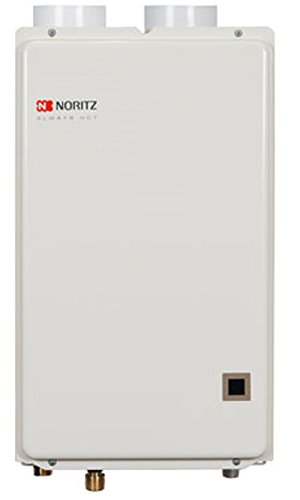
Reduce energy usage and enjoy endless hot water with the Energy Star, condensing Outdoor Natural Gas 540H tankless water heater. Delivers up to .94 Uniform Energy Factor (UEF) and a Continuous flow rate up to 10.0 GPM.
Concentric Vent

While many venting systems present their own advantages, concentric venting represents a fusion of efficiency and aesthetics, utilizing a coaxial pipe-in-pipe design to facilitate the simultaneous intake of fresh air and the expulsion of exhaust gases. This method is particularly effective for direct vent applications, including power direct vent and tankless water heaters. Concentric venting streamlines installation, requiring minimal wall or roof penetration, which can lead to a significant reduction in piping and labor costs compared to traditional venting methods. The system enhances aesthetic appeal by reducing multiple visible vent pipes on a home’s exterior. Professional installation is essential to guarantee compliance with safety regulations and local building codes, ensuring safe and efficient operation. In 2026, electric tankless water heaters are noted for their energy efficiency and convenience, making them highly compatible with concentric venting systems.
Recommended Products

Detachable Horizontal Vent Kit, designed for more indoor gas tankless water heater, can be assembled in lengths to suit your needs.

Efficient Venting: Horizontal vent pipes are designed for residential tankless water heaters. They effectively vent exhaust gases from the combustion process, ensuring optimal performance and safety of the water heater.

Type: Vent Pipe - Direct Vent
Importance of Water Heater Venting
Understanding the importance of water heater venting is essential for maintaining a safe and efficient home environment, as proper venting mechanisms effectively eliminate harmful exhaust gases, including carbon monoxide, which can jeopardize the health of occupants. Inadequate water heater venting can lead to serious health risks, including carbon monoxide poisoning, making professional installation and adherence to local building codes necessary. Additionally, improper venting reduces overall efficiency, potentially resulting in elevated energy costs and diminished performance of the heating system. Furthermore, many manufacturers stipulate that proper venting is a condition for warranty coverage. Homeowners must prioritize compliance with these standards to safeguard both the health of residents and the longevity of their investment in heating appliances. Proper venting is crucial for energy-efficient options, as it ensures optimal performance and cost savings.
Considerations for Choosing the Right Venting Option
Choosing the right venting option for a water heater involves careful consideration of several important factors that influence safety and efficiency. The heater type greatly impacts the choice of venting system, as gas water heaters may utilize atmospheric, power, or direct vent systems depending on the installation space. Adhering to local building codes is essential, as these regulations specify clearances, pipe sizes, and venting configurations that guarantee safe operation. Additionally, the proximity of electrical outlets is critical for power vent systems, which depend on electric blowers for ideal exhaust. Evaluating the air supply is essential for direct vent systems that draw combustion air from outside, while the materials and insulation of exhaust vent pipes must match the specific requirements of high-efficiency units. Fans operating below 1.0 sones provide a quieter environment, enhancing comfort when choosing bathroom exhaust fans.
Recommended Products
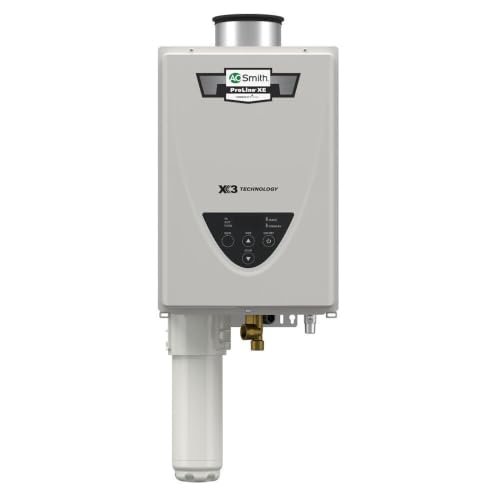
Enjoy Continuous Flow: This heater allows a flow rate up to 8.0 GPM while X3 Scale Prevention Technology prevents scale buildup and maintains like-new performance longer. No annual descaling or isolation valves required.

The TV Shield indoor and outdoor TV enclosure is sealed with the ExactSeal sealing system to rainproof digital monitor against moisture intrusion and water damage; two louvered vents with moisture screen that prevent heat buildup and intruders big and small.

The TV Shield indoor and outdoor TV enclosure is sealed with the ExactSeal sealing system to rainproof digital monitor against moisture intrusion and water damage; two louvered vents with moisture screen that prevent heat buildup and intruders big and small
Professional Installation and Compliance Requirements
In the domain of water heater installation, professional expertise plays an essential role in guaranteeing compliance with local building codes and safety regulations, which govern various aspects of venting systems. Different venting methods, such as direct vent and power vent, have specific installation requirements, including proximity to electrical outlets and coaxial piping. It is critical to maintain proper clearances from combustible materials during installation, as failing to do so can pose serious fire hazards. Additionally, appropriate sealing and insulation, along with correct vent pipe sizing, support efficient venting and mitigate leaks. Qualified professionals should conduct regular inspections and maintenance to uphold compliance requirements and guarantee ongoing operational efficiency, helping users enjoy safe and reliable heating solutions. Hybrid water heaters, like the EcoSmart ECO 11, offer energy-efficient performance with compact designs suitable for small spaces, further emphasizing the importance of professional installation for optimal functionality.
Frequently Asked Questions
What Are the Options for Furnace Venting?
Furnace venting options include direct venting systems, natural venting methods, and power venting solutions. Key considerations involve chimney liner installation, vent sizing, venting materials overview, vertical venting techniques, horizontal vent installation, and adherence to energy efficiency standards.
What Is Type 3 Venting?
Type 3 venting utilizes specific materials for high-efficiency applications, ensuring safety and compliance with codes. Installation follows strict guidelines, addressing ventilation requirements, maintenance tips, performance efficiency, environmental impact, and associated cost factors effectively.
What Are the Different Vent Options for Water Heaters?
In a dance of steam and exhaust, water heater types utilize various venting systems—natural draft, direct venting, and power venting. Each choice shapes vent location, installation guidelines, and safety measures, guiding maintenance tips for peak efficiency.
What Are the Different Types of Venting?
There are various types of vents, including atmospheric, power, direct, and concentric. Each type adheres to specific building codes and installation guidelines, optimizing energy efficiency, airflow dynamics, and flue design while ensuring safety standards are met.


