As an Amazon Associate, we earn from qualifying purchases. Some links on this site are affiliate links at no extra cost to you. Our recommendations are based on thorough research and editorial judgment.


How to Read Tub Specs: Capacity, Dimensions, and Weight

To effectively read tub specifications, one must understand three key aspects: capacity, dimensions, and weight. Bathtub capacity ranges from 40 to 80 gallons, while soaking tubs can exceed 100 gallons. Standard dimensions include lengths from 54 to 72 inches and widths of 30 to 32 inches. Weights vary considerably, with cast iron tubs exceeding 300 pounds when empty. Accurate measurements are essential for proper installation and ensuring a fit within available space. Further, nuances in material and customization options can enhance the bathing experience.
Key Takeaways
- Understand bathtub capacity by considering the total gallons and factoring in the usable volume reduced by overflow drain and body displacement.
- Measure tub dimensions accurately, focusing on overall length, width, height, and basin dimensions to ensure proper fit in your space.
- Assess soaking depth, noted from the basin’s lowest point to the overflow outlet, for comfort based on personal preferences.
- Evaluate the weight of the tub, both empty and filled, to ensure adequate structural support and prevent floor damage during installation.
- Consider customization options for shape, size, and features, ensuring they align with your aesthetics and practical requirements.
Understanding Bathtub Capacity
Understanding bathtub capacity is essential for homeowners considering the selection of a tub that aligns with their water usage needs and their existing plumbing setup. Bathtub capacity typically ranges from 40 to 80 gallons for standard models, while soaking tubs may exceed 100 gallons. It is crucial to note that due to the overflow drain and body displacement, the usable water volume can decrease by 10-15%. Standard alcove and drop-in tubs usually hold about 40 to 60 gallons, whereas larger freestanding and soaking tubs can accommodate 60 to 110 gallons. To calculate a tub’s capacity accurately, homeowners should measure the length, width, and depth to the overflow drain in inches, applying the formula: Gallons = (Length × Width × Depth) ÷ 231. Consider tubs constructed with high gloss LUCITE acrylic and fiberglass for improved durability.
Measuring Tub Dimensions: Length, Width, and Height

Accurate measurement of a bathtub’s dimensions—length, width, and height—is essential for guaranteeing it fits both the available space and the user’s comfort requirements. The overall length measures from the longest point, including the lip or shelf, typically ranges between 54 to 72 inches. For overall width, standard tubs usually run about 30 to 32 inches at their widest part. Height is generally measured from the floor to the rim, which varies from 14 to 20 inches. Specific basin dimensions further enhance bathtub measurements: basin length averages around 60 inches, while basin width falls within 27 to 32 inches. Understanding these overall dimensions guarantees an informed decision while accommodating personal preferences for relaxation. Many modern bathtubs, such as the WOODBRIDGE 67 Acrylic Freestanding Bathtub, have a 60-gallon capacity, ensuring a generous soaking experience.
How to Determine Soaking Depth

When evaluating a bathtub’s soaking depth, an understanding of the measurement from the lowest point of the basin to the overflow outlet is crucial, as this determines the volume of water that the tub can hold before reaching its drainage point. Standard tubs typically feature soaking depths ranging from 12 inches to 14 inches, while dedicated deep soaking tubs can achieve depths of up to 34 inches, ultimately providing a more immersive bathing experience. When considering soaking depth, it is important to factor in tub dimensions, as the basin’s shape and angle can considerably affect usability. To guarantee ideal comfort, individuals must also align the soaking depth with their personal preferences, as deeper water capacities may not suit everyone effectively. Freestanding bathtubs, such as the WOODBRIDGE Acrylic Freestanding Bathtubs, often have a double-walled design that improves insulation and enhances the overall bathing experience.
Importance of Weight in Tub Selection
Weight plays a pivotal role in bathtub selection, as it not only influences the installation process but also affects the structural integrity of the bathroom floor. Heavier bathtubs, such as those made from cast iron, often exceed 300 pounds when empty, while lighter alternatives like acrylic typically weigh between 80 to 100 pounds, enabling easier installation. However, the filled bathtub can weigh considerably more, sometimes surpassing 1,000 pounds. This necessitates adequate floor support to prevent damage. Understanding both the empty weight and the filled weight is essential for ensuring that existing plumbing can handle drainage and water fill effectively. Ultimately, selecting a bathtub involves balancing aesthetic preferences with practical considerations of weight and structural stability. Additionally, when choosing a bathtub, it is important to evaluate drain placement options to ensure ease of installation and compatibility with existing plumbing setups.
Standard Bathtub Sizes by Type

Bathtubs come in various shapes and sizes, each designed to meet different aesthetic preferences and practical needs. Standard alcove bathtubs typically measure 60 inches in length, 30 to 32 inches in width, and 14 to 16 inches in height, accommodating most bathrooms seamlessly. In contrast, freestanding tubs range from 55 to 72 inches long and 27 to 32 inches wide, with heights between 15 to 20 inches. Corner bathtubs often feature a triangular design, measuring 60 inches long and wide, while whirlpool bathtubs conform closely to standard alcove dimensions, reaching 60 inches in length and 32 to 36 inches in width. For accessibility, walk-in tubs have dimensions of 52 to 60 inches long and 28 to 32 inches wide, with an average height of 38 inches. Freestanding bathtubs, like the WOODBRIDGE models, often come with features like stain-resistant surfaces and ergonomic shapes for enhanced comfort.
Recommended Products
![Empava 72" x 48" Whirlpool Tub, 2 Person Jetted Bathtub, Hydro Massage & Chromatherapy [ETL Certified], 3 Sided Apron, Acrylic , 1125 Watt, 110 Gallons, Left Drain](https://m.media-amazon.com/images/I/310dcILv4sL._SL500_.jpg)
1125W Whirlpool Tub with 10 Water Jets: With careful placement of each hydromassage jet(Adjustable direction and intensity,driven by 1.2HP motor), Empava whirlpool bathtub targets key areas of the back,feet,wrists, hands and legs.
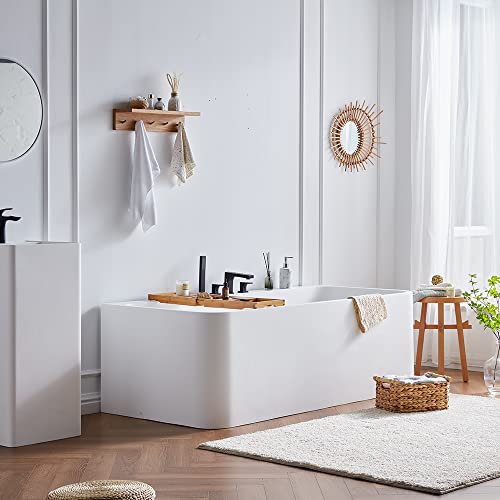
【DIMENSIONS】 Exterior Dimension: 70.87"(L) x 31.50"(W) x 22.05"(H) x 17.52"(D), Basin Seating Dimension Approximately: 45.67"(L) x 22.44"(W) – Effective Tub Capacity: 85 Gallons.

✔️【DIMENSIONS】 Exterior Dimension: 47.24"(L) x 27.56"(W) x 29.92"(H) x 25.67"(D), Basin Seating Dimension Approx. :46.06"(L) x 26.38"(W)
Walk-In Tub Specifications and Features
Walk-in tubs, designed to enhance safety and accessibility in bathing spaces, cater particularly to individuals with mobility challenges or those seeking a relaxing bathing experience. These tubs generally measure between 52 to 60 inches in length and 28 to 32 inches in width, with an average height of about 38 inches. The bathing depth of approximately 31.5 inches provides comfortable soaking while seated, vital for users with limited mobility. With a remarkably low step-in height of only 3 inches, access is greatly simplified. A standard walk-in tub efficiently works with a typical 50-gallon water heater, balancing water fill and heating requirements. Many models also include hydrotherapy features, incorporating air jets that deliver therapeutic relaxation, enhancing the overall bathing experience. The enhanced safety features such as slip-resistant flooring and grab bars make these tubs especially beneficial for seniors or individuals with mobility issues.
Recommended Products

Hydro massage comes with 5 adjustable and 6 fixed jets. Includes an intensity dial control, in-line water heater, and ozone sterilization to clean the system and water.

Hydro massage comes with 9 fixed and 6 adjustable jets. Includes an intensity dial control, in-line water heater, and sterilization to clean the system and water.

Hydro massage comes with 7 fixed and 6 adjustable jets. Includes an intensity dial control, in-line water heater, and sterilization to clean the system and water.
Hydrotherapy and Wellness: Measuring Comfort
Hydrotherapy systems are increasingly recognized for their potential to enhance wellness through precision-engineered comfort during bathing. The depth of a soaking tub, typically ranging from 15 to 24 inches, plays an essential role in immersion and overall comfort during hydrotherapy sessions. Measuring both capacity and dimensions is important, as larger tubs can hold between 60 to 110 gallons of water, impacting water use and heating efficiency. Customizable options such as air jets and warm water features add value by providing a tailored experience for best relaxation. The therapeutic effects are further enhanced by features like strategically positioned jets—standard models usually include 10 to 17—and vibrating sound technology, promoting greater wellness and mental health benefits during hydrotherapy. Cast iron bathtubs are known for their exceptional heat retention, enhancing the comfort of long soaks without frequent water refills, thereby contributing to an improved hydrotherapy experience.
Factors Affecting Water Capacity
While selecting a bathtub, several factors influence its overall water capacity and effectiveness, greatly impacting the bathing experience. Tub capacity is primarily determined by dimensions such as length, width, and soaking depth, with standard tubs typically holding between 40 to 60 gallons. The effective fill capacity may be reduced by the presence of an overflow drain, which can limit the maximum water level by 10 to 15%. Additionally, body displacement decreases usable capacity since a person’s body occupies space in the water. The shape and design of the tub, along with material density, also influence how weight is distributed, consequently affecting structural support. These elements collectively contribute to a more enjoyable bathing experience. An important consideration for compact spaces is the use of wall-mounted sinks to maximize floor space and enhance the overall functionality of a bathroom.
Installation Considerations for Different Sizes
When considering the installation of a bathtub, it is critical to evaluate the dimensions of both the tub and the available space, as improper planning can lead to costly adjustments or unsatisfactory results. Standard size alcove tubs, often measuring 60 inches long by 30 inches wide, typically require at least 12 inches of clearance for fixtures. In contrast, freestanding tubs demand at least 4 inches clearance from walls, necessitating careful plumbing and structural planning due to their heavier weight when filled, potentially exceeding 500 pounds. Walk-in tubs measure around 60 inches long and 32 inches wide, accommodating accessibility needs while aligning with plumbing locations. Alcove bathtubs are often designed for smaller bathrooms, offering elegance without compromising functionality, making them a practical choice for compact spaces. Overall, thoughtful bathroom layout and installation considerations guarantee peak functionality and aesthetic appeal.
Recommended Products

Fully equipped, the Value Series offers all the latest in safety and comfort features wtih the most advanced therapeutic options. The full-sized, watertight outward opening door is contoured and for ease of entry it has a low threshold that allows full transfer and has a lifetime warranty on the door seal, a 10 year warranty on the tub shell and a 5 year warranty on all other components.

Detachable Skirt for Flexible Installation – Seamlessly adapt to your bathroom layout with a removable skirt, offering freestanding elegance or space-saving alcove integration for this premium whirlpool tub
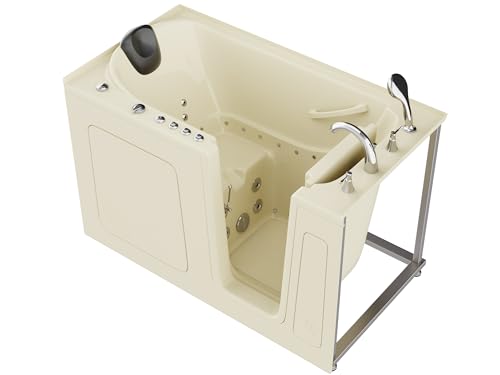
Wide Opening Door For Effortless Entry Way: Features A Watertight Pressure Seal To Prevent Leaks During Use. This Manual Walk In Design Provides A Safe And Easy Transition Into The Basin. It's built to last.
Material Impacts on Bathtub Dimensions
The choice of bathtub material plays a pivotal role in determining its dimensions and overall design, influencing not only the aesthetic appeal but also practical aspects of installation and functionality. Heavier materials, like cast iron, generally create sturdier, thicker designs, which can impact bathtub dimensions and may require significant structural reinforcement during installation. Conversely, lighter acrylic bathtubs often feature thinner walls that enable compact designs without sacrificing structural integrity. Freestanding tubs, made from acrylic or fiberglass, frequently exhibit unique shapes that deviate from standard measurements and can introduce varying dimensions. Additionally, the physical density of these materials affects water capacity; deep soaking tubs often exceed depths of 20 inches, shaping both the overall dimensions and the user experience in hydromassage. The durability and resistance of acrylic and fiberglass materials make them popular choices for modern bathtubs, as they resist chipping and cracking while maintaining a polished aesthetic.
Customization Options for Your Tub
How might one enhance their bathing experience through customization options for their tub? A range of choices exists for homeowners seeking to personalize their freestanding tubs, which can be expertly designed in various shapes, such as oval or deep soaking formats to match individual comfort preferences. Additionally, homeowners can integrate hydrotherapy features, including air jets and heated surfaces, promoting relaxation and wellness during baths. Customization options also encompass diverse color palettes, intricate patterns, and textures tailored to specific bathroom aesthetics. Furthermore, KOHLER LuxStone bath walls can be custom-cut to fit unique dimensions, ensuring a seamless look and durability while fulfilling design intent. Overall, these choices empower users to create a truly personalized bathing environment.
Recommended Products

[MODERN DESIGN]: The rectangular design and defined lines make your bathroom seem more spacious. The timeless, classic double ended design offers comfort with its lumbar arch to support your body. The Textured, slip-resistant tub floor for added safety.

【Whirlpool Bathtub for Two】Transform your bathroom into a private wellness retreat. This jetted tub comfortably seats two adults with individual legroom, perfect for shared relaxation and deeper, more restorative sleep.

ETL Certified Jetted Tub for Safety: This 67" freestanding whirlpool bathtub is ETL certified.ETL listed products demonstrate compliance to North American safety standards published by relevant NRTLS(Nationally Recognized Testing Laboratories)
Practical Tips for Choosing the Right Bath Size
Choosing the right bath size is essential for optimizing both functionality and comfort within a bathroom, given that standard bathtubs typically measure 60 inches in length and 30 to 32 inches in width, which are generally suitable for most layouts. Homeowners should consider compact bathtubs, ranging from 48 to 60 inches in length and 28 to 30 inches in width, for smaller spaces. Deep soaking tubs, often 20 to 24 inches deep, enhance the soaking experience compared to standard tubs with a depth of around 15 inches. Always measure the designated space and existing plumbing to guarantee the selected tub sizes fit for your bathroom. Invest in quality bathtubs that align with dimensions, ensuring a comfortable bathing experience tailored to personal preferences.
Recommended Products

Effortless Ice Bath Tub Experience–Fully self-contained design with integrated cooling and filtration system.No plumbing or installation required—simply plug it in,fill with water,and start your cold therapy session immediately

SAFE AND EASY ACCESS: Designed with a wide-opening door, low entry threshold, and built-in Safe Reach grab bar to make entering and exiting the tub effortless and secure for users of all mobility levels.

【Hydrojet Therapy System】Enjoy a full-body hydrotherapy experience with 360° swirling jets that target sore shoulders, back, and legs. Angled for comfort, these jets provide soothing relief during long soaks. Crafted from high-gloss, non-porous acrylic, the tub ensures durability, easy upkeep, and superior heat retention to keep water warmer, longer.
Frequently Asked Questions
How Is Bathtub Capacity Measured?
Bathtub capacity is measured using bathtub volume calculations that account for standard measurement techniques. Factors like water absorption rates, overflow drainage considerations, and material impact capacity greatly influence ergonomic design features and user comfort factors in optimizing space utilization.
How to Read Bathtub Dimensions?
To read bathtub dimensions effectively, consider shapes, installation tips, material choices, design styles, plumbing requirements, maintenance advice, accessory options, color trends, and market comparisons, ensuring a well-informed selection that fits the intended space and functionality.
What Is the Capacity of a Standard Bathtub?
A standard bathtub’s capacity typically ranges from 40 to 60 gallons. User preferences, tub designs, and material impact can all influence water retention, while installation tips and maintenance needs play essential roles in capacity comparison and weight limits.
What Are the Three Standard Sizes for Bathtubs?
Freestanding tub styles and alcove tub dimensions offer versatility; corner bathtub options maximize space while soaking tub benefits enhance relaxation. Standard sizes typically range from 48 to 72 inches, accommodating diverse bathtub materials choice and design preferences.