As an Amazon Associate, we earn from qualifying purchases. Some links on this site are affiliate links at no extra cost to you. Our recommendations are based on thorough research and editorial judgment.


Hygiene Best Practices for Brushes, Holders, and Storage

Proper hygiene best practices for toothbrushes emphasize effective storage and regular maintenance. Toothbrushes should be stored upright in ventilated holders, positioned at least six feet from toilets to minimize airborne contamination. It is crucial to rinse toothbrushes thoroughly after each use, using warm water for ideal cleaning. Regularly replace toothbrushes every three months, or sooner if sick, and maintain holder cleanliness by sanitizing them weekly. Following these guidelines promotes a healthier oral environment and reduces bacterial growth, ensuring ideal use. More insights await regarding effective toothbrush care.
Key Takeaways
- Store toothbrushes upright in ventilated holders, away from toilets, to promote drainage and reduce contamination risks.
- Rinse toothbrushes immediately after use with warm water to remove toothpaste residue and minimize bacterial growth.
- Replace toothbrushes every three months, or sooner if they show wear, to prevent harboring harmful bacteria.
- Regularly clean toothbrush holders weekly with hot, soapy water to prevent cross-contamination among family members.
- When traveling, use a clean, dry case for your toothbrush and alternate between two toothbrushes for proper drying.
The Importance of Proper Toothbrush Storage
Proper toothbrush storage is vital in maintaining ideal oral health, as it greatly reduces the risk of bacterial contamination that can occur under unsanitary conditions. Effective storage techniques, such as placing toothbrushes upright in holders, allow for optimal drainage and air circulation, which minimizes moisture retention—a key factor in bacterial growth. Additionally, keeping toothbrushes away from the toilet and avoiding closed containers decreases exposure to airborne contaminants. It is essential to replace toothbrushes every three months to uphold hygiene, considering that they can harbor over 1,200,000 bacteria, including harmful strains like E. coli. Regularly cleaning toothbrush holders and ensuring individual storage can help prevent cross-contamination, ultimately supporting overall oral hygiene for every family member. To further improve hygiene, consider using ventilation features in storage solutions to prevent odor build-up and moisture accumulation.
Rinsing Your Toothbrush

Rinsing a toothbrush immediately after each use serves as a fundamental step in ensuring oral hygiene, greatly minimizing the potential for bacterial growth and toothpaste residue accumulation. By rinsing under running water, users effectively wash away leftover toothpaste and bacteria, considerably reducing the risk of buildup. Gently rubbing the bristles with a thumb during rinsing enhances the cleaning process, helping dislodge stubborn debris. Utilizing warm water is recommended, as it loosens contaminants more effectively than cold. Additionally, soaking the toothbrush head in antibacterial mouthwash can improve cleanliness but should be done sparingly to protect the bristles. Regular rinsing is essential, as a poorly maintained toothbrush can harbor over 1,200,000 bacteria, threatening overall dental hygiene. To further enhance oral hygiene, consider using antibacterial soaps that effectively kill over 99% of germs, helping to reduce overall exposure to bacteria and viruses in your daily routine.
Recommended Products

50 COUNT ACTIVATOR CAPSULES: Each contains the precise ratio of salt, water & vinegar needed for your Force of Nature appliance to create one 12 ounce bottle of Green Seal certified multi-purpose cleaner, disinfectant and deodorizer.

Advanced Ozonated Oral Care: Combining nature’s finest ingredients with innovative ozone technology, PurO3’s Tooth & Gum Support offers a fluoride-free, preservative-free oral gel that coats teeth and gums for deep cleaning and complete oral care

Best Practices for Storing Upright

Effective storage of a toothbrush, preferably in an upright position, greatly enhances its hygiene by facilitating proper drainage of excess water from the bristles, which, in turn, minimizes moisture retention that fosters bacterial growth. Appropriate toothbrush storage requires a well-ventilated holder, allowing for rapid drying, which is essential to preventing harmful microbes. A dedicated toothbrush holder designed for vertical storage will keep bristles elevated and prevent contact with other surfaces, thereby markedly reducing the risk of cross-contamination. Additionally, toothbrushes should remain at least six feet from the toilet to minimize contamination from aerosol particles generated during flushing. Ensuring brushes are completely dry before any enclosed storage is vital, as damp environments can considerably increase bacterial accumulation, threatening oral health. When selecting a wall-mounted toothbrush holder, it is important to choose a model with proper ventilation features to promote quick drying and avoid water accumulation.
Recommended Products
![RANVOO AirJet X3 Extra [Max Interdental Clean] [Deep Cavity Defense] Electric Toothbrush, Orthodontic Braces Cleaning & Cavity Defense, Whitening & Gum Care, 60-Day Battery, Rechargeable Blue](https://m.media-amazon.com/images/I/41OSkQUNNgL._SL500_.jpg)
[Innovative AirJet 2-in-1 Clean, One Brush Does It All] RANVOO AirJet X3 Extra Elextric Toothbrush introduces a new way to brush, combining daily brushing and AirJet between-teeth cleaning in one device. With airflow up to 2.6 m/s and about 220,000 fine cleaning particles, AirJet helps reach between teeth, along the gumline, around back molars, and around braces brackets. It helps clear trapped food and daily residue from tight spaces bristles may miss, giving braces users and narrow gaps a more complete clean without the hassle of using a separate water flosser.

Strong No-Drill Suction Installation: Equipped with powerful suction cups that lock firmly onto smooth surfaces such as tiles, glass, marble, and stainless steel. No screws, adhesives, or tools required—easy installation that leaves no marks or damage on walls.
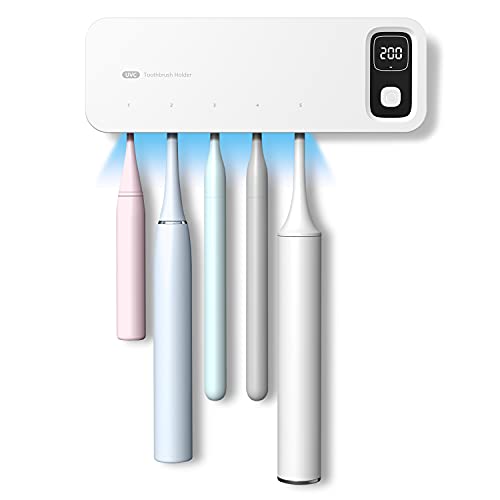
3 in 1 Toothbrush Holder: ① Holds 5 toothbrushes at the same time and keeps them separated. ② The UV light keeps your toothbrushes like new every day. ③ Built-in turbo fan dries the toothbrush to prevent toothbrush in a humid environment. All these ensure that your family has clean toothbrushes when brushing
Risks of Closed Containers

While utilizing closed containers may seem like a convenient solution for toothbrush storage, such practices can greatly undermine oral hygiene due to the high potential for moisture retention. Closed containers trap moisture, creating an ideal environment for harmful bacterial growth and mold. This restriction of airflow prevents proper drying, markedly increasing the risk of dampness-related bacteria proliferation. In fact, studies reveal that toothbrushes can harbor over 1,200,000 bacteria, including pathogens like E. coli, when moisture is retained. The inadequate ventilation limits the ability to combat bacterial build-up, consequently leading to a higher risk of infections and oral diseases. For proper toothbrush storage, it is recommended to use open holders that allow air circulation and quick evaporation of moisture after each use. Toilet fill valves designed for quiet operation can similarly benefit from proper maintenance to prevent moisture-related issues, as regular inspection and cleaning of mineral deposits maintain their performance.
Recommended Products

Slim bathroom caddy with 6 storage compartments

Comes with a ventilation hole near the bottom to allow air circulation instead of gathering a pool of water, Good ventilation performance and drain water off quickly.

4-Slot Hygienic Design - This marble toothbrush holder features 3 small holes for standard toothbrushes and 1 large hole for toothpaste, razors, or electric toothbrushes. Keeps bathroom essentials separated, easily accessible, and hygienic
Keeping Toothbrushes Away From the Toilet

The proximity of toothbrushes to toilets presents a marked risk for bacterial contamination, particularly due to the phenomenon known as toilet plume, which can disperse germs into the air during flushing. Experts recommend storing toothbrushes at least six feet away from the toilet, greatly reducing exposure to airborne bacteria. While closing the toilet lid before flushing helps minimize aerosolized particles, it does not completely eliminate contamination risks. Consequently, implementing effective storage solutions, such as wall-mounted holders and lidded containers with ventilation, enables better airflow while keeping brushes secure from splashes. Additionally, ensuring toothbrushes are also distanced from sinks enhances overall oral hygiene, preventing further exposure to harmful bacteria that can thrive in moist environments. Using UV sanitization options in toothbrush holders can further enhance hygiene by killing 99.99% of germs on toothbrush bristles.
The Dangers of Sharing Toothbrushes
Toothbrushes, often overlooked as common household items, pose a significant health risk when shared among individuals. Sharing toothbrushes can facilitate the transfer of harmful bacteria and viruses, consequently increasing the risk of infections and dental diseases, such as gingivitis and cavities. Importantly, the average toothbrush contains approximately 1,200,000 bacteria, including harmful pathogens like E. coli and Staphylococcus aureus, which can lead to severe health issues. Additionally, research indicates that sharing toothbrushes may also transmit respiratory infections, as bacteria and viruses thrive in the moist environments of used brushes. To promote oral health, color-coded or designated toothbrushes for each family member are essential, reducing the likelihood of cross-contamination and ensuring that individual brushes are free from another person’s microbes. When selecting hygiene products like toilet brushes, ergonomic designs are important to consider, as they reduce strain and improve control during use.
Regular Replacement of Toothbrushes
How often should individuals consider replacing their toothbrushes to maintain ideal oral health? It is widely recommended to replace your toothbrush every three months, even if it appears free of visible wear. A worn toothbrush can harbor up to 1,200,000 bacteria, including harmful strains like E. coli, which contribute to gum disease and cavities. For peak oral health, regular cleaning of bristles is insufficient without their timely replacement. After recovering from illness, individuals should also discard their toothbrush to prevent reinfection. Children’s toothbrushes require even more frequent replacements, approximately every 6-8 weeks, due to their developing dental needs. Regular replacement of toothbrushes is an essential practice for enhancing overall dental hygiene and reducing risks of bad breath and oral infections. Undermount bathroom sinks, like those made from vitreous china, are known for their resistance to stains and discoloration, which complements a hygienic bathroom environment.
Maintaining Cleanliness of Toothbrush Holders
Maintaining the cleanliness of toothbrush holders is crucial for promoting ideal oral hygiene. Regular sanitation, using hot, soapy water or disinfectant solutions, is recommended at least once a week. This practice effectively reduces bacterial buildup that may compromise a clean toothbrush. Opting for toothbrush holders equipped with ventilation holes allows for improved airflow and faster drying, which minimizes bacterial growth. Additionally, storage tips suggest keeping holders away from sinks and toilets to avoid contamination from splashes or aerosolized particles. It is also important to replace toothbrush holders every few months or sooner if signs of wear emerge. By following these guidelines, individuals can guarantee their toothbrush holders remain a hygienic storage solution for oral care tools. To ensure a stylish and functional bathroom, consider integrating a wall-mounted soap dispenser that saves counter space and enhances aesthetic appeal.
Recommended Products

[ Sturdy High Quality ] This Ceramic bathroom accessories sets are sturdy and good touchless material that have valuable look
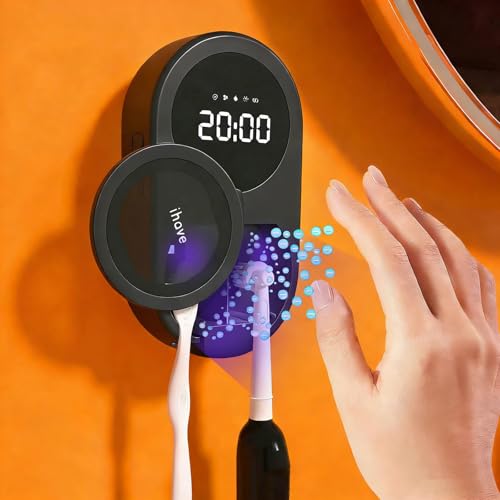
🔄Revolutionary 360° Disinfection System: Unlike basic UV toothbrush sanitizers that leave shadowed areas untreated, the iHave toothbrush sanitizer and holder combines UVC light, 100 million negative ions, and a powerful turbine fan to deliver comprehensive 360° disinfection, mold prevention, and rapid odor elimination, making it the ideal solution for modern homes, apartments, and RV bathrooms.

Cleaning Performance Certification: Say goodbye to hidden health risks! Studies from NSF show a 3-month-old toothbrush can carry 80x more dirty than a toilet seat. The Bitvae toothbrush cleaner is lab-certified to deliver effective cleaning, making this toothbrush cleaner your best defense for daily oral hygiene
Traveling With Your Toothbrush
When initiating travel, it is essential for individuals to guarantee their toothbrush remains protected from contamination, as exposure to various environments can lead to bacteria growth. A clean, dry travel case serves as an effective barrier against harmful microbes. Before packing, it is important to confirm that the bristles are completely dry, as moisture contributes to bacterial proliferation. For extended trips, alternating between two toothbrushes allows each to dry thoroughly, minimizing hygiene concerns. Furthermore, individuals should endeavor to store their toothbrush in a cool, dry environment while traveling, as warm and damp conditions can foster germ growth. Upon returning home, disinfecting both the toothbrush and its holder is critical to eliminate any bacteria that may have accumulated during the journey. Additionally, using waterproof and leakproof materials for toiletry storage can help protect hygiene essentials from spills and moisture, further ensuring cleanliness during travel.
Disinfection Tips for Toothbrushes
While many individuals overlook the importance of toothbrush disinfection, maintaining a clean brush is essential for effective oral hygiene and overall health. Disinfecting your toothbrush can be accomplished by soaking it in a solution of equal parts vinegar and water for 10-15 minutes, as vinegar possesses natural antibacterial properties that are effective against harmful germs. For added sanitization, a diluted bleach solution—one teaspoon of bleach in a cup of water—may be employed, with thorough rinsing essential afterward to eliminate residues. Additionally, soaking the toothbrush head in antibacterial mouthwash for a few minutes weekly helps further sanitize your toothbrush. After an illness, replacing the toothbrush and cleaning the storage holder can prevent the reinfection of lingering germs, promoting ideal oral hygiene practices. Consider using premium-grade ceramic sinks in your bathroom, as they are durable and easy to clean, which also helps maintain a hygienic environment.
Recommended Products

Two ingredients: Food grade hydrogen peroxide (H202) and deionized, purified water (H2O), with zero additives or stabilizers.

🔬 𝟰𝟴𝗸𝗛𝘇 𝗨𝗟𝗧𝗥𝗔𝗦𝗢𝗡𝗜𝗖 𝗖𝗟𝗘𝗔𝗡𝗜𝗡𝗚 𝗣𝗢𝗪𝗘𝗥 — Coja Dental's ultrasonic retainer cleaner machine uses high-frequency 48kHz waves to deeply clean retainers, night guards, aligners, dentures, and mouthguards. Three dedicated modes — Quick, Deep, and Gentle — adapt this dental pod to every appliance type and routine, reaching every crevice that manual brushing cannot.

45kHz Ultrasonic Cleaning with 25W Power: High-frequency 45kHz ultrasonic waves combined with 25W output create dense bubbles that help remove surface buildup from retainers, dentures, aligners, mouthguards, and jewelry providing a thorough and gentle cleaning experience.
Frequently Asked Questions
What Is the Most Hygienic Way to Store Makeup Brushes?
The most hygienic way to store makeup brushes involves diligent makeup brush sanitization. Ideal brush storage includes ventilated holders, while regularly cleaning brush holders guarantees a pristine environment, safeguarding brushes from contamination and preserving their performance.
What Is the Most Hygenic Way to Store Your Toothbrush?
The most hygienic way to store a toothbrush involves upright positioning in ventilated holders to facilitate air circulation, avoiding closed storage containers. Regular toothbrush cleaning and proper spacing prevent germs, ensuring effective germ prevention measures are maintained.
Do Toothbrush Holders Hold Bacteria?
Toothbrush holders can indeed harbor bacteria. Selecting materials that minimize bacterial growth and adhering to cleaning frequency guidelines are essential for maintaining hygiene and preventing harmful pathogens from thriving within these holders. Proper airflow further aids in prevention.
How to Prevent Mold in Toothbrush Holder?
What greater foe to hygiene exists than mold? To prevent its growth in toothbrush holders, opt for non-porous materials, clean weekly, and guarantee proper ventilation with drainage. Consistent care is essential for a pristine brushing experience.


