As an Amazon Associate, we earn from qualifying purchases. Some links on this site are affiliate links at no extra cost to you. Our recommendations are based on thorough research and editorial judgment.


Noise From Toilets: Fill Valves, Hammers, and Fixes

Toilet noise commonly stems from worn fill valves, high water pressure, and water hammer effects, which disrupt bathroom serenity. Symptoms include vibrations, rattling, or loud banging noises in the pipes, often during flushes. Solutions include installing high-quality fill valves, such as the Fluidmaster PerforMAX®, and pressure-reducing valves that regulate pressure to 60-65 psi. Water hammer arresters can also help by absorbing shock waves. Regular maintenance of these components is crucial to prevent persistent issues and guarantee peak performance. Further insights will be discussed.
Key Takeaways
- Toilet noise often stems from worn fill valve components, high water pressure, or blockages in the plumbing system.
- Water hammer can occur from abrupt valve closures, creating banging noises during toilet fills.
- Temporary fixes include flushing continuously or draining water to alleviate pressure in the system.
- Long-term solutions involve replacing old fill valves, securing loose pipes, and considering water hammer arresters.
- Professional plumbers can assess persistent noise issues and ensure compliance with plumbing standards and codes.
Understanding the Causes of Noise From Toilets
Understanding the causes of noise from toilets is essential for homeowners seeking to maintain a peaceful living environment, as various factors can contribute to these disruptive sounds. One primary culprit is the toilet fill valve, which can become noisy due to worn or damaged components. These issues often result in vibrations and rattling during the filling process, disrupting the household’s tranquility. Furthermore, blockages caused by debris or failing parts can exacerbate the noise, highlighting the need for regular inspections and maintenance. While toilets should ideally operate silently, identifying these problems early can prevent excessive noise. Additionally, correcting high water pressure or installing water hammer arresters may further alleviate these issues, ensuring the bathroom remains a serene space. Quiet operation of fill valves is a feature of some models designed to minimize filling noise, contributing to a quieter bathroom environment.
Identifying Symptoms of Water Hammer

While addressing the issue of water hammer, homeowners should be aware of the key symptoms that signal this plumbing problem, which is primarily recognized by abrupt, loud banging noises in the pipes when water flow is suddenly halted. These noises often occur during or after toilet flushes, particularly when fill valves shut off, indicating possible malfunction. Additional indicators include vibrations felt in plumbing fixtures or intermittent hammering noises when appliances like washing machines are in use. A temporary solution is holding the toilet flush lever to allow continuous water flow, which can alleviate the noise, hinting at a fill valve issue. To effectively diagnose water hammer, it is vital to locate the exact source of the noise and inspect relevant plumbing components. Some high-quality brass valves offer durability and anti-corrosion properties, which can help prevent issues such as water hammer in the long term.
Common Sources of Hammering Noise

The hammering noise that often plagues plumbing systems can be traced to several common sources, with the malfunctioning fill valve ranking among the most prevalent culprits. A sudden drop in water pressure when a valve, such as a toilet fill valve, closes abruptly often results in water hammer: noise that reverberates through pipes. Faulty fill valves, especially those that are worn or clogged, contribute to this phenomenon as they create vibrations during refills. Additionally, high water pressure amplifies the effects of water hammer, increasing noise levels and risking damage. Loose or improperly secured pipes further exacerbate the situation, allowing sounds to resonate within the home. Installing water hammer arresters or pressure equalizing valves can effectively absorb these shock waves, mitigating the unwanted noise. Incorporating high-quality materials like chrome-plated brass into plumbing components can enhance durability and reduce the likelihood of such issues occurring.
Temporary Fixes for Immediate Relief

Temporary relief from toilet-related hammering noises can often be achieved through a variety of straightforward methods that require minimal tools and expertise. One effective approach involves holding down the toilet flush lever, which can momentarily reduce noise from malfunctioning fill valves. Another remedy is to drain the water by flushing and subsequently opening all cold water faucets, helping to alleviate pressure buildup. Installing water hammer arresters on plumbing lines can also provide immediate relief from disruptive banging noises caused by sudden water flow changes. Additionally, adjusting the flow rate at the stopcock is a useful tactic during flushes or when appliances are in operation. After implementing these temporary fixes, it is essential to monitor flushing patterns for persistent issues, indicating potential needs for more permanent solutions. Consider checking for frequent leaks as they may indicate a need for replacement of the flush valve to prevent recurring noise issues.
Recommended Products

10 Pieces Stainless Steel Water Hammer Arrester For Washing Machine Supply Valves or Directly to Washing Machine Tube Connection:
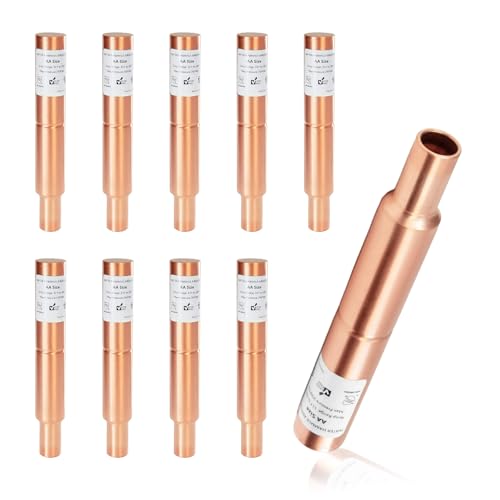
SUPERIOR QUALITY: HeSun water hammer arrestor is compliant with CUPC and NSF listed.Crafted from high-quality, lead-free brass.

1 inch MIP (Male Iron Pipe) threaded connection
Analyzing Fill Valve Functionality

Toilet noise often stems from issues originating in the fill valve, which plays a pivotal role in regulating water flow into the tank. Over time, fill valves can deteriorate or malfunction, resulting in weakened flushing and audible noise during operation. These noises may include rapid banging, often referred to as “water resonance” or “jack hammering,” caused by vibrations from a defective fill valve. Regular maintenance and inspection can considerably reduce undesirable sounds, ensuring that fill valves remain free from debris or blockages. In addition, replacing an old fill valve with a reliable option, such as the Fluidmaster PerforMAX® Fill Valve, can enhance performance and minimize filling noise. A properly functioning fill valve is essential for maintaining a quiet and effective toilet system.
Recommended Products

SLOAN FLUSHOMETERS: Sloan Flushometers are the go-to choice for architects, designers, engineers, contractors and building owners looking for quality, reliability and options in a wide array of commercial and industrial restroom applications. Our sustainable practices and products help you achieve a greater return on your most important investments: people, planet and profit.

Revolutionary Eco power hydropower self-generating system
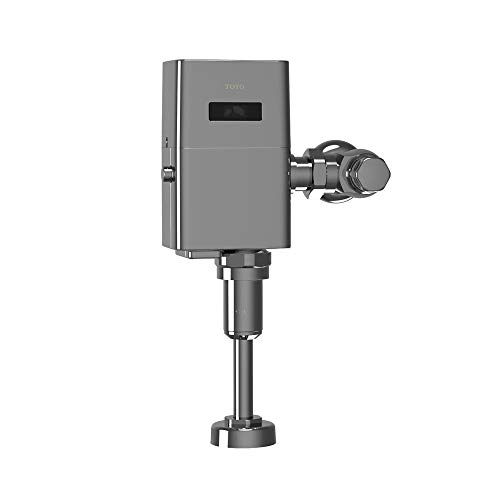
Electronic flushometer valve, neutral rough-in, complete with 3/4 inch angle stop and 3/4 vacuum breaker set
Impact of Water Pressure on Toilet Noise
While water pressure is often overlooked, its impact on toilet noise is significant, particularly when considering how excessive pressure can lead to disruptive sounds during flushing or refilling. Water pressure measurements exceeding 60 psi are generally deemed high, increasing the chances of experiencing noise issues like the notorious water hammer, which manifests as a banging sound. Utilizing a well-functioning pressure-reducing valve (PRV) is essential; it regulates water pressure to recommended levels of around 3 to 3.5 bar, minimizing auditory disturbances. Furthermore, worn or malfunctioning fill valves can further transmit vibrations through pipes, intensifying the noise. Consequently, regular inspections and maintenance of fill valves and PRVs are vital for mitigating the detrimental effects of water pressure on toilet noise. To ensure septic system safety, using compatible toilet bowl cleaner tablets that avoid harsh chemicals is important for protecting sensitive environments.
Role of Loose Pipes in Amplifying Sound
Loose pipes pose a notable challenge in reducing toilet noise, as they can vibrate against nearby surfaces when water flows through them or when valves activate, amplifying sound levels. Unsecured plumbing often results in “water hammer,” with sudden changes in water flow generating shock waves that echo through the plumbing system, creating loud banging sounds. To mitigate these effects, securing pipes with brackets or straps is vital, as this keeps them in place and minimizes movement. Additionally, insulating the pipes can meaningfully dampen vibrations and sound caused by flowing water. Identifying and addressing loose pipes is essential in maintaining a quieter plumbing environment, preventing the exacerbation of noise issues, including water hammer, that can arise from inadequate securement. During the day, using one way mirror films can enhance privacy while allowing natural light, but they may not be effective at night when interior lights are on.
Long-Term Solutions for Persistent Issues
Addressing long-term toilet noise issues often requires an extensive approach that goes beyond simple fixes, particularly because persistent sounds frequently indicate underlying complications such as a malfunctioning fill valve or high water pressure. Replacing the toilet valve with a high-quality option, like the Fluidmaster PerforMAX® Fill Valve, can mitigate issues such as weak flushes and hammers effectively. Installing water hammer arresters can absorb shock waves created when the water flow stops suddenly, reducing prevalent noise. Regular inspection and maintenance of toilet components, including flush and fill valves, are essential to prevent extended issues. Additionally, securing loose pipes in the plumbing system minimizes resonance and vibrations, further decreasing the likelihood of persistent noise during flushing activities. For those seeking a sleek and modern upgrade, opting for a new undermount bathroom sink made from durable materials like vitreous china, as outlined in the list of best sinks, can complement the overall aesthetic while ensuring longevity and functionality.
Recommended Products

Quiet action, Teck(R) exposed battery operated diaphragm flush valve

Quiet action, Teck(R) exposed battery operated diaphragm flush valve

For flushometer bowls with 1-1/2" (38 mm) exposed top spud
Installing Pressure-Reducing Valves
Installing a pressure-reducing valve (PRV) presents an effective solution for controlling high water pressure, which can often be linked to noisy toilet mechanisms, such as disruptive fill valves and the notorious water hammer effect. By reducing pressure levels above 60-65 psi to around 3 to 3.5 bar (approximately 43.5 to 50 psi), a pressure reducing valve optimizes water flow, enhancing the performance of plumbing fixtures. This device minimizes sudden pressure surges, thereby markedly decreasing unwanted noise. Regular maintenance is essential, as wear and failure can lead to potential plumbing issues and persistent noise. Energy-efficient options, like the ones seen in top bathroom fan heaters, can also contribute to reducing utility bills and enhancing comfort. Homeowners should consult a qualified plumber for assessment and installation to guarantee proper functionality and longevity of their plumbing system, ultimately yielding quieter toilets and greater comfort.
Recommended Products

Bronze body construction ensures durability and long life

【10 Inch Rough-in Smart Toilet】The unique design not only perfectly fits the sewage pipes of historical buildings, but also incorporates modern technology to give you the ultimate bathroom experience.
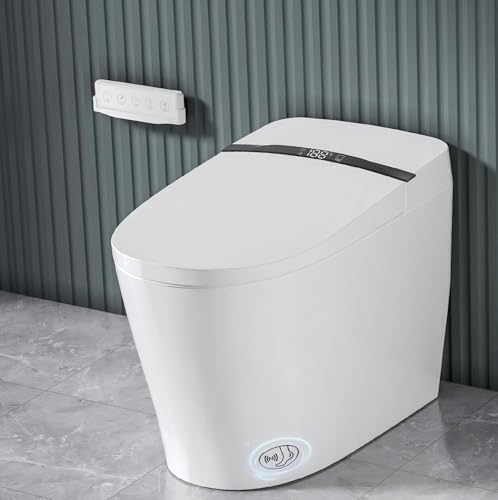
【Instant Warm Water + Multi Wash Modes】Instant warm water (on-demand heating) delivers comfortable cleansing without waiting. Rear wash, feminine wash, moving wash, soft wash (water and air mixture) and H/C massage with adjustable temperature, pressure and spray position for a personalized clean
The Benefits of Water Hammer Arresters
Water hammer arresters function as vital components within plumbing systems, designed specifically to absorb the shock waves produced during sudden valve closures, which frequently lead to loud banging noises experienced by homeowners. These devices contain air in a small chamber that serves as a cushion, effectively dampening pressure surges when water flow is abruptly stopped. Properly installed water hammer arresters not only reduce noise but also prevent pipe damage by mitigating excessive vibrations, therefore prolonging the lifespan of plumbing fixtures. They are particularly effective in high-pressure systems, where rapid fill valves, like those in toilets and washing machines, are common. Regular maintenance and inspection of water hammer arresters are essential for ensuring their continued effectiveness in minimizing water hammer and protecting plumbing systems. Durable materials like solid brass, commonly used in shower mixing valves, contribute to the longevity and reliability of plumbing components.
Recommended Products

RESILIENT OUTLET BOX:Featuring a plastic housing and built-in dual brass shutoff valves, this outlet box maintains reliable water control through regular home laundry cycles.

RESILIENT OUTLET BOX:Featuring a plastic housing and built-in dual brass shutoff valves, this outlet box maintains reliable water control through regular home laundry cycles.

Dual Connection Options: Equipped with 1/2 inch Crimp PEX inlet and 1/4 inch OD compression outlet connections, ensuring versatility for various plumbing setups.
Importance of Regular Toilet Maintenance
Regular toilet maintenance serves as an essential practice for homeowners, greatly enhancing both the functionality and longevity of plumbing systems. Routine inspections of fill valves and flush mechanisms, conducted every few months, can identify wear and tear that might lead to weak flushing or disruptive noises. Cleaning to eliminate mineral buildup promotes improved fill valve performance, additionally mitigating issues like water hammer. Moreover, replacing outdated or faulty fill valves with high-quality alternatives can substantially elevate toilet efficiency and minimize sound disturbances. Implementing scald protection in plumbing systems can also be a critical safety measure to prevent temperature surges that may affect toilet performance. Finally, routinely checking and adjusting water pressure helps prevent high-pressure complications, which are often the root of excessive noise. Embracing these maintenance habits guarantees a smoothly functioning toilet, reducing the need for costly repairs and annoying disruptions.
When to Call a Professional Plumber
How can homeowners determine when it’s time to seek the expertise of a professional plumber for persistent toilet noise issues? If a toilet tank emits persistent sounds like water hammer or problems related to the fill valve, consulting a professional is vital. Homeowners should engage a plumber, especially if DIY solutions, such as securing loose pipes or replacing fill valves, fail to resolve the issue. Additionally, when noise is experienced across multiple toilets or fixtures, it may signal more significant plumbing challenges requiring expert diagnosis. Professionals can assess high water pressure levels, implementing necessary adjustments to prevent ongoing noise disturbances. For intricate systems involving pressure reducing valves, hiring a plumber guarantees compliance with local codes and a properly functioning plumbing system.
Frequently Asked Questions
How to Fix Water Hammer Noise From Toilet?
To extinguish the thunderous roars of water hammer, one should prioritize toilet maintenance by inspecting the fill valve for debris, ensuring proper water pressure, and installing hammer arresters to silence disruptive vibrations throughout the plumbing system.
Why Does My Toilet Make a Jackhammer Sound?
The toilet makes a jackhammer sound due to rapid fluctuations in water pressure, causing toilet vibrations. Factors such as a malfunctioning fill valve and high water pressure exacerbate this noise, affecting the plumbing system’s stability.
Can a Faulty Toilet Fill Valve Cause a Water Hammer?
Yes, a faulty toilet fill valve can indeed cause water hammer. Regular valve maintenance is essential to prevent issues such as abrupt pressure fluctuations, which create vibrations and loud banging sounds in the plumbing system.
Why Does My Toilet Fill Valve Make Noise?
Toilet fill valves often make noise due to wear or mineral buildup affecting performance. Proper toilet maintenance, including regular inspections and timely valve replacements, can effectively reduce these noises, ensuring a quieter bathroom environment overall.


