As an Amazon Associate, we earn from qualifying purchases. Some links on this site are affiliate links at no extra cost to you. Our recommendations are based on thorough research and editorial judgment.


What a Mixing Valve Does and Why It Matters

A mixing valve is a critical plumbing device that combines hot and cold water to provide a consistent, safe output temperature, minimizing the risk of scalding. These valves typically include three inlet connections and can be motorized or thermostatic, with materials like solid brass ensuring durability and corrosion resistance. Regular maintenance, including temperature testing and component cleaning, is essential for peak performance. Understanding their function and applications reveals their significant role in ensuring safe water delivery in various settings.
Key Takeaways
- Mixing valves combine hot and cold water to provide a consistent and safe water temperature, reducing the risk of scalding injuries.
- They feature three inlet connections, ensuring effective temperature regulation and improved system efficiency.
- Regular maintenance is essential to prevent temperature fluctuations and enhance the longevity of mixing valves, typically required every 5-6 years.
- Mixing valves are crucial in various applications, such as residential plumbing, hospitals, and food processing, ensuring safe and compliant water delivery.
- Utilizing high-quality materials like brass, mixing valves offer durability and resistance to corrosion, enhancing their long-term performance and reliability.
What Is a Mixing Valve?
A mixing valve serves as an essential plumbing element designed to combine hot and cold water in order to regulate the output temperature, primarily aimed at enhancing safety by preventing scalding during everyday activities like showers and baths. Typically featuring three inlet connections—one for hot water, one for cold water, and one for the mixed outlet—mixing valves effectively control water temperature. Among these, the thermostatic mixing valve (TMV) automatically adjusts temperatures through thermal elements, ensuring a consistent output temperature. By maintaining this balance, mixing valves not only enhance user comfort but also improve system efficiency, protecting plumbing components from damage due to extreme temperatures. With a lifespan of approximately 5 to 6 years, regular maintenance is crucial for peak performance. Scald protection is a critical feature offered by thermostatic mixing valves, ensuring that water temperatures remain within safe limits to prevent burns.
Types of Mixing Valves

Mixing valves can be categorized primarily into two types: motorized mixing valves and thermostatic mixing valves, each serving distinct applications within plumbing systems. Motorized mixing valves rely on electric actuators to guarantee precise control over the ratio of hot and cold water flow, making them ideal for commercial or industrial settings that require automation. In contrast, thermostatic mixing valves, widely used in residential applications, automatically adjust temperature for enhanced safety, providing a consistent output temperature despite fluctuations in incoming water conditions. Both types feature three inlet connections: hot water, cold water supply, and a mixed fluid outlet, regulating temperature effectively. Regular maintenance can extend the life of shower valves and prevent leaks, with warranties indicating manufacturer confidence in product longevity. Regular maintenance, recommended every 5-6 years, is essential to prevent issues such as unsafe temperature levels and inefficiencies associated with mixing valves.
How Does a Mixing Valve Work?

Understanding the functionality of a mixing valve is essential for ensuring consistent and safe water temperatures in various plumbing applications. Mixing valves typically feature three inlets: one for hot water, another for cold water, and a third for mixed water output. They modulate the flow between these inlets using a control element, such as a thermostatic diaphragm, which adjusts the ratio of hot to cold water, maintaining a stable output temperature. This temperature control prevents sudden fluctuations, protecting users from overheating and minimizing the risk of scalding, particularly in showers and baths. Regular maintenance is vital, as failures in mixing valves can lead to unnoticed temperature increases, potentially creating safety hazards in residential or commercial settings. A 38C safety lock is an essential feature in many thermostatic shower valves, providing an additional layer of protection against scalding, especially for vulnerable users like children and the elderly.
Benefits of Using a Mixing Valve

Numerous benefits accompany the use of a mixing valve in both residential and commercial plumbing systems, primarily centered around safety and efficiency. Mixing valves blend hot and cold water, achieving consistent temperatures that greatly lower scalding risk in showers and baths. By maintaining stable temperature control, these valves enhance process efficiency in commercial settings, preventing temperature-induced equipment malfunctions and promoting longevity. Additionally, mixing valves contribute to energy efficiency, enabling water heaters to operate at elevated temperatures without increasing risks, which can reduce water and energy consumption by up to 50%. Regular use also helps decrease maintenance costs and extends the lifespan of plumbing systems, making them essential for compliance with safety standards in facilities like hospitals and schools. UV sanitization options in electric toothbrush holders offer a similar safety benefit by killing 99.99% of germs, enhancing hygiene in personal care routines.
Do I Need a Mixing Valve?
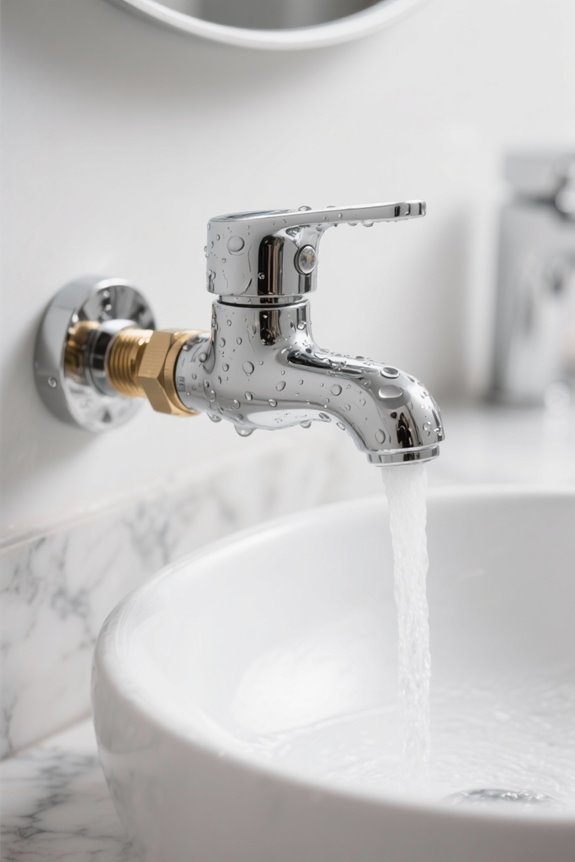
In both residential and commercial environments, a consistent hot water supply is essential for comfort and functionality, making the question of whether to install a mixing valve particularly significant. Mixing valves serve a vital role in maintaining stable temperatures and preventing temperature fluctuations, which can lead to equipment degradation or safety hazards. Their absence can increase the risk of scalding injuries, particularly in showers and baths, where sudden temperature changes occur. In residential settings, homeowners benefit from thermostatic mixing valves (TMVs) by ensuring reliable hot water delivery while maximizing comfort. Regulatory standards also often mandate the use of mixing valves to comply with plumbing codes, emphasizing their importance for safety and effective temperature control in various applications. Furthermore, efficient water management is crucial in maintaining desired water flow and pressure, ensuring that both temperature and comfort are achieved consistently.
Diverting Valve vs. Mixing Valve: Key Differences
While both diverting valves and mixing valves serve critical roles in fluid management systems, their functions and applications differ considerably. Mixing valves blend hot and cold fluids through two inlets, producing a uniform output temperature, which is essential for temperature control in plumbing systems, preventing scalding and ensuring user safety. In contrast, a diverting valve directs fluid flow from a single inlet to multiple outlets, primarily managing distribution in heating and cooling systems. These mechanical devices maintain efficiency by utilizing simple mechanical means rather than complex temperature regulation mechanisms. Additionally, the choice between a mixing valve and a diverting valve largely depends on the intended application: one prioritizes temperature stability while the other focuses on effective fluid routing.
What Is a Thermostatic Mixing Valve?
A thermostatic mixing valve (TMV) is an integral device in modern plumbing systems, expertly designed to blend hot and cold water, thereby maintaining a precise outlet temperature that enhances user safety and comfort. By automatically adjusting the mix based on incoming temperature fluctuations, TMVs guarantee consistent delivery of safe water temperatures, particularly critical in commercial and industrial settings such as healthcare facilities, youth centers, and public restrooms. Operating effectively at higher water heater settings of 130°F or above, TMVs mitigate the risk of scalding while simultaneously reducing bacterial growth, including Legionella, which is crucial for overall water quality. With a lifespan of 15 to 20 years and minimal maintenance, these valves offer both reliability and cost-effectiveness. Looking for multiple spray modes in shower panel systems can elevate the luxury shower experience at home, similar to the benefits provided by TMVs.
Importance of Temperature Control in Plumbing Systems
Temperature control in plumbing systems serves an indispensable function, primarily by ensuring user safety and system efficiency. The installation of a thermostatic mixing valve (TMV) helps regulate water temperature by combining hot and cold water inputs, delivering water at a consistent temperature. This is particularly essential in preventing scalding injuries, especially for vulnerable populations such as children and the elderly. Additionally, properly managed water pressure can minimize sudden temperature fluctuations that cause discomfort and increase water waste. Maintaining a stable temperature not only prevents thermal stress on plumbing components, reducing the risk of premature wear but also inhibits harmful bacterial growth, like Legionella, ensuring overall water safety and compliance with building codes. Wall-mounted towel racks offer a space-saving solution that can complement temperature control by maximizing efficiency in small bathroom spaces.
Applications of Mixing Valves in Various Industries
Mixing valves find diverse applications across various industries, demonstrating their essential role in maintaining ideal processes and user safety. In chemical processing, mixing valves are used to enhance reaction rates by providing precise control over temperature. In residential plumbing, they prevent scalding by blending hot and cold water to achieve safe shower and bath temperatures. Hospitals rely on thermostatic mixing valves (TMV) to deliver safe water temperatures, protecting vulnerable patients from burns. The food and beverage industry employs mixing valves to regulate cleaning water temperatures, ensuring compliance with stringent safety regulations. Additionally, in heating systems, these valves help maintain optimal water temperatures and flow rates, improving both comfort and efficiency, illustrating the versatility of mixing valves across various sectors. Many mixing valves feature durable materials like solid brass, which ensure longevity and resistance to corrosion, further enhancing their effectiveness in diverse applications.
Safety Considerations and Maintenance Tips for Mixing Valves
In various industries, safety protocols and regular maintenance practices are paramount for ensuring the effective operation of mixing valves, particularly those designed to control water temperature in residential and commercial settings. Mixing valves, especially thermostatic mixing valves (TMVs), help regulate hot water and cold water, greatly reducing the risk of scalding above 130°F. Regular maintenance is essential; it involves testing water temperature and cleaning components to prevent unsafe fluctuations. Inspections should occur every six months, with replacements recommended every five to six years. Users must remain vigilant for unexpected temperature changes, as unnoticed increases can lead to dangerous conditions. Compliance with local plumbing codes, which often mandate mixing valves, emphasizes the importance of diligent maintenance and safety standards in various facilities. Ensuring the durability and material quality of mixing valves is crucial for their long-term performance and safety.
Frequently Asked Questions
What Is the Purpose of a Mixing Valve?
The purpose of a mixing valve encompasses heat control, ensuring safety features, enhancing water efficiency, and maintaining temperature stability. Proper installation tips and regular maintenance advice are essential for peak performance and user protection in plumbing systems.
Do I Really Need a Mixing Valve?
The necessity of a mixing valve is paramount; its benefits include enhanced efficiency and safety. Proper installation, along with meticulous maintenance, guarantees superior performance across various valve types, securing a consistently comfortable water temperature for all users.
What Are the Symptoms of a Bad Mixing Valve?
Symptoms of failure include hot water fluctuations, strange noises, and decreased pressure. Signs of malfunction warrant troubleshooting tips, while maintenance recommendations highlight replacement indicators to guarantee consistent and safe water temperatures in household systems.
What Should My Mixing Valve Be Set At?
The mixing valve should ideally be set at 120°F, balancing safety and energy efficiency. Regular maintenance and adjustment frequency are essential to address safety concerns, ensuring compliance with installation standards and delivering peak performance over time.


