As an Amazon Associate, we earn from qualifying purchases. Some links on this site are affiliate links at no extra cost to you. Our recommendations are based on thorough research and editorial judgment.


Why Water Heaters Lose Temperature and How to Diagnose

Water heaters can lose temperature due to several key factors, including age-related mechanical issues, sediment buildup that insulates heating elements, and malfunctioning thermostats. Additionally, damaged dip tubes can mix cold and hot water, while faulty temperature pressure relief valves disrupt regulation. Diagnosing these problems involves checking heating element continuity with a multimeter, inspecting dip tubes for fractures, and regularly flushing the tank to remove sediment. Understanding these issues is vital for maintaining efficient water heating systems and further inspections may provide more insights.
Key Takeaways
- Aging water heaters often suffer from mechanical reliability issues, leading to temperature loss over time.
- Sediment buildup in tanks can insulate heating elements, reducing efficiency and causing inadequate hot water supply.
- Malfunctioning thermostats may result in fluctuating water temperatures and inconsistent heating performance.
- Broken dip tubes can mix cold water with hot, leading to a rapid decline in available hot water.
- Regular maintenance, including tank flushing and thermostat checks, is crucial for diagnosing and improving heating issues.
Common Causes of Temperature Loss in Water Heaters
When considering the common causes of temperature loss in water heaters, several factors can considerably influence their performance and efficiency. One essential aspect is the age of a water heater, as mechanical failures become more frequent over time. For example, sediment buildup can insulate heating elements, reducing their effectiveness, which leads to fluctuating water temperature. Additionally, a malfunctioning thermostat may cause water to be notably too hot or too cold, requiring repair or replacement for accurate control. The dip tube’s condition is also crucial; if it’s damaged, cold water could inadvertently mix with hot water, disrupting temperatures at the hot water faucet. Finally, a failing temperature pressure relief valve can impact regulation, further complicating energy costs and temperature stability. Modern tankless units utilize self-modulating technology for efficiency, which helps in reducing energy waste and maintaining consistent water temperatures.
Diagnosing Faulty Heating Elements

Diagnosing faulty heating elements in water heaters is an essential step for homeowners seeking to restore peak functionality and efficiency. In electric water heaters, the lower element often plays a critical role; if it fails, the upper element may only provide limited hot water. Homeowners can diagnose this issue by using a multimeter to test for continuity. A reading of infinite resistance indicates a burnt-out element requiring replacement. Sediment buildup can contribute to overheating, leading to premature failure of heating elements. Regular maintenance checks, including annual flushing of the tank, can help prevent this problem by removing sediment. By identifying unusual sounds or excessive energy consumption, homeowners can effectively determine when to conduct repairs for ideal hot water delivery. Additionally, considering the installation of thermostatic mixing valves, which provide adjustable temperature settings, can enhance safety and efficiency by maintaining consistent water temperatures.
Recommended Products

Endless Hot Water: Our tankless hot water heaters let you enjoy unlimited hot water flow throughout the house with a compact and durable design that fits your home and lifestyle
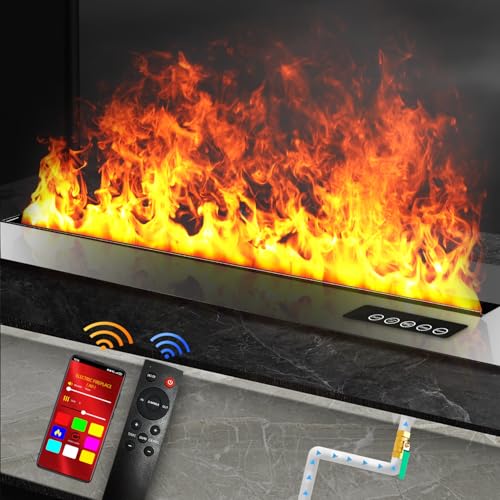
ADVANCED 3D MIST FLAME TECHNOLOGY WITH ZERO HEAT OUTPUT: The atomizer of water vapor fireplace has undergone 30000 hours of testing. The flame effect achieves remarkable realism through advanced 3D mist technology. The movement is dynamically natural, with flickering, swaying, merging, and dissipating flames that mimic the genuine randomness of a real fire. Exquisite details are featured, including glowing embers at the base, subtly rising sparks, and semi-transparent flame tips, all enhancing the immersive experience.

Provides ample hot water for households with 3-5 people or homes with 3+ bathrooms
The Role of Thermostats in Water Temperature Regulation

Thermostats in water heaters play a crucial role in maintaining the desired temperature of the water, as they regulate the power supply to the heating elements based on both the pre-set temperature and the actual temperature readings obtained from sensors within the unit. Electric water heaters typically feature an upper thermostat and a lower thermostat, allowing heat to distribute efficiently for ideal hot water delivery. Malfunctioning thermostats can lead to temperature fluctuations, resulting in either insufficient hot water or inconsistent heating. The high-limit switch acts as a safety measure, preventing overheating; if this switch frequently resets, it may indicate a faulty thermostat in need of replacement. Regular maintenance of these thermostats guarantees effective water heating performance and helps mitigate future issues. Solar water heaters, such as the YALICE Solar Power Water Heater, also incorporate advanced thermostatic controls to optimize energy efficiency and performance.
Recommended Products

NEW Cabinet Design

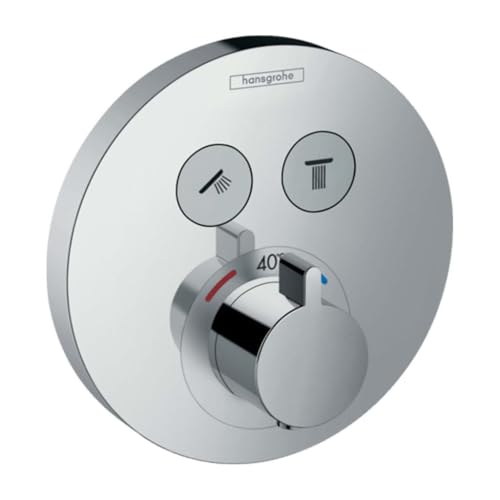
Switch the outlets on and off using the convenient Select push button
Understanding Dip Tube Issues

Efficiency in water heating systems heavily relies on the functionality of components like the dip tube, which serves the essential purpose of guiding cold water to the bottom of the tank for effective heating. A broken dip tube can lead to serious water heater problems, as it allows cold water to mix with hot water at the top of the tank, causing inadequate hot water supply and reducing heating efficiency. Regular inspections of the cold water inlet, including verifying the dip tube’s length, are essential. Broken dip tubes can result from chemical erosion due to mineral content in hard water. Licensed plumbers should handle replacements to guarantee proper installation and functionality, safeguarding ideal water temperature and system performance. Additionally, using vitreous china in bathroom fixtures like sinks provides lasting durability, which can be a consideration when evaluating the material quality of other plumbing components.
Recommended Products

Provides secure connections to components and lines

Bullet1

Power vent 2 only replacement part
The Impact of Sediment Build-Up on Heating Efficiency

Although homeowners may not immediately recognize the effects of sediment build-up within water heaters, this accumulation, primarily consisting of minerals such as calcium and magnesium from hard water sources, can markedly impair heating efficiency. Sediment acts as an insulating layer around the heating element, subsequently increasing heating times and potentially leading to fluctuating water temperatures. Regular accumulation can necessitate more energy consumption, which may decrease the overall lifespan of the appliance. To counteract sediment build-up, it is recommended to flush the water heater annually, which helps maintain peak heating efficiency. Additionally, installing a water softener can minimize mineral content in the water supply, thereby reducing sediment accumulation and enhancing the overall performance of the water heater. In RV tankless water heaters, advanced temperature controls ensure comfort and safety, preventing issues like fluctuating temperatures due to sediment build-up.
Recommended Products
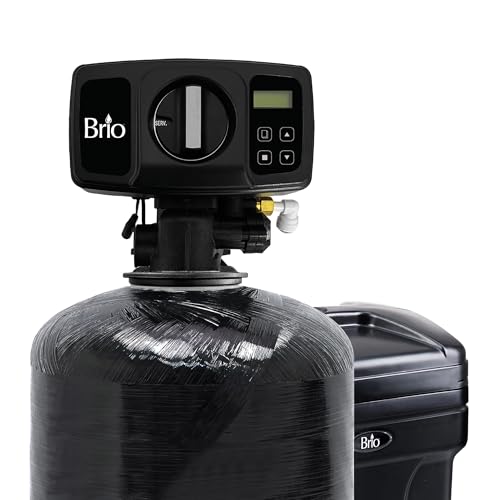
PROTECTS APPLIANCES & MORE: Offers industry-leading performance, producing luxuriously softer water for homes. Experience naturally moisturized skin and smoother hair; get brighter laundry and a richer lather using less soap; and enjoy sparkling glasses and dishes. Also, ensures long-lasting life for appliances, plumbing, and fixtures, protecting them from destructive scale buildup and corrosion, and saving you from expensive repairs and replacements

APPLICATION: Calci-Free is an efficient chemical descaler specifically formulated for tankless water heaters found in residential and commercial applications

Includes 4 quarts of eco-friendly descaler (good for 4 uses), 1/6 HP utility pump, premium hoses, pump grate, 5-gallon screw-top lid bucket, and instructions.
Maintenance Tips to Prevent Temperature Loss
To guarantee a consistent supply of hot water and prevent temperature loss, homeowners must engage in proactive maintenance practices that address both the water heater itself and its associated plumbing. Regularly flushing the water heater tank every three years helps remove sediment buildup, which can insulate heating elements, reducing efficiency. Insulating pipes connected to the water heater minimizes heat loss, improving overall availability. Lowering the thermostat setting to 120 degrees Fahrenheit enhances energy efficiency and helps prevent overheating. Self-modulating technology optimizes energy use and reduces standby energy losses, contributing to overall efficiency in modern water heaters. Additionally, promptly replacing worn or corroded dip tubes prevents cold water mixing with hot water, ensuring adequate heating. Annual professional maintenance checks are essential for inspecting heating elements and thermostats, allowing for early detection of potential issues and promoting peak performance.
Recommended Products

★Safe and durable material: Made of high-quality material, waterproof, fireproof and scratch-resistant. This insulating foam has a self-adhesive backing surface that is easy to cut, peel and apply. Improve the driving experience by reducing engine noise, tire noise, road noise, wind noise and more.

Designed to insulate copper and iron pipes

8 lb Density is a better insulator. With more mass packed into the same space, it's more effective at blocking soundwaves (higher STC rating) and resisting heat transfer (higher R-value) than products such as Rockboard 60 which has a density of 6 lb. SL960, 8 lb Density is stiffer, more rigid, and more durable. It holds its shape better, resists compression, and can handle more vibration and abuse.
Frequently Asked Questions
How Do You Diagnose a Water Heater Problem?
To diagnose water heater issues, check the thermostat, inspect wiring, flush the tank, examine the anode, test heating elements, check water pressure, assess the pilot light, listen for sounds, and measure temperature effectively.
What Is the Most Common Part Failure That Causes No Heat?
Heating element failure is the most common reason for no heat in water heaters, often linked to thermostat issues, sediment buildup, wiring problems, broken dip tubes, faulty gas valves, insulation loss, age factors, or anode rod depletion.
Why Is My Hot Water Only Getting Lukewarm?
Lukewarm water from a water heater may result from faulty thermostatic control, sediment buildup insulating the heating element, inadequate water pressure, or plumbing issues causing temperature fluctuation, preventing water from reaching desired hot temperatures effectively.
How to Tell if a Dip Tube Is Broken?
To determine if a dip tube is broken, check for hot water temperature loss, inspect fittings, and assess water flow. Common symptoms include inadequate hot water and frequent shortages, necessitating troubleshooting and potential replacement options for peak heater efficiency.


