As an Amazon Associate, we earn from qualifying purchases. Some links on this site are affiliate links at no extra cost to you. Our recommendations are based on thorough research and editorial judgment.


Quieting Noisy Drains: Venting and Flow Considerations

Plumbing vents are essential for reducing drain noise by allowing air to balance pressure in drainage pipes, thereby preventing issues like gurgling sounds. Properly installed vent pipes should extend at least six inches above the roofline, ensuring effective function. Gurgling indicates potential blockages in the vent system, while slow drainage may suggest impairments needing immediate attention. Regular maintenance, including drain cleaning and inspections, can enhance performance and comfort. Exploring further reveals additional strategies for mitigating noisy drains.
Key Takeaways
- Ensure vent pipes are clear and extend at least six inches above the roofline to minimize noise and improve drainage efficiency.
- Regularly inspect and clean drains to prevent buildup and maintain optimal airflow in the plumbing system.
- Monitor for gurgling or bubbling noises, which may indicate blocked vent pipes requiring immediate attention.
- Avoid flushing non-degradable items to prevent clogs that can lead to noisy drains and slow drainage.
- Schedule biannual plumbing inspections to identify potential issues early and address ventilation and flow problems.
Understanding the Role of Plumbing Vents in Noise Reduction
Plumbing vents play an essential role in noise reduction within a household’s drainage system, serving as the necessary pathways for air to enter and balance the pressure in the pipes. By introducing fresh air, plumbing vents maintain proper airflow, preventing gurgling noises and other disturbances associated with trapped air. When these vents function correctly, they allow wastewater gases to escape, thereby preventing sewer gas from infiltrating the home, which enhances overall comfort. However, blocked vent pipes can lead to increased noise levels during drainage, underscoring the importance of clear vent systems. Adequate airflow is achieved when vent pipes extend at least six inches above the roofline, ensuring ideal noise reduction and supporting the plumbing system’s proper functioning. The effectiveness of plumbing systems can also be observed in household items such as waterproof shower curtains, which serve both functional and aesthetic purposes in maintaining a dry and stylish bathroom environment.
Common Causes of Noisy Drains

Inevitably, homeowners encounter noisy drains that can disrupt the tranquility of their living spaces, with gurgling, banging, and bubbling sounds often serving as clear indicators of underlying issues. The gurgling sound in drains typically indicates trapped air due to clogs or venting system problems, often caused by accumulated debris like hair and grease. Banging noises, referred to as water hammer, occur due to sudden changes in water pressure, creating shock waves within plumbing pipes. Bubbling noises result from air pockets pushing through standing water, indicating potential blockages. Slow drainage suggests emerging plumbing issues that may necessitate a professional evaluation. If multiple drains produce strange sounds, this could signify a main sewer line problem requiring prompt attention to prevent costly repairs. One way to prevent such disruptions is by ensuring that toilet wax rings are properly installed and maintained, as they provide a robust barrier against leaks and odors, which can contribute to plumbing issues.
Recommended Products

Ideal for septic tank vacuum truck operators, rooftops, and other institutional, commercial or residential cleaning

Large & Convenient: This greenhouse for outdoors has 5.6ft high walls and a 1008 Cu.Ft. spacious interior. Feature a low threshold and double hinged doors for easy access.

RELIABLE POWER: Drain cleaning machine is small enough to fit into cramped spaces, yet powerful enough to clear even the toughest of blockages for institutional, commercial, or residential cleaning in 1-1/4" to 4" drain lines.
Identifying Issues With Vent Pipes

Noisy drains can often point to underlying issues with vent pipes, which play a vital role in maintaining proper airflow throughout a plumbing system. Gurgling sounds typically indicate a blockage in the vent pipe, leading to trapped air and subsequent poor drainage. Regular inspection of plumbing vent pipes, especially in attics, can reveal points where framing contacts the pipes, potentially exacerbating noise. If water struggles to drain, accompanied by unpleasant odors, a clogged vent is likely obstructing airflow and causing malfunctions. By listening for amplifying sounds when fixtures are flushed, homeowners can detect potential blockages. Regular maintenance prevents sediment buildup, ultimately improving drainage efficiency and reducing noise levels within the plumbing system, ensuring a smoother and quieter operation. Additionally, adequate space around the sink is crucial for ease of use, as it ensures proper functionality and accessibility in the bathroom layout.
Recommended Products

PRODUCTION: Produces up to 64 lb. of gourmet ice in 24 hours and stores up to 26 lb. of ice.

Urine-Separating Compost System: Waterless composting toilet with urine diverting technology for off-grid use without additives or mixing required
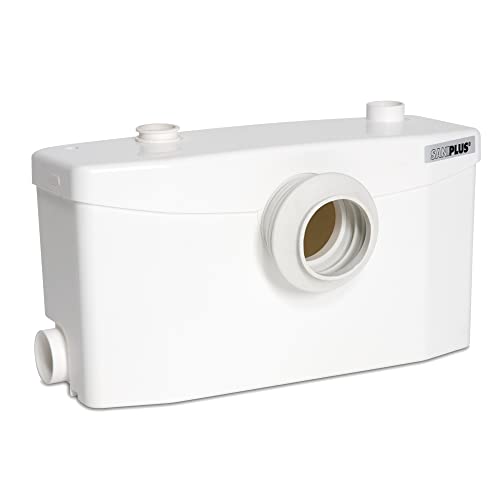
DUAL-PURPOSE MACERATING PUMP: Experience how the Saniplus effortlessly transforms full bathroom setups, efficiently handling both black and gray water systems. It supports installations up to 15 feet vertically or 150 feet horizontally.
Tips for Effective Drain Maintenance

While regular drain maintenance may seem like a mundane task, it greatly contributes to the efficiency and longevity of a home’s plumbing system. Homeowners should periodically clean drains with a mixture of baking soda and vinegar, followed by hot water, to prevent clogged drains and reduce gurgling noises caused by trapped air. It is vital to avoid flushing non-degradable items, such as paper products and food scraps, down drains to maintain proper water flow. Inspecting the P-trap under sinks guarantees an adequate water seal, while biannual plumbing inspections can identify corrosion and leaks. Additionally, keeping vent pipes clear is essential, as any blockage may create a vacuum effect, hindering drainage and affecting plumbing systems health. Using eco-friendly options like Rock Doctor and Simple Green in cleaning routines can promote health and safety in the home.
Recommended Products

✅ DURABLE MATERIAL: Patented SILGRANIT material is heat, scratch, stain, chip and impact resistant
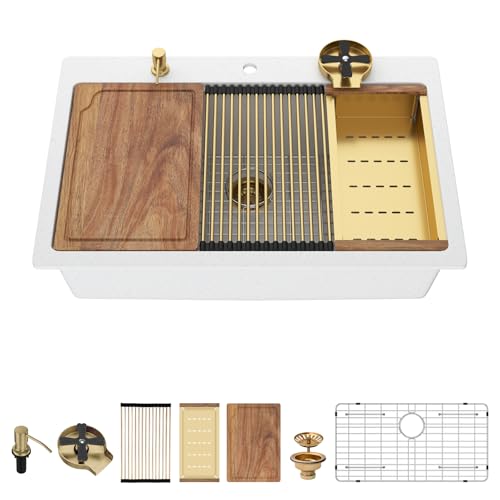
Upgrade Kitchen with Premium Granite Sink - Crafted from 80% natural granite composite and resin, this speckled white quartz sink delivers a luxurious look and cool touch of real stone without the high maintenance. Its non-porous, stain-proof surface repels kitchen messes—coffee spills, oil stains, food dyes wipe away effortlessly with just a damp cloth. Durable against heat and scratches, built to stay pristine for years, making it the perfect centerpiece for a kitchen remodel

Made in U.S.A with high quality material
When to Seek Professional Help for Noisy Drains

How can homeowners discern when a seemingly minor issue, like a gurgling drain, signals a need for professional plumbing assistance? Persistent gurgling often indicates underlying plumbing issues, particularly when simple DIY fixes fail. Multiple drains exhibiting problems may point to a main sewer line issue, requiring advanced tools for effective diagnosis. Additionally, a consistent pattern of slow drainage across fixtures might suggest systemic clogs needing expert evaluation. If homeowners notice unpleasant odors emanating from drains, it could mean sewer gases are trapped due to vent blockages, indicating that professional help is necessary for safety and resolution. Finally, difficulty accessing specific plumbing components to inspect or repair can cause damage to the plumbing system, further justifying the need for expert assistance. Regular maintenance, such as using septic-safe toilet tank cleaners, can help prevent plumbing issues by keeping your system clean and free from potential blockages.
Recommended Products

POWERFUL FLEXMITTER SONDE: Equipped with a high-performance Flexmitter sonde, this camera reel offers excellent range and maneuverability while maintaining the camera’s ability to navigate turns

POWERFUL FLEXMITTER SONDE: Equipped with a high-performance Flexmitter sonde, this camera reel offers excellent range and maneuverability while maintaining the camera’s ability to navigate turns

High resolution camera provides the industry's clearest image inside of drain lines 34 mm self-leveling HDR camera head with Sapphire Crystal lens Pitch sensing feature for easier diagnosis and more effective reporting 12 mm Push Cable Diameter provides stiffness to push maximum distance Telescoping handle and wide wheelbase provide maximum stability
Frequently Asked Questions
How to Quiet a Noisy Drain Pipe?
To quiet a noisy drain pipe, adjust the drain slope, use flexible connectors, and apply acoustic foam for sound insulation. Proper plumbing maintenance, addressing air admittance, and managing flow rate help reduce pipe vibration and water hammer noises.
How to Make Water Flow Quieter?
Studies reveal that 30% of homeowners experience noisy plumbing. Employing water flow techniques, sound dampening methods, and flexible piping solutions can enhance quietness. Additionally, proper acoustic materials selection and trap installation advice reduce noise effectively in renovation strategies.
How to Stop Drain From Making Noise?
To stop drain noise, one can apply soundproofing techniques, adjust vent placement, guarantee proper pipe fittings, and maintain water pressure. Home remedies include acoustic insulation or using insulation pads to minimize disturbances from plumbing issues.
What’s the Best Pipe Material for Silence?
For ideal silence, PVC pipes and ABS material are preferred due to their sound dampening qualities. Flexible hoses and pipe insulation further enhance noise reduction, while copper tubing, cast iron, and galvanized steel typically amplify sounds.


